Stop the cash Isa raid before it’s too late! Why the Chancellor must halt Reeves’s misguided move that will harm savers and investors
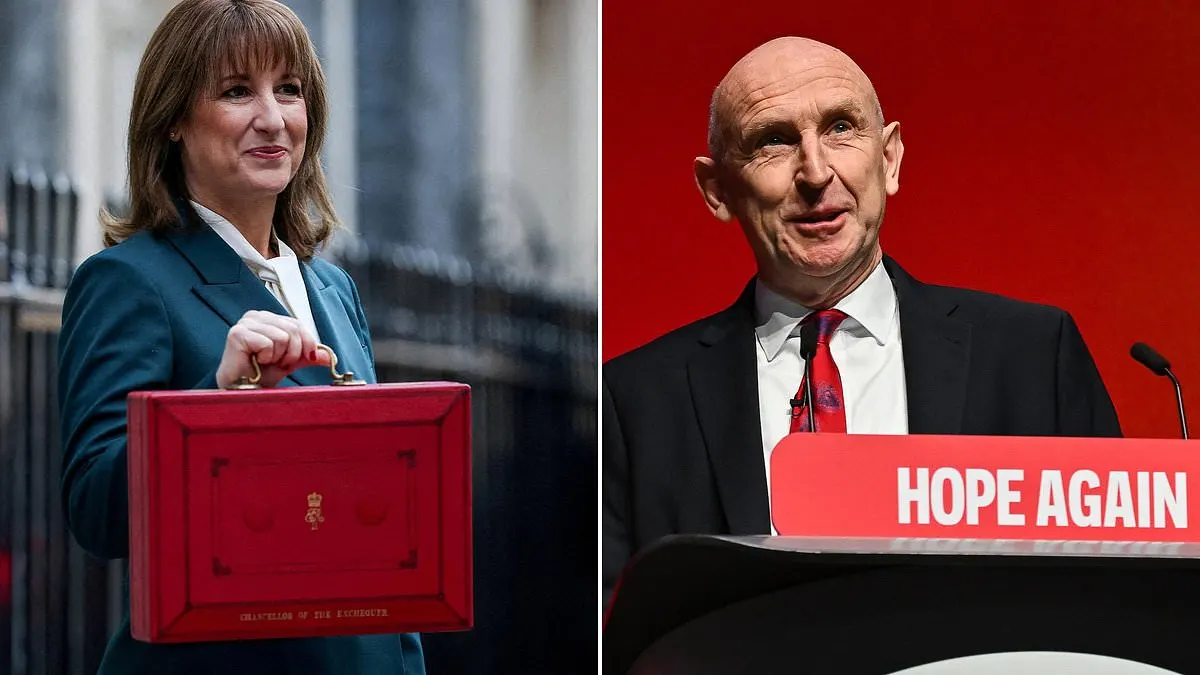
The article argues that Chancellor John Healey should scrap plans to limit the amount under-65s can put into cash ISAs, saying the change could make saving and investing more confusing and costly. It cites research suggesting the policy may discourage people from investing, which would run counter to its stated aim.
Under the proposed rules, due to take effect next April, under-65s would be able to place only £12,000 of their annual £20,000 ISA allowance in cash ISAs and could not transfer existing stocks and shares ISA holdings into cash ISAs. The article says cash held in a stocks and shares ISA beyond the limit would face a 22 per cent tax charge collected by providers, and that more than 22 million UK adults hold an ISA. It presents the changes as a threat to the flexibility and simplicity of a popular tax-free savings framework.
- The article urges Healey to abandon the proposed cash ISA limit.
- Under-65s would face a £12,000 cash ISA cap from next April.
- It says the rules could add complexity and deter investment.
New here? Start with this
An individual savings account (ISA) lets people save or invest without paying tax on returns, within an annual allowance. Cash ISAs hold savings as cash, while stocks and shares ISAs hold investments; savers can generally choose how to divide their allowance between them.
The proposed limits would affect how much under-65s could put into cash ISAs and whether they could move investments into cash ISAs. The debate matters because millions of adults use ISAs, and changes to the rules could affect how they manage savings and investments.
Both sides, in good faith
The strongest fair case each way — we don't pick a winner.
The case for
Limiting cash ISA contributions could make saving less flexible and force people to choose between cash and investments before they know which best suits their needs. If the change adds complexity or puts cautious savers off using ISAs altogether, it may undermine the goal of encouraging investment and impose costs on people who value a simple, tax-free way to save.
The case against
A cap on cash ISA contributions could encourage some savers to consider stocks and shares ISAs, helping channel more household savings into investment. The government could reasonably judge that directing more of the existing ISA allowance towards investment better serves its economic aims, while retaining a substantial cash allowance for people who need accessible, lower-risk savings.