Streaming Residuals Drop for First Time as Secondary Market Sputters, Per WGA Report
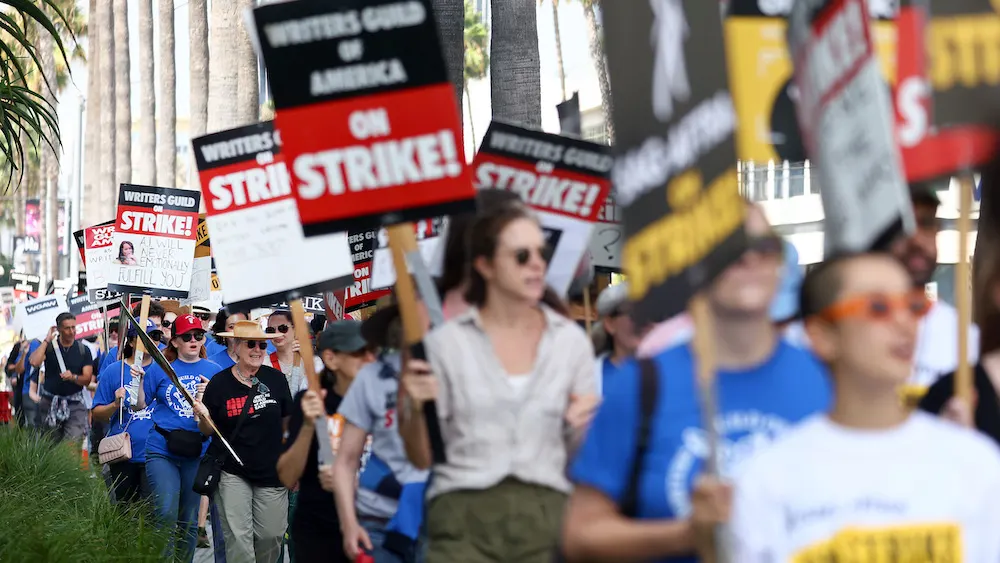
Screenwriters' streaming residuals fell in 2025 for the first time ever, according to a Writers Guild of America (WGA) report, as the once-booming secondary market for licensing older films and shows to streaming platforms cools. The decline matters because streaming residuals had previously been the industry's growth engine, offsetting a longer-term slide in payments from network reruns, cable, foreign TV and home video, and were a central grievance in the 2023 writers' strike.
Writers earned $330.7 million in streaming residuals in 2025, down from $346.6 million in 2024. Total residuals across all categories have fallen 18% since peaking in 2022 (adjusted for inflation), to $535.5 million last year, though residuals for shows made specifically for streaming rose to $77.8 million, growing at a slower post-strike rate than before. The WGA also reported that writers' upfront earnings have dropped 24.5% since 2022 and the number of writers earning income has fallen 27%, which the union attributes to studios pulling back scripted programming after years of overspending, even as industry profits and streaming revenues have begun recovering.
- WGA reports first-ever fall in streaming residuals, to $330.7m in 2025
- Total residuals down 18% since 2022 peak amid industry pullback
- Writer earnings and employment numbers have also sharply declined
New here? Start with this
Film and television writers can receive residuals when their work is reused or shown through outlets such as television, home video and streaming services. These payments are separate from the money writers earn when they first write a project, and they can provide income as a programme continues to reach audiences.
As streaming grew, residuals from licensing older films and programmes became an increasingly important source of writers’ income, while payments from traditional television and home video declined. The issue was a major concern in the 2023 writers’ strike, when the Writers Guild of America negotiated with studios over pay and working conditions.
Residuals are one part of a wider change in the industry: writers’ upfront earnings and the number of writers earning income have also fallen from recent highs. The figures matter to writers and studios as they adjust how much scripted television and film is made and how older programmes are licensed.
Both sides, in good faith
The strongest fair case each way — we don't pick a winner.
The case for
This decline vindicates the 2023 strike's concerns about writers' precarity despite streaming's supposed boom. The data shows that whilst industry profits and streaming revenues have recovered, writers' compensation and employment have plummeted—a 27% drop in the number of writers working is devastating. Studios overexpanded streaming unsustainably, then cut back dramatically whilst retaining the profits, demonstrating that writers need ironclad contractual protections including minimum staffing levels and AI safeguards to prevent similar collapses.
The case against
This represents a natural market correction after an unsustainable boom, not evidence of studios acting in bad faith. The secondary licensing market inevitably cooled as supply saturated; studios cutting back on scripted programming reflects rational cost management after years of unprofitable overinvestment, not greed. The 2023 strike won writers genuine gains, but increased production costs necessarily mean studios can afford fewer writers and shows. Employment decline is regrettable but reflects the industry rightsizing to sustainable levels rather than exploitation.