Students attack Tirana government buildings over university conditions and jobs
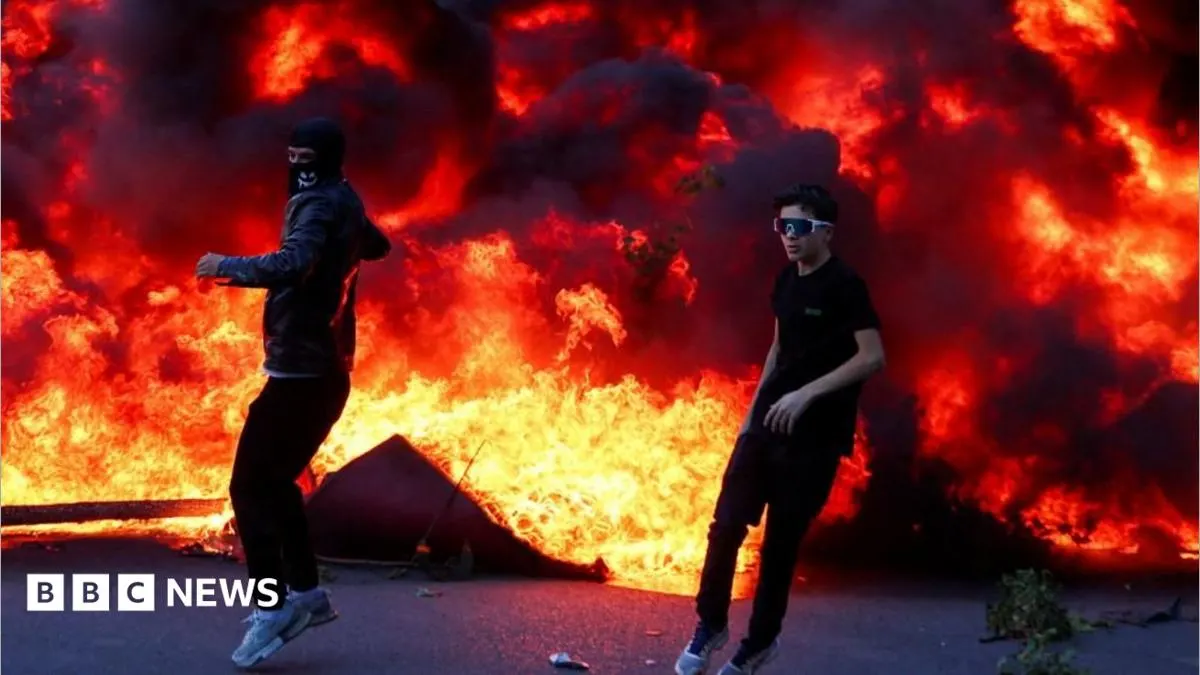
Thousands of students protested in Tirana for a second day, attacking government buildings as they demanded better university conditions and job prospects. The unrest reflects broader anger over alleged corruption and lack of transparency in Prime Minister Edi Rama’s government.
Part of the education ministry building was set on fire, and the prime minister’s office, finance and interior ministries, and nearby businesses were attacked. Riot police used tear gas and water cannons; state media reported 16 arrests linked to violence at Tuesday’s protest. The student demonstrations have joined months of protests known as the Flamingo Revolution, sparked in part by a luxury tourism project linked to Jared Kushner.
- Students in Tirana attacked government buildings during a second day of protests.
- Sixteen people were arrested after Tuesday’s protest.
- The demonstrations are part of wider calls for Rama’s resignation.
New here? Start with this
Tirana is Albania’s capital, and Edi Rama is the country’s prime minister. Universities and public services are overseen by government ministries, while students have raised concerns about conditions on campus and their chances of finding work.
The student protests have become part of wider demonstrations known as the Flamingo Revolution, which began amid allegations of corruption and a lack of transparency. Those protests were partly prompted by a luxury tourism project linked to Jared Kushner, a US businessman and former adviser to Donald Trump.
The unrest brings together concerns about education, employment and trust in government. It also puts pressure on the authorities to respond to protesters while maintaining public order.
Both sides, in good faith
The strongest fair case each way — we don't pick a winner.
The case for
Students can argue that poor university conditions and limited job prospects threaten young people’s ability to build a future, while alleged corruption and lack of transparency erode trust in government. After months of protest, direct action may be seen as a way to make urgent grievances impossible to ignore and press for accountability.
The case against
Critics can accept the students’ concerns while arguing that setting fires and attacking public buildings, businesses and ministries endangers people and undermines lawful protest. They may contend that violence alienates potential supporters and distracts from demands for better universities, jobs and transparent government.
Government Middle East Politics World
Read the full article at the source →
Originally published by BBC World as “Student protesters attack government buildings in Tirana”.