Stung with a parking fine for an 18-second airport stop to tackle a wasp
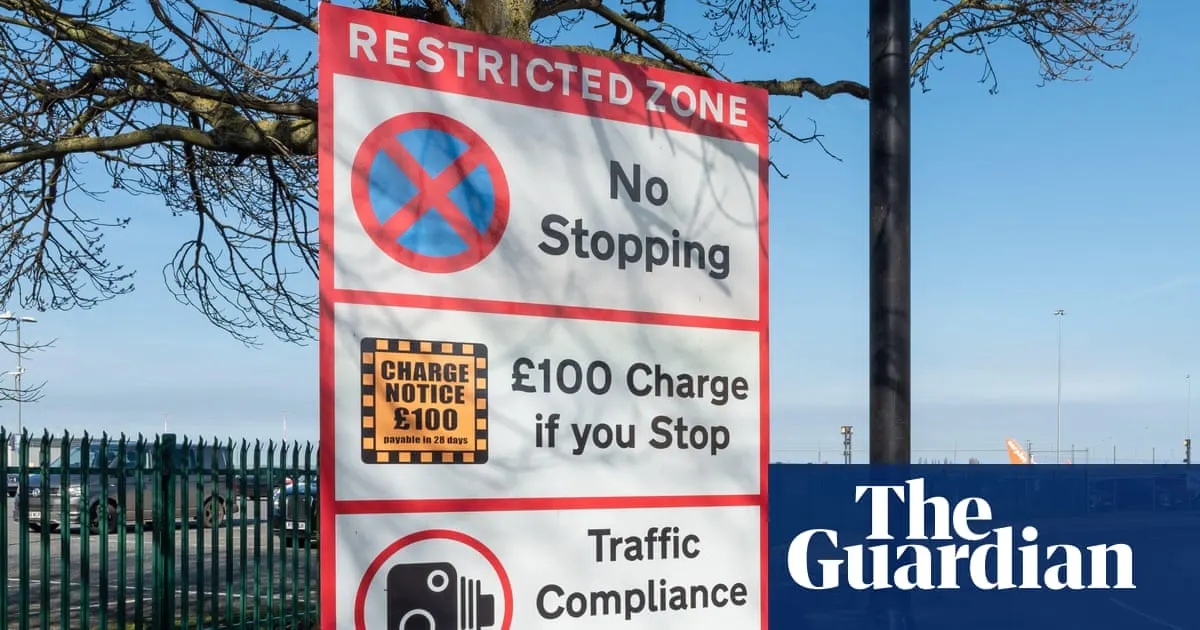
Two drivers received £100 parking charge notices after stopping for 18 seconds in airport red zones: one to deal with a wasp at Leeds Bradford, the other to read a sign at Bristol. Both airports later arranged refunds after reviewing the circumstances, highlighting how strictly airport stopping rules can be enforced even when a driver has a practical reason to pause.
The article says airport roads are governed by bylaws and count as statutory land, so the Protection of Freedoms Act 2012 does not make the registered keeper liable for a private parking charge. If the keeper does not identify the driver, the operator may be unable to pursue the charge. Drivers are advised to tell the operator they are not liable as keeper and are not required to name who was driving.
In short
- Two 18-second airport stops led to £100 notices.
- Both airports arranged refunds after reviewing the cases.
- Registered keepers may not be liable on airport land.
Steelman: both sides, in good faith
The strongest fair case each way — we don't pick a winner.
The case for
Strict airport stopping rules can help keep busy roads clear, reduce hazards and ensure drivers do not stop in places where even a brief pause could obstruct traffic. Consistent enforcement may also make the rules easier to understand and apply, while the airports’ refunds show that individual circumstances can be reviewed.
The case against
A charge of £100 for an 18-second stop may seem disproportionate when a driver paused for a practical reason, particularly if the stop caused no apparent obstruction. Critics may argue that rigid enforcement risks penalising reasonable actions and that airports should make signs and appeal processes clear, with discretion applied before drivers face substantial charges.
Explained simply
Airport drop-off roads often have marked red routes where stopping is restricted, and cameras can record vehicles that pause there. Airports may issue parking charge notices when a vehicle stops, even briefly, though the circumstances can be reviewed.
The rules can differ from those for ordinary private car parks because airport roads may be governed by local bylaws. This affects who can be held responsible for a charge: the registered keeper of a vehicle is not automatically liable under the usual private parking rules, and responsibility may depend on identifying the driver.
These rules matter to drivers using airport roads, where signs and restrictions can be easy to miss. They also shape how airports and parking operators handle appeals and decide whether to uphold or cancel a charge.