Technology news and discussion on TalkFuse.
US justices leave block on cancellations of California researchers’ grants
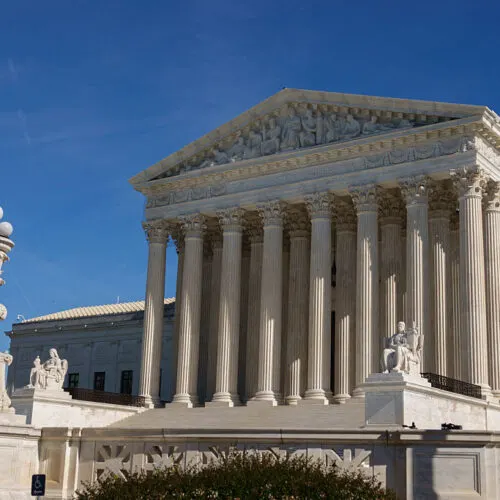
The US Supreme Court declined to hear the government’s appeal of an injunction blocking the cancellation of grants to seven University of California researchers. A lower court found the cancellations violated the First Amendment by targeting researchers’ perceived viewpoints, a ruling that could influence other challenges to the government’s efforts to restrict DEI-related work.
The grants had been revoked under a Trump executive order opposing DEI, with agencies sometimes identifying projects through keyword searches and without defining DEI. The case was narrowed to grants involving the Environmental Protection Agency, National Science Foundation and National Endowment for the Humanities; the appeals court said the government could end funding programmes but not cancel individual grants because of their viewpoints. The Supreme Court gave no explanation for declining the appeal and no justices dissented.
In short
- The Supreme Court left an injunction protecting seven researchers’ grants in place.
- An appeals court found the cancellations violated First Amendment protections.
- The decision may shape other legal challenges to anti-DEI funding actions.
Steelman: both sides, in good faith
The strongest fair case each way — we don't pick a winner.
The case for
The researchers’ strongest case is that the First Amendment bars the government from withdrawing grants because officials disapprove of the ideas or viewpoints expressed in the work. Vague DEI definitions and keyword searches could sweep up research without a clear, consistent basis, while selective cancellations may chill academic inquiry and public debate. The injunction preserves that protection while leaving the government free to change or end funding programmes generally.
The case against
The government’s strongest case is that grant funding is a policy choice, and elected officials may redirect public money away from priorities they oppose, including DEI-related work. Agencies need room to set programme goals and decide which projects merit support; courts should not turn every funding decision into a constitutional dispute over viewpoint. On this view, the injunction risks limiting executive control over spending and policy, even where the government is not required to fund the research.
Read the full article at the source →
Originally published by Ars Technica as “Supreme Court keeps injunction against DEI grant defunding in place”.