Supreme Court tariff, birthright citizenship decisions cost US ‘TRILLIONS,’ Trump says
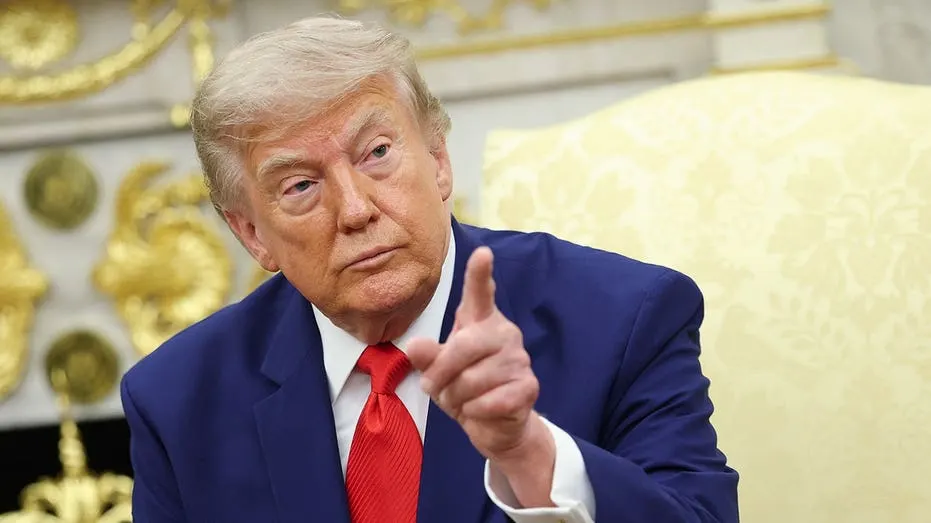
President Donald Trump said Supreme Court decisions on tariffs and birthright citizenship had cost the United States “trillions” of dollars. His comments underscore his continued frustration with judicial limits on parts of his economic and immigration agenda, while also suggesting he believes Congress could act on birthright citizenship.
Fox News reported that the court upheld birthright citizenship by a 5–4 vote. A constitutional lawyer cited in the article said the 14th Amendment generally guarantees citizenship to people born in the United States, including children of undocumented parents, although stricter border enforcement could reduce so-called “birthright tourism”.
In short
- Trump blamed Supreme Court rulings for costs he put at trillions.
- The court upheld birthright citizenship in a 5–4 decision.
- Legal experts cited the 14th Amendment’s citizenship guarantee.
Steelman: both sides, in good faith
The strongest fair case each way — we don't pick a winner.
The case for
Supporters of Trump’s criticism could argue that court rulings limiting tariffs and executive action on birthright citizenship constrain policies he regards as tools to protect domestic industries and tighten immigration rules. They may also see the decisions as carrying substantial economic or political costs, and believe Congress should clarify the law where it has authority to do so.
The case against
Critics could argue that courts must enforce constitutional limits even when rulings frustrate a president’s agenda, and that the 14th Amendment’s citizenship guarantee cannot be set aside by executive action. They may also question the claim that the decisions cost the country trillions, since the report offers no supporting calculation, and see judicial review as a safeguard rather than an economic loss.
Explained simply
Birthright citizenship is the automatic granting of nationality to anyone born within a country. In America, the 14th Amendment has been understood to grant citizenship to all children born in the United States, including those whose parents are undocumented immigrants. President Trump is seeking to restrict this policy as part of his immigration agenda.
The Supreme Court has recently upheld birthright citizenship in a 5-4 ruling, affirming that the 14th Amendment broadly protects citizenship rights for those born in American territory. This decision prevents Trump from restricting the policy through executive action and means any change would require Congressional legislation. The ruling reflects an ongoing constitutional debate about how broadly citizenship protections should extend.
Some critics of birthright citizenship point to concerns about what they describe as "birthright tourism", where people travel to America to give birth and secure citizenship for their children. Supporters of the court's decision maintain that the 14th Amendment clearly grants citizenship to all those born in the country. The Supreme Court's ruling now stands as precedent for how this constitutional right will be interpreted.
Americas Government Politics World