Suspected fly tippers shamed with online photos
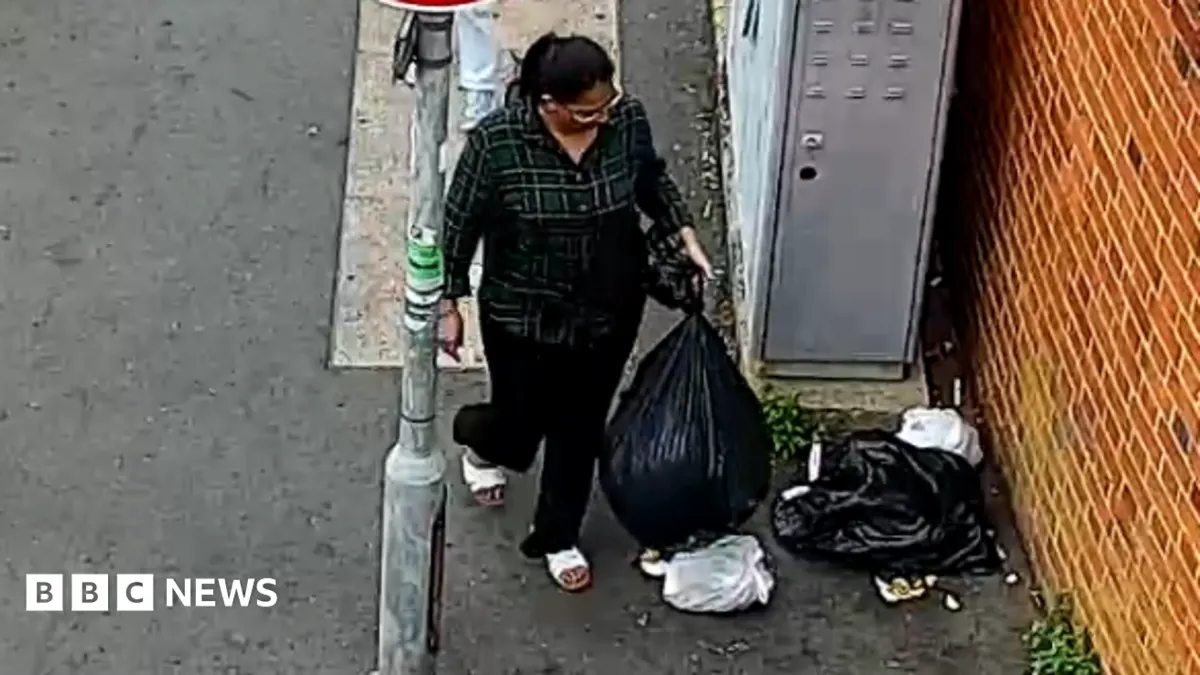
Hillingdon Council has begun posting CCTV images of people suspected of fly-tipping, saying public exposure could help identify offenders and deter further dumping. The move follows residents’ strong response and comes as London councils face a costly problem that local representatives say needs more resources.
The posts have attracted more than 850,000 views and 2,500 comments, including tips about suspects. Hillingdon says it must meet an evidential threshold before identifying anyone online, and can issue offenders a £1,000 fixed penalty; it also recently seized and crushed a vehicle linked to fly-tipping. A London Assembly committee member said the approach’s effect remains to be seen, noting nearly half a million incidents were recorded across London last year.
- Hillingdon is sharing CCTV images of suspected fly-tippers.
- The posts have drawn over 850,000 views and 2,500 comments.
- London recorded nearly half a million fly-tipping incidents last year.
New here? Start with this
Fly-tipping is the illegal dumping of rubbish on streets, public land or private property. Councils are responsible for clearing much of it, and the waste can cause environmental problems and cost public money to remove.
Hillingdon Council is one of London’s local authorities. It has used CCTV to investigate dumping and says it needs enough evidence before naming anyone it suspects; people found responsible can face a fixed penalty.
The issue affects councils across London, where large numbers of dumping incidents are reported. Councils use a range of enforcement measures, while representatives have also called for more resources to tackle the problem.
Both sides, in good faith
The strongest fair case each way — we don't pick a winner.
The case for
Publishing carefully vetted CCTV images may help residents identify suspected offenders and deter fly-tipping, which imposes clean-up costs and blights neighbourhoods. The strong public response suggests the posts can generate useful leads, while an evidential threshold and penalties offer a route to accountability where enforcement resources are limited.
The case against
Publicly posting images of people who have not been found guilty risks misidentification, reputational harm and online harassment, even if the council applies an evidential threshold. The approach’s deterrent effect is still uncertain, and resources might be better directed towards investigation, prevention and clean-up rather than public exposure.