World news and discussion on TalkFuse.
Tankers carrying Russian diesel change course, raising doubts about shipments to U.S.
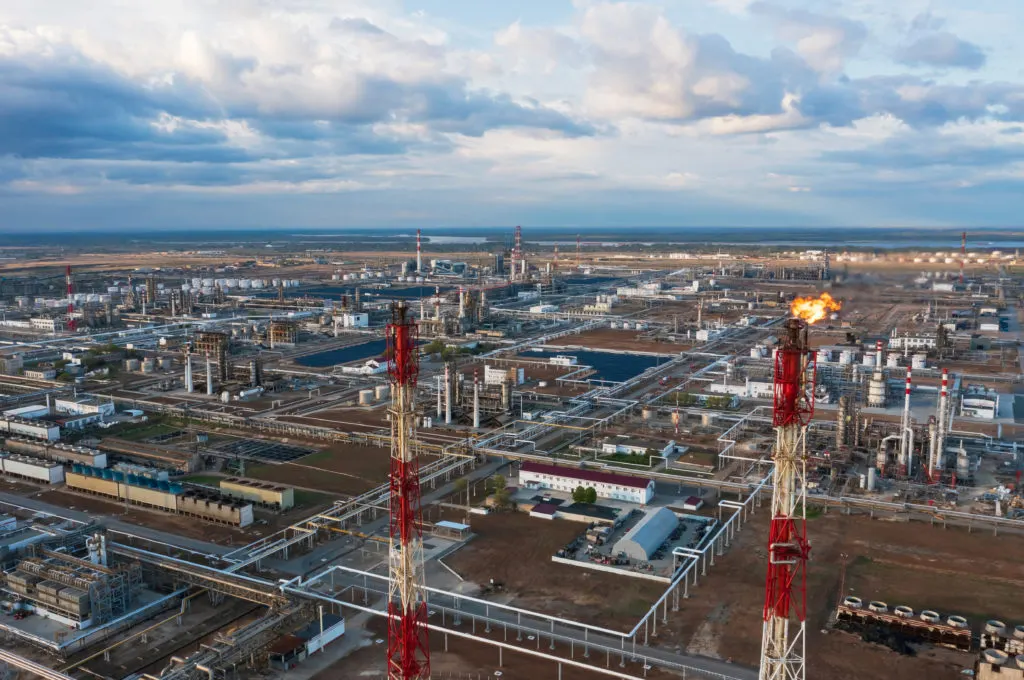
Two tankers carrying Russian diesel that had declared destinations on the US East Coast have changed course, casting doubt on whether President Donald Trump’s plan to bring the fuel to the United States will proceed. The proposed imports have faced legal warnings from state officials and lawmakers, while their potential effect on US diesel prices is uncertain.
Trump announced an agreement with Russian President Vladimir Putin on 9 October to make more than 300,000 metric tonnes of diesel available, but no US delivery has been confirmed. One tanker is now heading towards Brazil and the other into the Mediterranean; a third remains in the North Atlantic with its destination listed as “for orders”. The US Treasury temporarily exempted certain transactions from sanctions until 7 April, but New Jersey’s governor and a bipartisan group of senators have warned that companies handling the fuel could face legal consequences. No court has ruled on the dispute.
In short
- Two tankers initially bound for the US have changed course.
- No Russian diesel delivery to the US has been confirmed.
- Legal and political challenges cloud Trump’s import plan.
Steelman: both sides, in good faith
The strongest fair case each way — we don't pick a winner.
The case for
Supporters could argue that importing available diesel may help ease supply constraints and put downward pressure on prices, benefiting consumers and businesses. They may also see a limited sanctions exemption as a practical way to pursue a negotiated agreement, while leaving companies to assess legal risks and authorities to enforce the rules.
The case against
Critics could argue that importing Russian fuel risks undermining sanctions and creating legal exposure for companies, especially given warnings from state officials and lawmakers. They may also question whether the uncertain price benefit justifies the legal and diplomatic costs, and argue that the agreement should not be treated as settled while no delivery has been confirmed.
Americas Europe Government Politics World