Tata Group Chairman N Chandrasekaran to step down in February
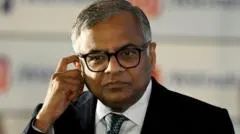
Tata Group chairman N Chandrasekaran has said he will not seek reappointment when his term ends in February, after Tata Sons’ board failed to agree on a proposed five-year extension. The announcement has unsettled investors, sending shares in listed Tata companies lower and raising uncertainty over leadership at the conglomerate, which owns businesses including Air India, Tata Steel and Jaguar Land Rover.
Chandrasekaran, 63, has led Tata since 2017 and said a board member opposed his extension proposal in February, with no agreement reached six months later. The decision follows months of reported tensions between trustees of Tata Trusts, which owns 66% of Tata Sons, and board members over governance, funding, nominations and a possible public listing; the group has not commented publicly on the disputes. The leadership question comes as Tata manages major strategic projects, including the revival of Air India following its 2022 purchase from the Indian government.
- Tata chairman N Chandrasekaran will leave when his term ends in February.
- Board disagreement over his extension highlights wider governance tensions.
- Investors are concerned about leadership uncertainty at the conglomerate.
Both sides, in good faith
The strongest fair case each way — we don't pick a winner.
The case for
Board members who opposed the extension appear to have raised legitimate governance concerns over funding, nominations and decision-making between trustees and directors. A leadership transition offers an opportunity to address these structural tensions, reset relationships and bring fresh strategic perspective to the group. Prolonging a tenure amid unresolved disagreement risks entrenching governance problems rather than solving them.
The case against
Tata's conglomerate requires sustained leadership continuity, especially with major projects like Air India's revival still in critical phases. Chandrasekaran's nine-year tenure has successfully navigated complex crises and investor confidence has now eroded visibly through share price falls. Losing an experienced leader mid-stream creates operational and strategic risk that outweighs governance tensions that might have been resolved through dialogue rather than leadership change.