TCL Note A1 Nxtpaper Review (2026): A Hybrid Tablet for Taking Notes and Watching Video
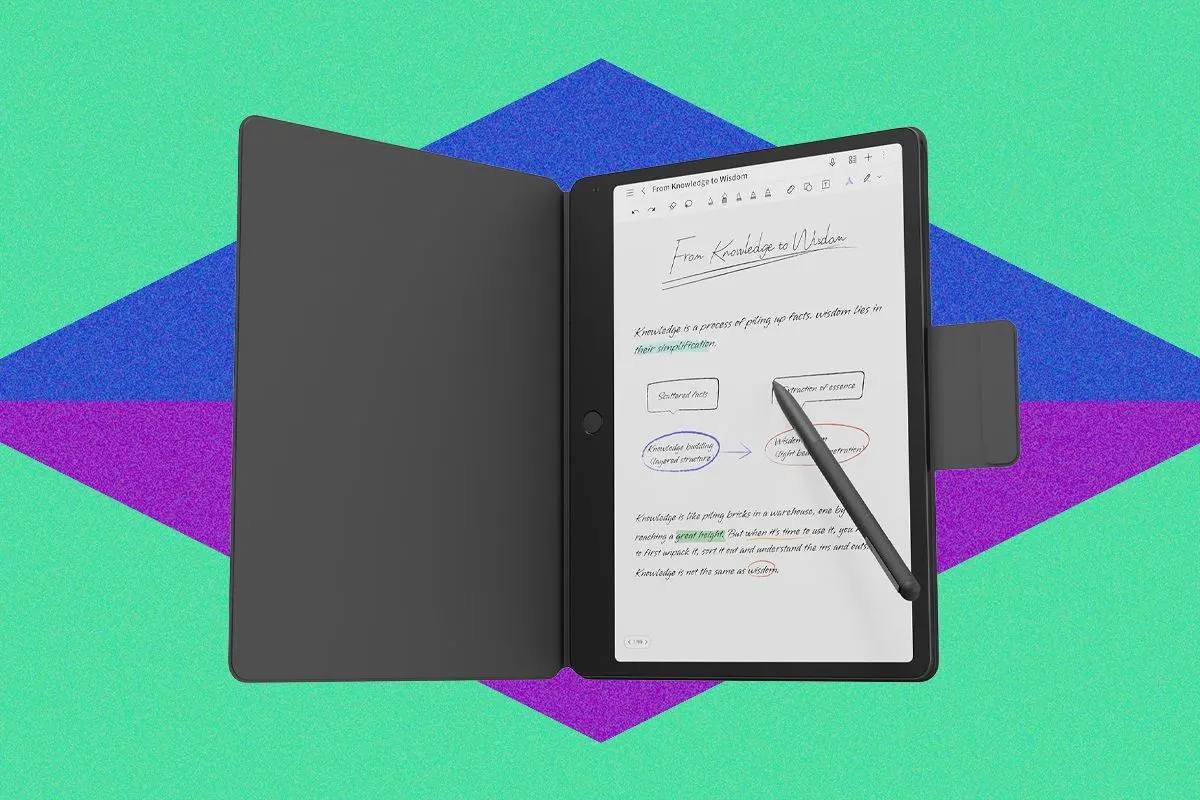
TCL's Note A1 Nxtpaper attempts to fill a niche between specialized note-taking devices and conventional tablets by incorporating a custom matte LCD display. This screen maintains writing surface qualities reminiscent of paper while preserving the capability for color content and multimedia playback. Paired with pressure-sensitive stylus technology and handwriting recognition, the device targets users seeking both productivity and entertainment on a single platform.
However, the device's multifaceted design involves substantial tradeoffs that undermine its appeal as a primary tool. The matte display, while more versatile than E Ink alternatives, fails to deliver an authentic paper-like writing sensation that specialists in that category provide. Additional friction points include an unnecessarily bulky keyboard attachment, missing hardware controls, and an interface that appears incomplete. The pursuit of universal functionality results in a device that excels at neither specialized note-taking nor traditional tablet tasks, offering versatility at the cost of proficiency.
In short
- Hybrid matte LCD balances paper-like writing with video capability, but doesn't fully replicate E Ink feel
- Well-specced device with stylus and handwriting recognition suits note-taking, reading, and multimedia
- Design compromises (bulky keyboard, missing buttons, unrefined UI) limit its effectiveness as a universal device
Steelman: both sides, in good faith
The strongest fair case each way — we don't pick a winner.
The case for
The hybrid approach serves a genuine market need. Versatility itself holds value for users whose activities span multiple purposes—those who take notes, watch video, read, and handle general productivity benefit from a single capable device rather than carrying multiple specialists. The matte LCD display represents a thoughtful compromise: it meaningfully improves the writing experience over conventional glossy tablets whilst preserving the colour capability and entertainment value that E Ink devices cannot provide. For non-specialist users with moderate, cross-disciplinary needs, such convergence offers practical convenience.
The case against
Genuine user satisfaction demands specialisation. Those whose primary need is note-taking deserve the superior haptic feedback and distraction-free experience of E Ink devices, whilst entertainment-focused users benefit from displays optimised for colour fidelity and multimedia performance. A device attempting to serve both ends up compromised in both—the writing feel falls short of dedicated note-takers' expectations, and visual performance trails purpose-built tablets. This inevitably means each user group is better served by tools designed specifically for their primary function.
Explained simply
Digital note-taking devices usually fall into two broad groups: e-readers with E Ink screens, which are designed to resemble paper, and tablets with LCD screens, which show colour and video. TCL is an electronics company, and its Nxtpaper display uses a matte LCD to combine some features of both. The Note A1 also comes with a pressure-sensitive stylus and software that can turn handwriting into typed text.
The device is aimed at people who want to write notes and use entertainment apps on one screen. Its design reflects a broader choice for tablet makers: focus on a specialised task or combine several uses in one product. That matters to readers considering whether a hybrid device suits their needs compared with a dedicated e-reader or a conventional tablet.