Teacher who plummeted from Six Flags rollercoaster ‘passed out’ before being ejected from ride, traumatized niece told dad
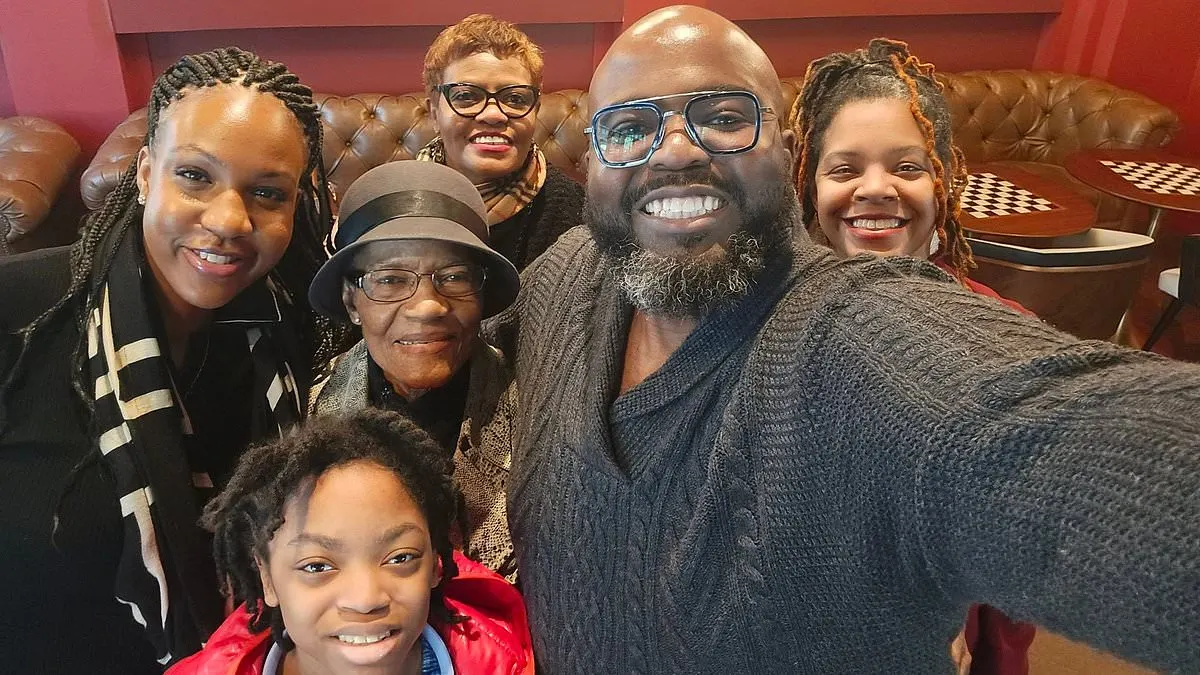
Hassan Kariem, a 42-year-old teacher, died after being ejected from the Goliath roller coaster at Six Flags Over Georgia on Monday. His niece, who was sitting beside him and celebrating her 13th birthday, told her father that Kariem had passed out before his restraint appeared to come loose. Her account has added to questions about whether the incident could have been prevented, while an investigation examines the ride’s safety systems.
Kariem worked in education technology at Wesley International Academy and was excited to share his favourite ride with his niece. Four other people were injured; witnesses also reported unusual clicking from the restraints before the ride began, though these accounts have not been confirmed by investigators. State officials and county detectives are assessing the lap bars, locking mechanisms and safety sensors. The park closed for several days and reopened on Friday evening, with Goliath expected to remain closed; at least 11 roller coasters in the US and Canada were temporarily shut after the death.
- A 42-year-old teacher died after being ejected from Goliath.
- His niece said he passed out before his restraint came loose.
- Investigators are examining the ride’s restraints and safety systems.
Both sides, in good faith
The strongest fair case each way — we don't pick a winner.
The case for
The niece’s account that Kariem passed out before the restraint appeared to come loose, alongside reports of unusual clicking, supports a serious examination of whether a fault or warning sign was missed. Given the fatal consequences and the park’s duty to protect riders, keeping the ride closed until investigators establish that its restraints and safety systems worked reliably would be a defensible precaution.
The case against
The account and witness reports have not been confirmed by investigators, and the cause of the ejection remains unknown. A fair assessment should avoid treating unverified observations as proof of a defect or preventable failure; decisions about reopening should follow the technical investigation and evidence about the ride’s safety systems.