Culture news and discussion on TalkFuse.
Teamsters suing over California self-driving truck rules
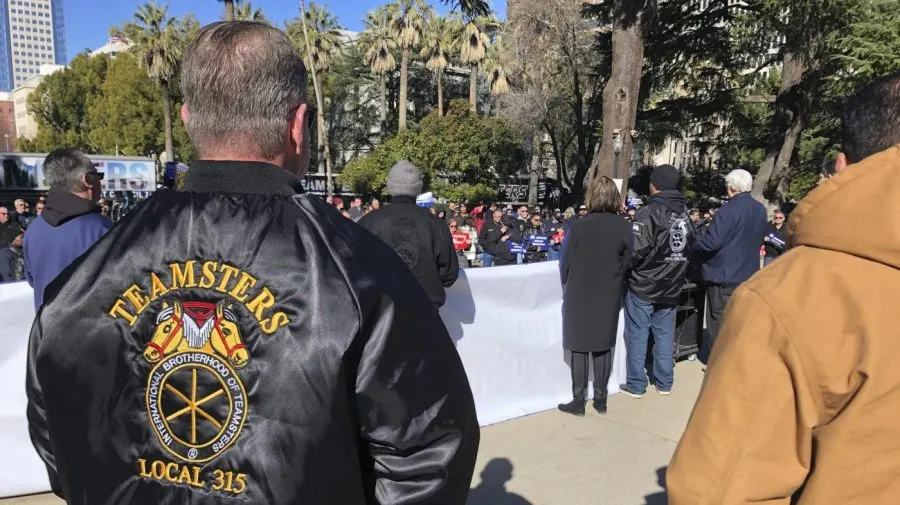
California’s Teamsters union has sued the state over new Department of Motor Vehicles rules allowing self-driving heavy-duty trucks to be tested and eventually used commercially on public roads. The case intensifies the dispute between labour groups concerned about safety and job losses and supporters who say autonomous freight technology could improve transport efficiency.
The union’s petition, filed in Alameda Superior Court, argues that driverless trucks endanger the public and threaten the livelihoods of roughly 200,000 California truck drivers. The regulations, adopted in April, apply to vehicles weighing more than 10,001 pounds and require companies to progress from testing with a safety driver to driverless testing before seeking commercial deployment permission; they also introduce wider oversight and enforcement measures.
In short
- Teamsters challenge California rules permitting driverless heavy trucks.
- Union cites public safety and 200,000 drivers’ jobs.
- Rules require phased testing before commercial deployment.
Steelman: both sides, in good faith
The strongest fair case each way — we don't pick a winner.
The case for
Supporters of the regulations argue that autonomous truck technology, when properly tested and overseen, could significantly improve road safety by reducing human error—the cause of most accidents—whilst boosting economic efficiency and competitiveness. They contend that California's tiered approach appropriately manages risk through graduated testing requirements, and that blanket opposition to innovation does not serve broader public interests, even though genuine adjustment challenges exist for affected workers.
The case against
The Teamsters contend that deploying autonomous trucks on public roads before comprehensive long-term safety data exists poses unacceptable risks to the public, and that the regulatory framework is insufficiently rigorous before permitting commercial operation. They emphasise that roughly 200,000 truck drivers face real livelihood threats without guaranteed transition support, and that workers' economic security should not be sacrificed for corporate efficiency gains.
Explained simply
Self-driving heavy goods vehicles use cameras, sensors and computer systems to steer without a person driving. California’s Department of Motor Vehicles sets rules for testing them and deciding whether they can be used for paid freight work on public roads.
The Teamsters is a large trade union whose members include lorry drivers. It says the new rules could put road users at risk and threaten drivers’ jobs. Companies developing the technology argue that automated trucks could move freight more efficiently, so the debate concerns both road safety and the future of transport work.
Art Culture Politics Research Science