Tech Visionary Says the Big AI Labs Don’t Get What People Want
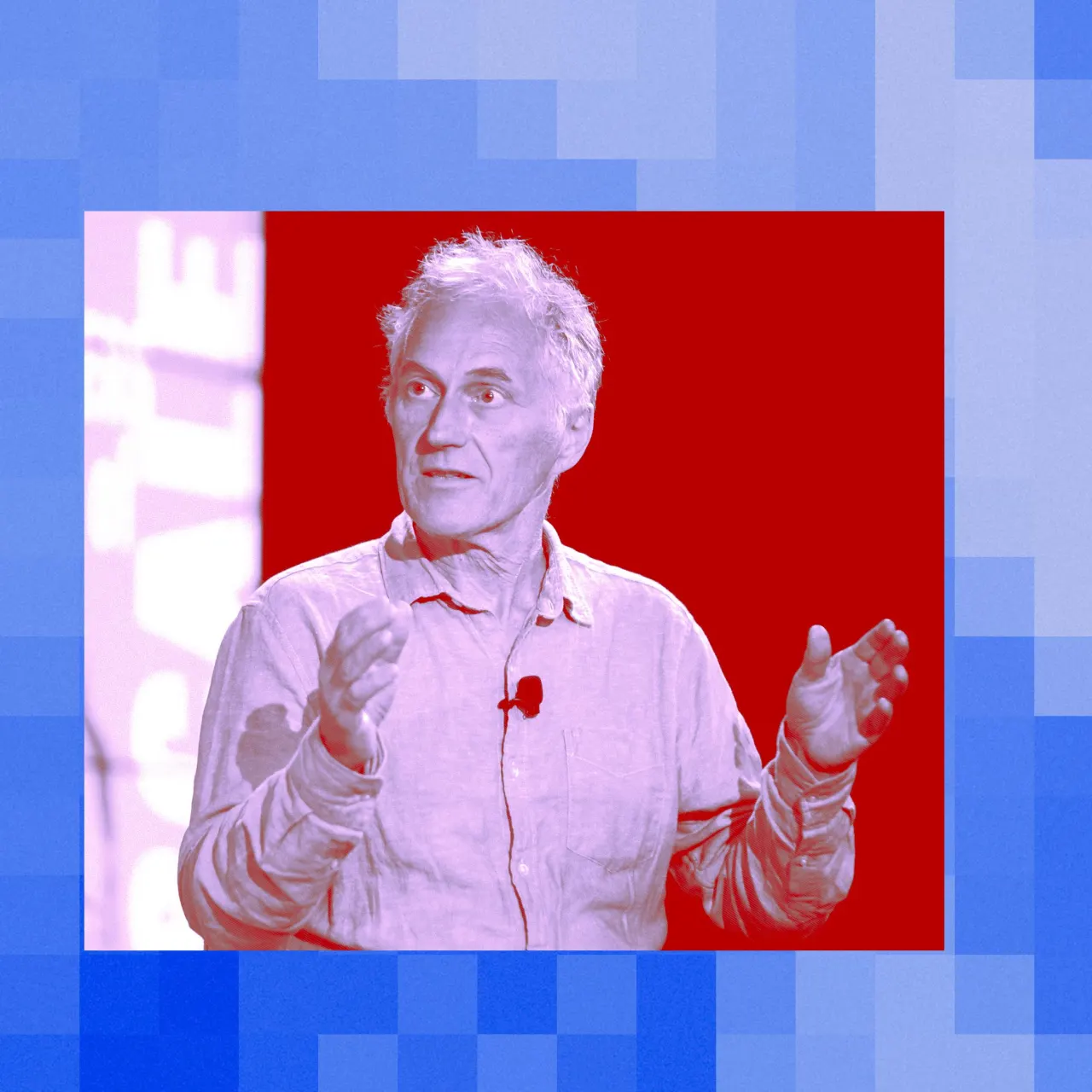
Tim O’Reilly argues that major AI laboratories are prioritising ever-larger, tightly controlled models over the flexible systems ordinary users need. He believes AI should be developed as an open creative medium, with people able to customise and understand the full technology stack rather than being locked into corporate platforms that can track them.
O’Reilly distinguishes true open-source AI from merely releasing model weights, calling instead for openness across models, software harnesses and applications. He says frontier models are increasingly better only at selected tasks, while lower-level models could spread innovation more widely; he also argues that cybersecurity and biosecurity concerns may be stronger reasons to slow frontier systems than to restrict open-weight models.
In short
- O’Reilly says big AI labs favour control over user participation.
- He wants open AI systems, not just openly released model weights.
- He believes widely used smaller models could matter more than frontier models.
Steelman: both sides, in good faith
The strongest fair case each way — we don't pick a winner.
The case for
Decentralised, open AI development better serves users by restoring agency and control rather than locking them into corporate platforms. Smaller, customisable models can solve most real-world problems whilst avoiding unnecessary concentration of power in a few corporations. Open development fosters wider innovation and allows users to understand and trust the tools they rely on, rather than depend on companies that can alter terms or harvest data at will.
The case against
The major labs' controlled approach prioritises safety and harm prevention in the face of genuinely novel risks. Concentrating capability development enables coherent oversight and responsible deployment that prevents open models from enabling bioweapons, cyber-attacks, or other serious harms. Frontier models do enable genuine breakthroughs. Maintaining controlled development allows researchers to build appropriate safeguards, whereas proliferating unrestricted models removes any possibility of preventing misuse by malicious actors.
Explained simply
Tim O’Reilly is a writer and technology commentator known for discussing how new technologies are built and used. AI systems learn patterns from data and can generate text, images and other material; the largest, most capable systems are often developed by a small number of well-funded companies.
The debate is partly about who can shape these tools and how much of their workings are available to inspect or change. Releasing a model’s weights—the learned values that help it produce outputs—does not necessarily make the surrounding software or applications open as well.
These choices matter because they affect who can adapt AI, what uses it supports and how its risks are managed. Concerns about misuse include cyberattacks and the creation of harmful biological materials, while broader access may allow more people to experiment and build new applications.