Tecno’s new concept may be the first truly bezel-less smartphone
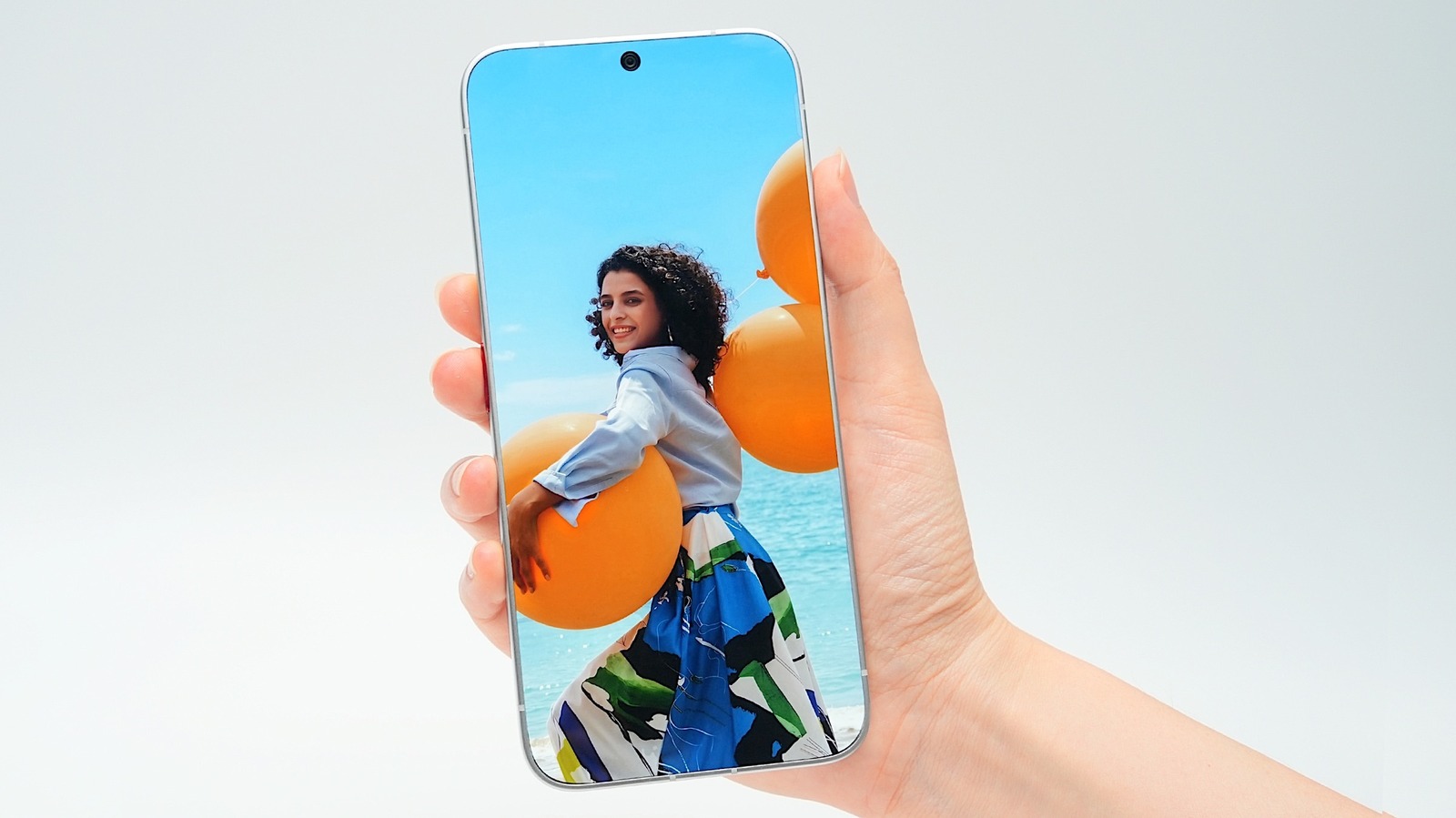
Tecno has unveiled a concept smartphone with what it calls the industry’s first genuinely bezel-less display, claiming a zero-millimetre border around the screen. If realised in a production device, it could push phone design beyond today’s ultra-thin bezels and offer a more immersive display, though practical concerns such as accidental touches when holding the handset remain.
The Chinese manufacturer says redesigned internal stacking and screen-packing methods remove the space normally needed for circuitry and safety clearances. Current flagship phones from Apple and Samsung generally offer about 90% screen coverage, while Xiaomi and Honor devices reach around 95%; Tecno’s concept is due to be shown at IFA 2026, but the company has not confirmed a retail launch.
- Tecno claims a concept phone has a truly zero-millimetre display border.
- New internal display packaging supposedly removes the final bezel space.
- The concept will be shown at IFA 2026.
New here? Start with this
Smartphone makers have spent years reducing the frame, or bezel, around screens to make handsets look more like a single sheet of display. The remaining border usually contains or protects parts needed for the screen, sensors and internal electronics.
Tecno is a Chinese phone maker best known in markets across Africa, Asia and parts of Europe. Apple and Samsung are among the biggest premium-phone brands, while Xiaomi and Honor are Chinese competitors that have also pursued very high screen-to-body ratios.
A screen that reaches fully to every edge could make videos, games and apps appear more immersive. Designers also have to balance that ambition against durability, space for components and the risk of users triggering the touchscreen accidentally while gripping the phone.
Both sides, in good faith
The strongest fair case each way — we don't pick a winner.
The case for
Supporters argue that a genuinely bezel-less display would be a meaningful design advance, making screens more immersive without enlarging the handset. They contend that Tecno’s claimed engineering changes could challenge assumptions about what is possible in phone construction and spur established manufacturers to pursue more ambitious designs.
The case against
Sceptics argue that the remaining bezel serves practical purposes beyond appearance, including protecting the display, housing components and giving users a secure area to hold the device. Until Tecno demonstrates durability, reliable touch rejection, repairability and a viable retail product, they say the announcement should be treated as an intriguing concept rather than a proven improvement.