Teens accused of destroying Flock camera until battery exploded, igniting fire near homes: report
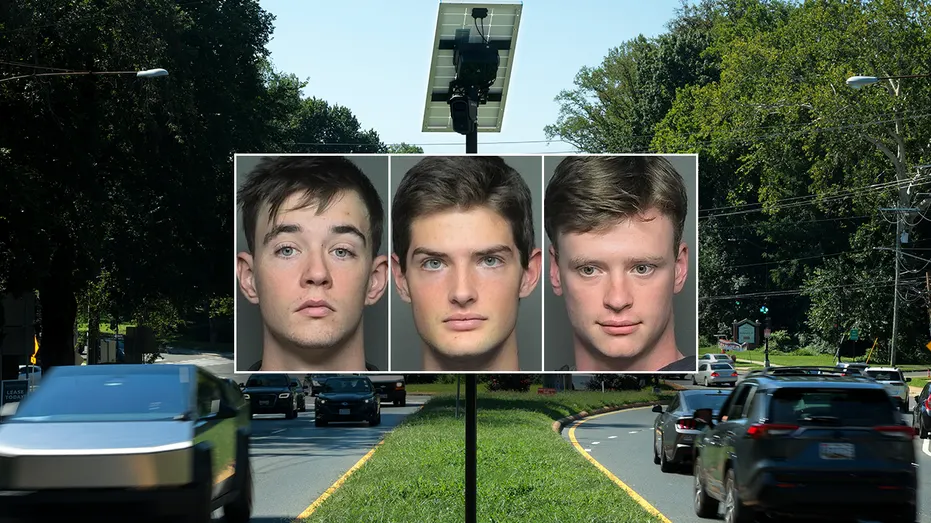
Three South Carolina teenagers have been arrested after allegedly damaging a Flock Safety camera near homes in Chester County, causing its battery to explode and start a fire. The incident has heightened attention on disputes over automated number-plate recognition cameras, which supporters say help police investigate crime but critics say create excessive surveillance and privacy risks.
Authorities say the alleged attack happened on 15 August on Harmony Church Road in Edgemoor, where the camera pole was reportedly cut down and the battery pack struck with a hammer. Damage was estimated at more than $5,000; the three 19-year-olds were charged with criminal conspiracy and malicious injury to personal property, then released on bond. A nearby resident said rain may have prevented the fire spreading, while the wider debate includes a Senate inquiry into Flock’s network of more than 120,000 cameras and claimed 20 billion monthly vehicle scans.
- Three teenagers face charges over a camera battery fire.
- Damage was estimated at more than $5,000.
- The case reflects wider privacy concerns about Flock cameras.
New here? Start with this
Flock Safety makes automated number-plate recognition cameras, which photograph passing vehicles and record their number plates. Police can use the records to look for vehicles linked to investigations, while the cameras’ spread has raised questions about how much travel data is collected and who can access it.
The company’s network includes cameras installed in towns and near homes, often through agreements with local authorities. Supporters say the records can help police investigate crime; critics are concerned that widespread tracking could affect people’s privacy. These competing views have prompted scrutiny of how the network is used and overseen.
Both sides, in good faith
The strongest fair case each way — we don't pick a winner.
The case for
Supporters of the cameras argue that automated number-plate recognition is a practical public-safety tool: it can give police timely leads on stolen vehicles, missing people and serious offences, while allowing limited resources to be used more effectively. They would say lawful concerns about surveillance should be addressed through clear rules, retention limits and independent oversight, not through vandalism that risks fires, property damage and danger to nearby homes.
The case against
Critics argue that a vast network recording vehicle movements can enable disproportionate tracking of ordinary people, especially if data are retained, shared or accessed without strong safeguards. They would say public authorities should not treat the technology as inevitable simply because it may assist investigations, and that democratic scrutiny, strict privacy protections and meaningful limits are needed before such systems become embedded in daily life.