Tension erupts during House midterm debate as Lawler fact-checks New York Democrat opponent on immigration
Developed over time first seen 1 day ago
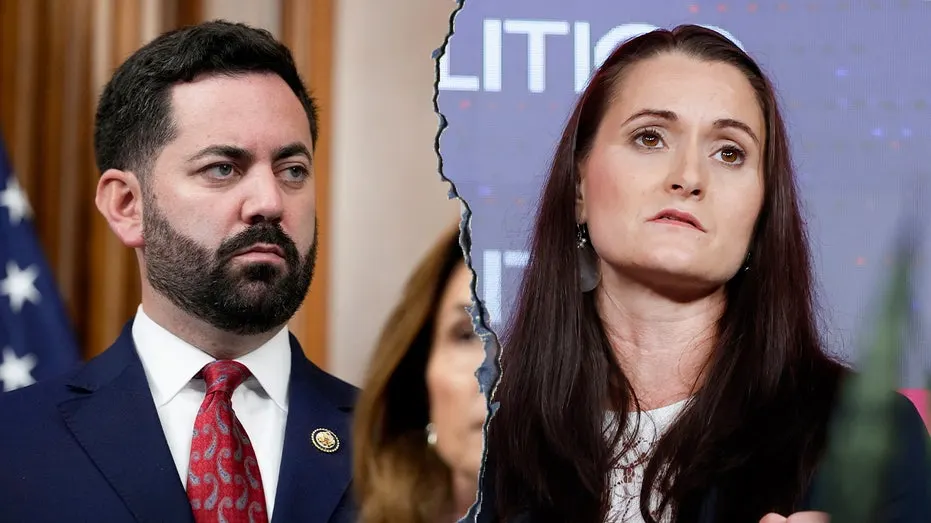
Republican Mike Lawler and Democrat Cait Conley clashed in a one-hour debate for New York’s 17th Congressional District, a competitive seat that could influence control of the House. Immigration enforcement dominated their exchanges, with Lawler challenging Conley’s account of his record and arguing that sanctuary policies can prevent the deportation of people accused of crimes.
Conley said border security matters but criticised ICE’s conduct after agents shot a man in a car with his five-year-old child. Lawler cited the man’s criminal record and blamed New York’s sanctuary laws, then raised the killing of district resident Sheridan Gorman in Chicago, whose accused killer had previously faced a shoplifting charge. The candidates also disputed Lawler’s voting record and whether he supports President Donald Trump’s agenda.
- Lawler and Conley clashed over immigration in a New York debate.
- Sanctuary policies and ICE conduct were central issues.
- The candidates also disputed Lawler’s record on Trump.
New here? Start with this
New York’s 17th Congressional District elects one member to the US House of Representatives. Its seat is considered competitive, so the result may affect which party controls the chamber, where members vote on federal laws and oversee the government.
Mike Lawler is the Republican incumbent, and Cait Conley is the Democratic challenger. Immigration enforcement is handled by federal agencies including ICE, while “sanctuary” policies are local or state rules that limit some cooperation with federal immigration authorities; their effects and scope vary.
The debate also touched on public safety and the candidates’ records. The House race is part of the wider midterm elections, held halfway through a president’s four-year term, when voters choose congressional representatives and can shift the balance of power in Washington.
Both sides, in good faith
The strongest fair case each way — we don't pick a winner.
The case for
Lawler’s case is that immigration laws need to be enforced consistently, and that sanctuary policies can make it harder to detain or deport people accused of crimes. He can argue that voters deserve a clear account of Conley’s positions and that public safety requires considering the records of those involved in high-profile incidents.
The case against
Conley’s case is that border security can be important while still requiring scrutiny of how ICE uses force, especially when children are present. She can argue that individual crimes do not by themselves establish that sanctuary laws caused them, and that voters should judge Lawler’s record and support for Trump’s agenda on the evidence.
Full account
A debate over immigration enforcement produced the sharpest exchanges when Republican congressman Mike Lawler and his Democratic challenger, Cait Conley, met on Wednesday night ahead of the election for New York’s 17th Congressional District. Lawler is seeking a third term in the suburban seat, one of the closely contested races that could help determine control of the House of Representatives. Over the hour-long PIX11 debate, the candidates interrupted one another as Conley challenged Lawler’s record and his relationship with President Donald Trump, while Lawler disputed her account of his votes and immigration policies.
The argument intensified after moderator Dan Mannarino raised the recent shooting of a man by Immigration and Customs Enforcement officers in the Bronx while the man’s five-year-old child was in his car. Conley said the United States needed secure borders and the removal of people involved in serious crime, but argued that the officers’ conduct in this case had endangered the public. Lawler focused on the man’s criminal history and blamed restrictions on cooperation between local police and federal immigration officers for the circumstances leading to the encounter. When Mannarino pressed him on how officers who breach ICE guidelines should be held accountable, Lawler said the discussion should give greater weight to community safety. The exchange left the moderator’s question about discipline for officers unresolved.
Lawler then cited the killing of Sheridan Gorman, a student from his district who was shot near her college campus in Chicago. The man accused of killing her had previously been arrested on a shoplifting charge. Lawler argued that local cooperation with immigration authorities could have led to his removal from the country and prevented Gorman’s death. Conley described the killing as an appalling crime, said the accused man should have been deported and affirmed her support for federal enforcement against violent offenders. She also stressed that the killing occurred in Chicago. As Lawler repeatedly interrupted to argue that it could have been prevented, Conley asked to finish her answer; Mannarino later stepped in to restore the debate’s format. Lawler’s claim about what would have happened under different local policies remained a point of political dispute, rather than an established outcome.
The candidates also clashed over Lawler’s independence from Trump and the effects of a major Republican tax law. Conley sought to portray him as aligned with national Republican priorities rather than the district’s interests. Lawler rejected her characterisation of his voting record and challenged her description of a tax provision affecting business investment. Those disagreements underscored the choice each candidate was trying to put before voters: Conley questioned Lawler’s judgement and accountability, while Lawler presented himself as an independent incumbent with a firmer approach to immigration enforcement. Neither candidate’s accusations against the other should be taken as a settled fact on the basis of the debate alone.
Where outlets differ
Both supplied reports are from Fox News, so they do not provide distinct outlets’ perspectives. The first report gives more space to the candidates’ wider arguments about Trump, Lawler’s voting record and the tax law. The second concentrates on individual confrontations, especially Mannarino’s unanswered question about ICE accountability and the interruptions during the discussion of Gorman’s killing.