Tesla’s Cybercab has been deployed, and it’s already under investigation
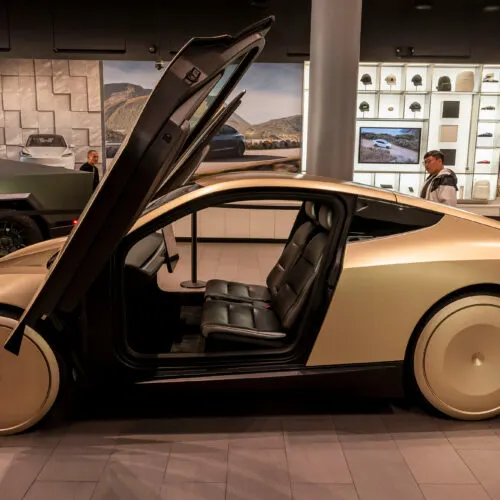
Tesla's driverless Cybercab has come under federal investigation just hours after the company began giving members of the public rides in the two-seater vehicle, which lacks a steering wheel and brake pedals, in Austin, Texas. The US National Highway Traffic Safety Administration (NHTSA) is examining whether the vehicle meets federal safety standards, in a rebuke that observers say reflects growing frustration with Tesla's approach to regulatory compliance ahead of its planned mass rollout of driverless taxis.
Unlike rival Zoox, which secured a formal exemption from federal vehicle rules before deploying its similarly unconventional robotaxis, Tesla has argued it needs no such exemption because the Cybercab already complies with existing standards. The NHTSA's "Audit Query" will scrutinise the data and reasoning behind that claim. A former acting NHTSA administrator described Tesla's stance as "gobsmacking" given the precedent set by Zoox's case. Such investigations can lead to mandated design changes or financial penalties — Volvo, for example, paid $130 million and accepted three years of independent oversight following a past probe. Tesla currently has 45 Cybercabs operating in Texas but has stated ambitions to deploy millions annually as part of CEO Elon Musk's vision of the company as a robotics and autonomous vehicle firm.
In short
- NHTSA is investigating whether Tesla's driverless Cybercab meets safety standards
- Tesla skipped the exemption process that rival Zoox obtained
- Penalties for such probes can be severe, as seen with Volvo's $130m fine
Steelman: both sides, in good faith
The strongest fair case each way — we don't pick a winner.
The case for
Tesla’s position may be that the Cybercab meets the safety requirements already in force, so a separate exemption is unnecessary. Allowing regulators to assess its evidence through the audit could avoid imposing rules designed for conventional vehicles on a new design, while preserving a path for innovation and wider access to driverless transport.
The case against
A vehicle without a steering wheel or brake pedals may not fit the assumptions behind existing safety standards, making a formal exemption an important safeguard before public deployment. Requiring Tesla to show clearly how the Cybercab meets those standards could protect passengers and the public, support consistent treatment across manufacturers, and build confidence before the fleet expands.
Explained simply
Tesla is developing the Cybercab as a driverless taxi. The two-seat vehicle has no steering wheel or brake pedals, so it differs from cars built around a human driver. Tesla chief executive Elon Musk has described a large-scale taxi fleet as part of the company’s plans.
In the United States, the National Highway Traffic Safety Administration checks whether vehicles meet federal safety rules. Tesla says the Cybercab complies with existing rules, while rival Zoox obtained an exemption for its differently designed robotaxi. How regulators assess these vehicles matters for companies planning to offer driverless rides at scale.
Americas Cybersecurity Government Politics Technology World