Treasury admits flawed allegations process contributed to employee’s death
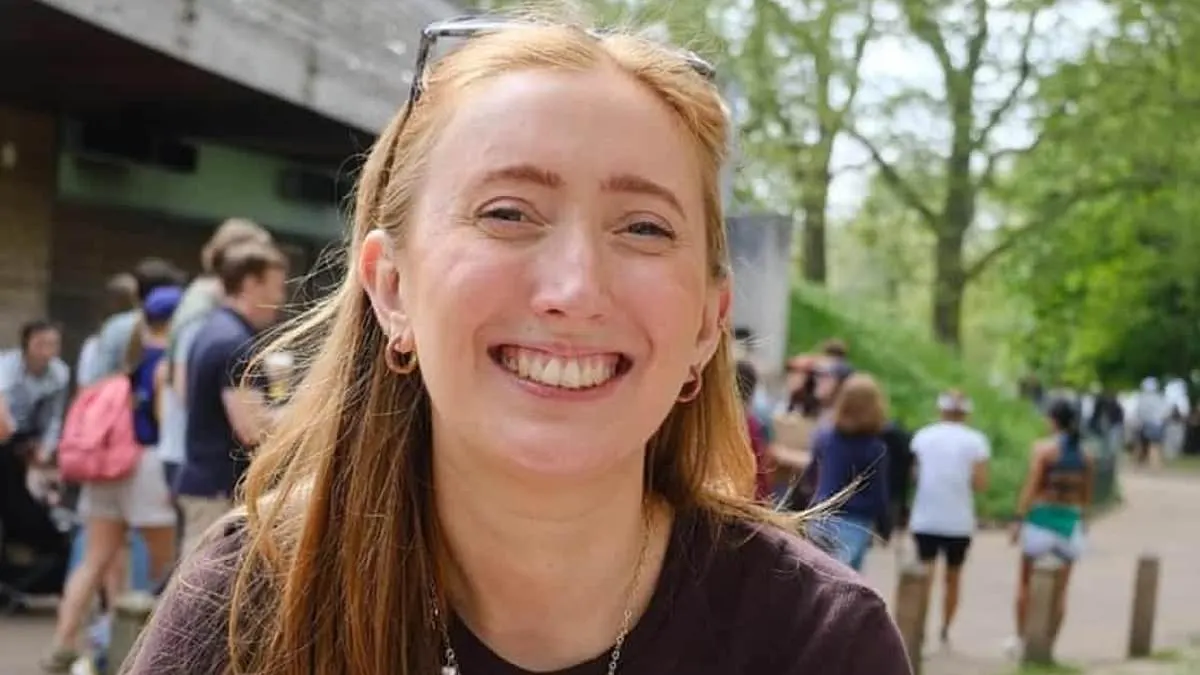
The Treasury has accepted that its handling of allegations against Chloe Moffat contributed to her death. A coroner found the department’s informal process lacked safeguards and posed a risk of future deaths, prompting changes to how serious workplace allegations are handled.
Moffat, 26, died on 20 May last year, a day after a meeting in which she was accused of sharing colleagues’ sensitive information, which she denied. She had asked whether her job was at risk and whether a friend could support her; both requests were refused, and she was not told that a written warning, rather than dismissal, was the likely penalty. The Treasury has stopped using informal fact-finding meetings while reviewing its policy, and is strengthening wellbeing protections and developing suicide prevention measures. The Cabinet Office will review workplace conflict and resolution across Whitehall over the next 12 months.
In short
- The Treasury accepted it contributed to Chloe Moffat’s death.
- A coroner found serious allegations were handled without adequate safeguards.
- The department has stopped informal fact-finding during a policy review.
Explained simply
The Treasury is the UK government department responsible for managing public money and economic policy. Like other large employers, it has procedures for dealing with allegations that staff have broken workplace rules.
Chloe Moffat was a 26-year-old Treasury employee accused of sharing colleagues’ sensitive information, which she denied. The process used to discuss the allegation was informal, raising questions about what support and safeguards staff should have during serious workplace disputes.
The case matters because workplace investigations can affect people’s wellbeing as well as their jobs. It has also prompted wider attention to how government departments handle conflict and support employees facing allegations.
Read the full article at the source →
Originally published by Daily Mail as “Treasury accepts it contributed to the death of ‘exemplary’ employee, 26, who took her own life one day after meeting over anonymous complaint”.