Culture news and discussion on TalkFuse.
Thar she blows! Hull Maritime Museum resurfaces with a walk-in whale and a ‘monkey mermaid’
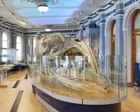
Hull Maritime Museum has reopened after a £20m refurbishment, revealing a permanent gallery centred on a 40ft skeleton of a North Atlantic right whale that visitors, including children, can walk and crawl through. The reboot celebrates the city's long relationship with the sea, tracing its history through trading, whaling and fishing, and connecting that past to Hull's present-day role in offshore wind turbine manufacture and as one of the UK's busiest port complexes.
Alongside the giant whale skeleton, the museum displays delicate scrimshaw carvings made from whale teeth and walrus tusks by sailors during long voyages, plus objects such as narwhal tusks fashioned into hatstands and bedposts. The North Atlantic right whale, once hunted almost to extinction for its oil and buoyancy after harpooning, now numbers fewer than 400 in the wild. The museum's new galleries, including one called This Place Called Hull, also explore the city's identity and its ties to poet Philip Larkin, set against a backdrop of docklands still recovering from wartime damage and economic decline.
In short
- Hull Maritime Museum reopens after £20m refurbishment
- Star exhibit: 40ft North Atlantic right whale skeleton
- Collection includes scrimshaw carvings and narwhal tusk artefacts
Steelman: both sides, in good faith
The strongest fair case each way — we don't pick a winner.
The case for
Museums serve important educational and cultural functions by preserving historical artefacts even from practices now considered harmful, allowing visitors to understand how the past shaped the present. The whaling industry was integral to Hull's maritime heritage, and examining this history, including why commercial whaling was pursued and why it drove the North Atlantic right whale to near-extinction, provides essential context for understanding modern conservation efforts. These particular artefacts cannot be undone or restored to living animals; they serve the museum's mission to educate visitors about consequence and change.
The case against
Displaying items made from an endangered species raises ethical concerns about the message such exhibits send, particularly to younger visitors. The North Atlantic right whale remains critically endangered with fewer than 400 individuals in the wild, and presenting decorative items crafted from their ancestors' remains as historical curiosities risks normalising the exploitation of living species still struggling to survive and recover. Museums wield considerable influence over cultural values; some argue such displays should prioritise contemporary responsibility to living endangered animals over the collecting and preservation of artefacts from their destruction.
Explained simply
Hull grew around its port, which linked the city to overseas trade, fishing and whaling. Its maritime history also reflects how people used the sea’s resources: sailors carved whale teeth and walrus tusks during long voyages, and such objects are now part of the museum’s collection.
The North Atlantic right whale was hunted for its oil and buoyant body, and fewer than 400 are thought to remain in the wild. Hull’s port still matters today, including through offshore wind manufacturing, while the city’s docks and identity have also been shaped by wartime damage and economic decline.
Art Celebrity Culture Entertainment Offbeat Weird & Viral