Entertainment news and discussion on TalkFuse.
The 10 Best Sci-Fi Movies of All Time, Ranked According to Letterboxd
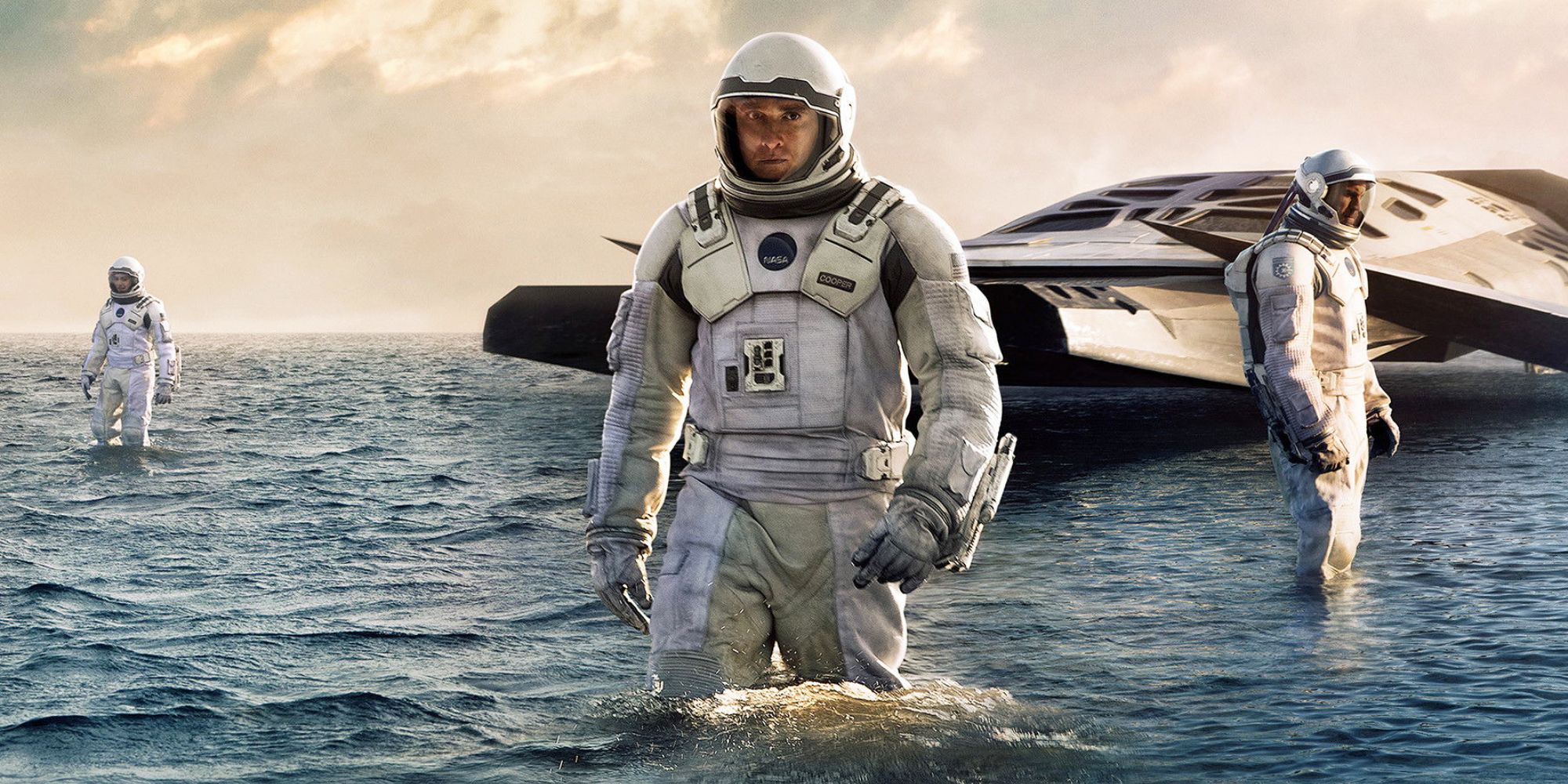
Letterboxd, the film-rating platform used by cinephiles worldwide, has published its own ranking of the best science fiction films of all time based on user scores, offering audiences a guide to essential viewing in the genre. The list draws on ratings from Letterboxd's global user base and highlights how certain films, both classic and recent, continue to be held in high esteem by dedicated moviegoers.
Among the entries revealed are Alfonso Cuarón's dystopian thriller Children of Men (2006), rated 4.3/5, which follows Clive Owen's character protecting the first pregnant woman in nearly two decades amid societal collapse. Also featured is the 2025 adaptation of Andy Weir's novel Project Hail Mary, starring Ryan Gosling and also scoring 4.3/5, and John Carpenter's 1982 horror-sci-fi classic The Thing, which achieved a higher 4.4/5 rating.
In short
- Letterboxd users ranked the best sci-fi films of all time.
- Children of Men and Project Hail Mary both scored 4.3/5.
- The Thing (1982) rated even higher, at 4.4/5.
Explained simply
Letterboxd is a social network for film enthusiasts where members rate and discuss the films they watch, with millions of users contributing their opinions daily. The platform has now released a ranking of the best science fiction films based on ratings from this global community of viewers. Such rankings matter because they show which films have proven most loved and respected by actual audiences rather than by critics alone.
Science fiction is a vast genre spanning everything from space exploration to dystopian futures, which can make it difficult for new viewers to know where to start. Letterboxd's user base includes both casual moviegoers and dedicated film enthusiasts from around the world, giving their collective opinion considerable weight in film culture. A ranking based on millions of engaged users can serve as a useful guide for understanding which films have endured in the genre and why audiences continue to value them.