The “inferior” Smiths songs Johnny Marr considers their “low points”
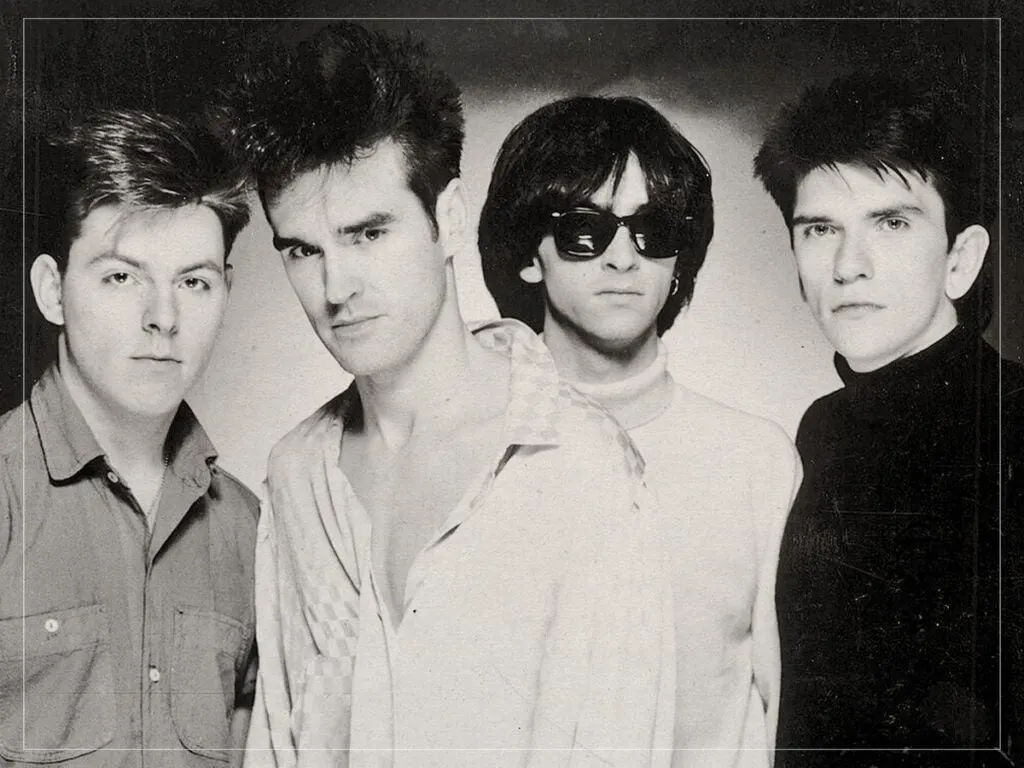
Johnny Marr has revealed that two cover songs represent the only low points of The Smiths' otherwise flawless recording career. The guitarist felt pushed into recording unnecessary B-sides during the band's final session in May 1987, particularly a Cilla Black cover that epitomised the creative tensions emerging within the group.
Of the 74 songs The Smiths recorded, Marr considers just two to be inferior: "Work Is A Four Letter Word" by Cilla Black (recorded in 1987) and "Golden Lights" by Twinkle (1986). Both were released as B-sides against Marr's wishes, and he felt they didn't belong alongside The Smiths' original material. The final recording session was particularly exhausting, with Marr desperate for a holiday after five years of relentless work. He fought hard against recording the Cilla Black cover and later reflected that it was the "last straw" for the band.
- Johnny Marr identifies two Smiths cover songs as "low points" of the band's career
- "Work Is A Four Letter Word" (Cilla Black) and "Golden Lights" (Twinkle) were unwanted B-sides
- The final 1987 recording session revealed growing creative tensions within the band
New here? Start with this
The Smiths were an English rock band of the 1980s fronted by singer Morrissey and guitarist Johnny Marr. Known for their distinctive guitar-driven sound, the band was active between 1982 and 1987 and remains an influential presence in rock history.
Over their career, The Smiths recorded 74 songs, but Marr has identified just two as falling short of their usual standard: cover versions of songs by other artists that were released as B-sides (tracks included on the reverse of singles). Marr never wanted to record these particular cover songs and felt they were beneath the band's original material.
By their final recording session in May 1987, creative disagreements were emerging within The Smiths, with Marr frustrated by decisions over which material to record. After five years of constant work, Marr was exhausted and these tensions ultimately contributed to the band's dissolution that year.