The 10 Most Cringeworthy Movies of All Time, Ranked
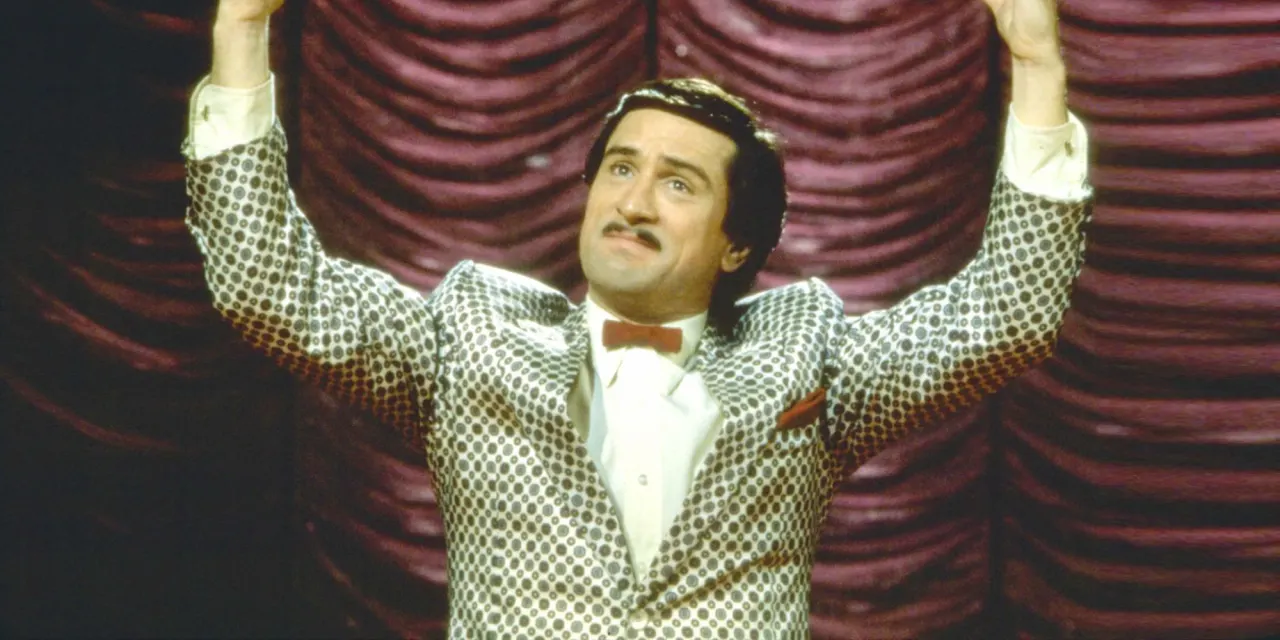
The article ranks films that deliberately, or at times unexpectedly, make viewers squirm, arguing that discomfort can be an effective part of comedy and drama. It presents the films as accomplished but often difficult watches, rather than using “cringeworthy” simply as an insult.
Its examples span broad comedy, dark anthology stories, dystopian surrealism and family drama. There’s Something About Mary earns its place through crude scenes, Wild Tales turns social conflicts into escalating dark comedy, Brazil overwhelms with a chaotic vision of a dystopia, and Krisha draws discomfort from a tense Thanksgiving reunion. The supplied article text ends partway through its discussion of Krisha, so it does not include the full ranking.
- The ranking treats cringe as an effective filmmaking tool.
- Its selections range from comedies to intense family drama.
- Krisha’s realistic family tensions make it a particularly tough watch.
New here? Start with this
Some films are deliberately made to create discomfort, using moments that make audiences squirm or cringe as an intentional part of their storytelling. This article ranks ten such films that succeed on their own terms by provoking embarrassment, unease and awkwardness. Rather than being considered failures, these are accomplished works by directors who understand how to trigger specific reactions in their viewers.
The films span different decades and genres, from broad comedy to dystopian surrealism to intimate family drama. Directors have achieved discomfort through various techniques: crude jokes and shocking scenes, escalating everyday social conflicts into dark situations, overwhelming visual chaos, and building tension in family moments. Each demonstrates a different approach to making audiences feel uncomfortable.
These films matter because they illustrate that discomfort can be a deliberate creative choice rather than a sign of poor filmmaking. Understanding how filmmakers use such techniques shows that cinema can affect audiences in many different ways, extending well beyond conventional entertainment or emotional comfort.
Both sides, in good faith
The strongest fair case each way — we don't pick a winner.
The case for
Discomfort represents a significant artistic tool when wielded intentionally. Films like Krisha or Brazil succeed precisely because they refuse comfortable reassurance, creating visceral experiences that provoke genuine emotional and intellectual engagement. This willingness to unsettle audiences demonstrates both creative courage and effective storytelling, resulting in cinema that lingers and transforms viewers in ways safer entertainment cannot achieve.
The case against
Prioritising discomfort as a ranking criterion mistakes intensity of reaction for artistic quality. Many poorly constructed or manipulative films provoke unease without demonstrating genuine craft or merit. Film criticism should centre on narrative strength, character development, directorial vision and intentional storytelling, not on how acutely films make audiences squirm. Accessibility and emotional depth need not be incompatible with artistic excellence.