The 1968 song that proved John Lennon needed to leave The Beatles: “You have no idea what you’re talking about”
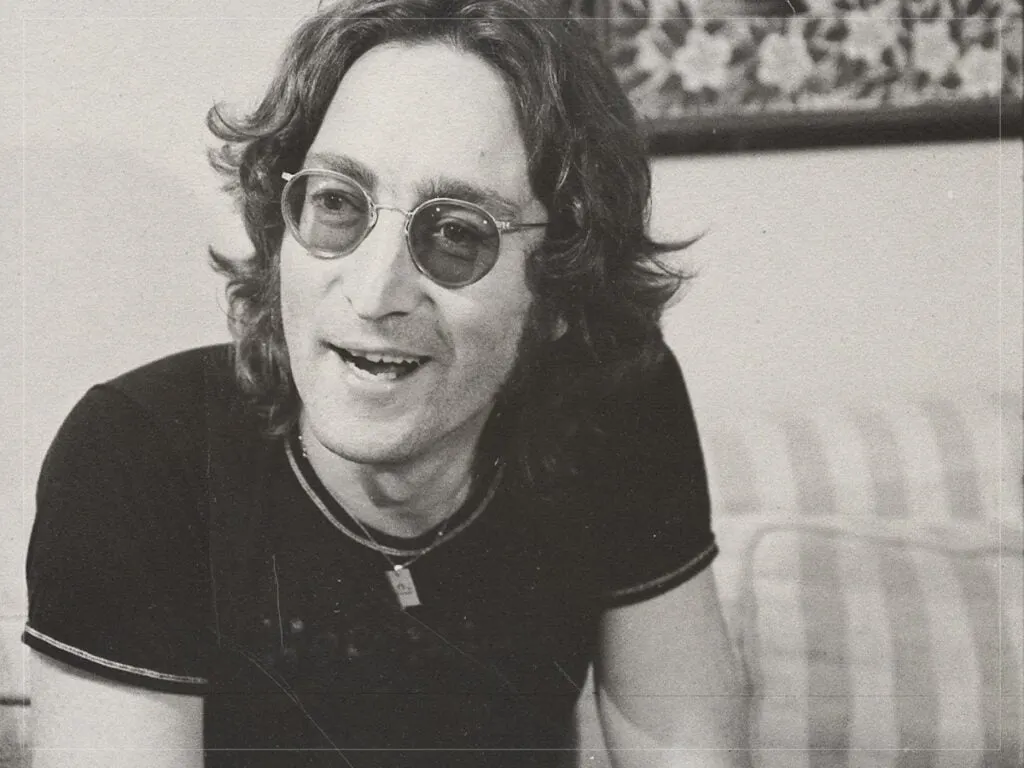
‘Revolution 9’, John Lennon’s experimental sound collage for The Beatles’ 1968 White Album, exposed a divide over the band’s musical direction. Lennon wanted it to be their next single and a model for future work, while Paul McCartney’s lukewarm response prompted Lennon to dismiss his opinion.
The article presents this disagreement as an early sign that Lennon’s artistic ambitions no longer fitted comfortably within the group. It says his interest in avant-garde music, developed in part through work with Yoko Ono, carried into his solo career, where his experiments sometimes drew criticism and limited the appeal of his songs.
- Lennon championed ‘Revolution 9’ as the Beatles’ future.
- McCartney’s reaction showed a sharp creative divide.
- Lennon’s experimental direction later shaped his solo work.
New here? Start with this
The Beatles were a British band made up of John Lennon, Paul McCartney, George Harrison and Ringo Starr. By 1968, the four were increasingly pursuing different musical interests, even as they continued to record together.
Lennon had become interested in avant-garde music, which often uses sounds and methods outside familiar song structures. His work with artist Yoko Ono was part of this exploration. McCartney was also an influential songwriter and musician in the band, but the two did not always agree on which direction its music should take.
The disagreement matters as background to the Beatles’ eventual break-up and to Lennon’s later solo work. It reflects a tension between experimenting with sound and making music that could reach a broad audience.
Both sides, in good faith
The strongest fair case each way — we don't pick a winner.
The case for
Lennon’s push for “Revolution 9” reflected a serious artistic case for letting the Beatles take risks rather than repeat familiar successes. The collage, shaped by his interest in avant-garde music, could be seen as an attempt to expand what a popular single and the band’s future work might be, even if its audience was uncertain.
The case against
McCartney’s reservations can be understood as a reasonable concern about whether the collage worked as a Beatles single or served the band’s shared direction. A group making music for a broad audience had to weigh experimentation against coherence and commercial reach, and disagreement over that balance could signal a growing mismatch in artistic aims.