The 2012 movie Gena Rowlands was banned from starring in: “I’m not unhappy about how it turned out”
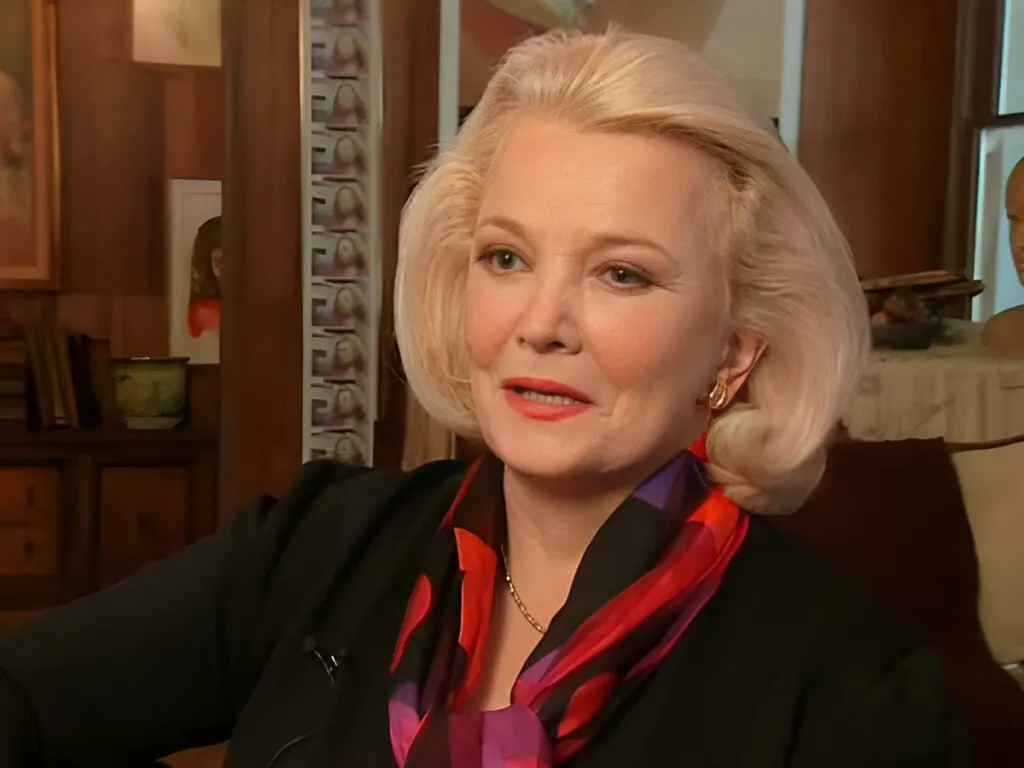
Gena Rowlands was removed from the cast of the Australian thriller *Last Dance* after her work visa was denied in 2011. The decision followed a dispute over foreign actors in a film industry that relies on public funding, making the case an example of how visa and funding rules can shape casting.
Rowlands was due to play Ulah Lippman, an elderly Holocaust survivor taken hostage after a failed synagogue bombing. Australian actor Julia Blake replaced her two weeks before filming began; director David Pulbrook said he was pleased with the change, while producer Antony Ginnane argued Rowlands’ name had helped the film attract international interest. Actors Equity Australia opposed easing visa rules for foreign performers, saying it could limit opportunities for local actors.
- Rowlands’ visa for *Last Dance* was denied.
- Julia Blake took over the role shortly before filming.
- The casting dispute reflected tensions over jobs for Australian actors.
New here? Start with this
Last Dance is an Australian thriller about an elderly Holocaust survivor who is taken hostage after a failed bombing at a synagogue. The film was made in an industry where public funding and rules on work visas can affect which actors are hired.
Gena Rowlands, an American actor, was originally cast as the survivor, Ulah Lippman. Australian actor Julia Blake took the role instead; the casting dispute reflected wider concerns about balancing opportunities for overseas performers with work for Australian actors.
Both sides, in good faith
The strongest fair case each way — we don't pick a winner.
The case for
Requiring productions that receive public support to prioritise local performers can help sustain Australian actors’ employment and develop the domestic industry. Actors Equity’s position reflects concern that loosening visa rules for high-profile foreign stars could reduce opportunities for local talent, especially in a sector with limited roles.
The case against
Allowing experienced foreign actors to work when a production has a strong artistic or commercial reason can broaden casting choices and help films attract international attention. In this case, the producer said Rowlands’ name could raise the film’s profile, while the director was pleased with the replacement; advocates of more flexible rules could argue that visa decisions should leave room for such project-specific judgement.