Business news and discussion on TalkFuse.
The 2028 presidential race is already full of surprises, prediction markets say
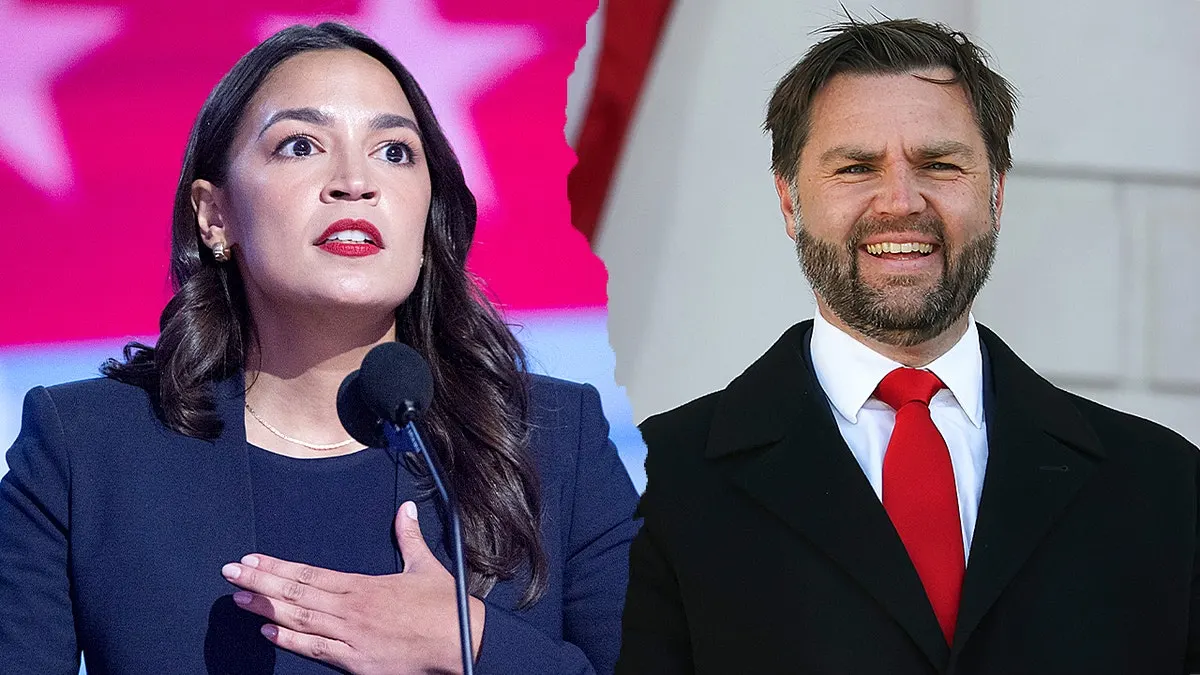
Prediction markets are already drawing heavy interest in the 2028 US presidential race, with nearly half a billion dollars traded on Kalshi despite the election being two years away. The figures offer an early snapshot of who traders see as potential contenders, but they are not precise forecasts this far ahead.
Georgia Senator Jon Ossoff leads the Democratic nomination market at 26%, while Vice-President JD Vance leads the Republican field at 33%; traders put Vance’s chance of winning the presidency at 12%. Gavin Newsom’s Democratic odds have fallen from 37% to about 12%, while Alexandria Ocasio-Cortez is at 13%. On the Republican side, Marco Rubio is at 18% and Ron DeSantis has risen from below 5% to 17% since the midterms. The article also names several Democrats, including Kamala Harris, as single-digit contenders.
In short
- Kalshi’s 2028 markets have drawn nearly $500 million in trades.
- Ossoff leads Democrats; Vance leads Republicans for their nominations.
- Early odds are a snapshot, not a precise election forecast.
Explained simply
US presidential elections are held every four years, and the next one is scheduled for 2028. Before voters choose a president, political parties select their nominees through state contests and other voting processes.
Prediction markets let people trade contracts linked to possible outcomes, such as who will win a party’s nomination. Their prices can indicate how likely traders think an outcome is, but they reflect trading activity and can change; they do not establish who will run or predict the result with certainty.
The main parties are the Democrats and Republicans, whose nominees compete in the general election. Senators and governors mentioned in the race hold elected roles, while the vice-president is part of the current administration; their prominence may shape how closely people follow the contest and how traders assess possible candidates.