Entertainment news and discussion on TalkFuse.
The Big Call of Duty: Modern Warfare 4 Interview — Infinity Ward on the Beta, Matchmaking, and Much More
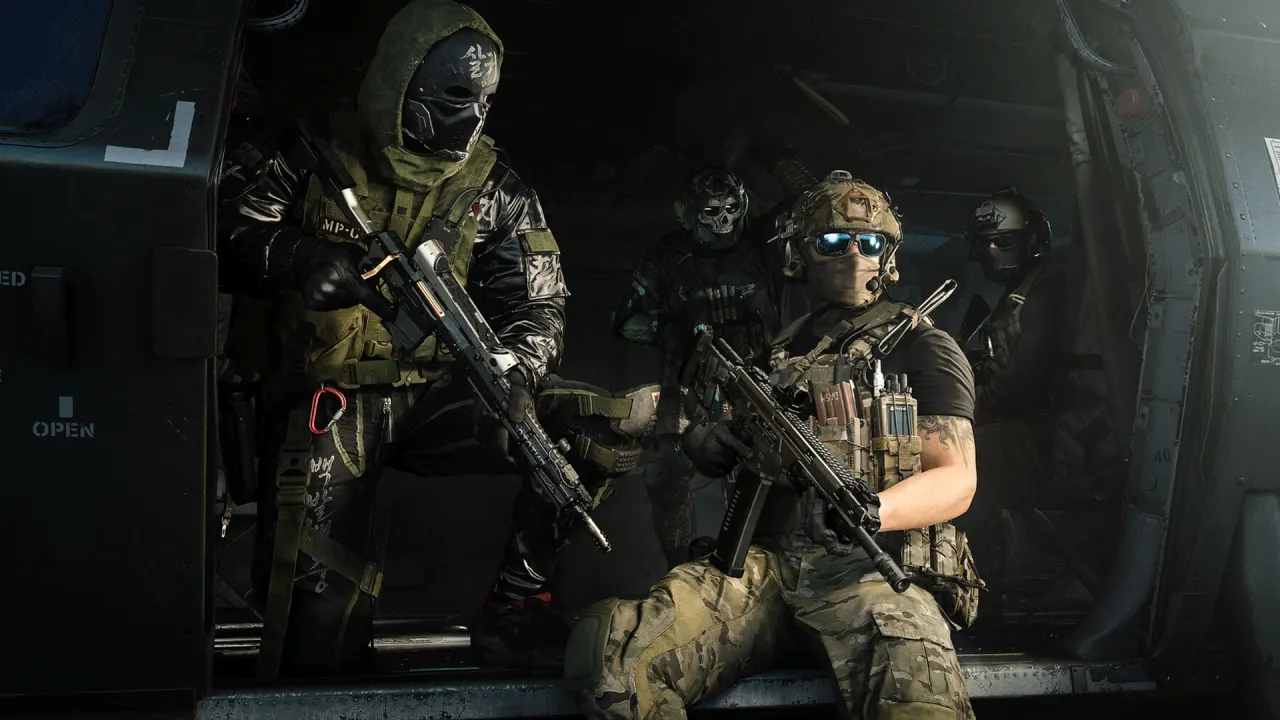
IGN interviewed Infinity Ward's Joe Cecot (Studio Multiplayer Creative Director) and Jacky Reynolds (Multiplayer Design Lead) ahead of the Call of Duty: Modern Warfare 4 beta, discussing gameplay, matchmaking and player feedback four years after Modern Warfare 2's divisive reception. The conversation matters because it signals how the studio is responding to fan criticism of that game's tactical pacing and aggressive skill-based matchmaking, ahead of a new instalment fans hope will course-correct.
A key talking point was news that the MW4 beta will use a new matchmaking system first trialled in Black Ops 7 in July, which the developers described as data-driven but still divisive among players. Cecot said Treyarch and Demonware had shared matchmaking data openly to inform Modern Warfare's approach, weighing player perception against metrics like quit rates and churn, while Reynolds stressed matchmaking remains an ongoing conversation rather than a solved problem, noting neither he nor Cecot directly controls that system. The interview also touched on the decision to include a campaign level in the beta for the first time.
In short
- Infinity Ward previews Modern Warfare 4 ahead of its beta weekend.
- Beta will use new matchmaking system trialled in Black Ops 7.
- Developers call matchmaking an ongoing, data-driven conversation, not solved.
Steelman: both sides, in good faith
The strongest fair case each way — we don't pick a winner.
The case for
The data-driven approach delivers objective improvements in player experience by creating balanced matchmaking where skill levels are appropriately distributed, directly addressing the common frustration of mismatched games. By measuring tangible metrics like quit rates and churn, developers can identify and solve genuine problems in their system. The developers' openness to ongoing refinement and player feedback suggests this isn't a top-down imposition but an evolving system designed to keep the community engaged and the game sustainable for years to come. Ultimately, providing players with fair competitive matches respects their time and builds long-term community health.
The case against
Whilst data metrics reveal some aspects of player satisfaction, they can obscure what matters most—whether players are having fun in ways they freely choose. Aggressive skill-based matchmaking removes player agency; casual gamers who want relaxed sessions with friends end up in harder competitive matches, contradicting their actual preferences. Players reasonably value variety in their play experience rather than constant, algorithm-determined optimal matching, and data-driven systems may optimise for retention metrics whilst missing the spontaneous enjoyment and social fun that historically defined the franchise. The best matchmaking respects player choice and community diversity rather than imposing a singular, data-optimised match structure.
Explained simply
Call of Duty is a long-running series of military action games, with separate studios taking turns to make new instalments. Infinity Ward is the studio behind the Modern Warfare games; Joe Cecot and Jacky Reynolds work on their multiplayer design.
Matchmaking is the system that puts players together for online matches, often using information such as skill level. Players have debated how strongly it should favour evenly matched games, as that can affect how competitive or varied matches feel. Modern Warfare 2, released four years before this instalment, drew criticism from some players over its slower, more tactical pace and matchmaking.
The debate matters because player feedback can shape how a new game is designed and how its online community develops. Call of Duty studios also share research and data, while different teams have responsibility for different parts of the game.
Call of Duty Entertainment Gaming