The brutal early reaction to a 1994 Oasis classic: “Soul-destroying”
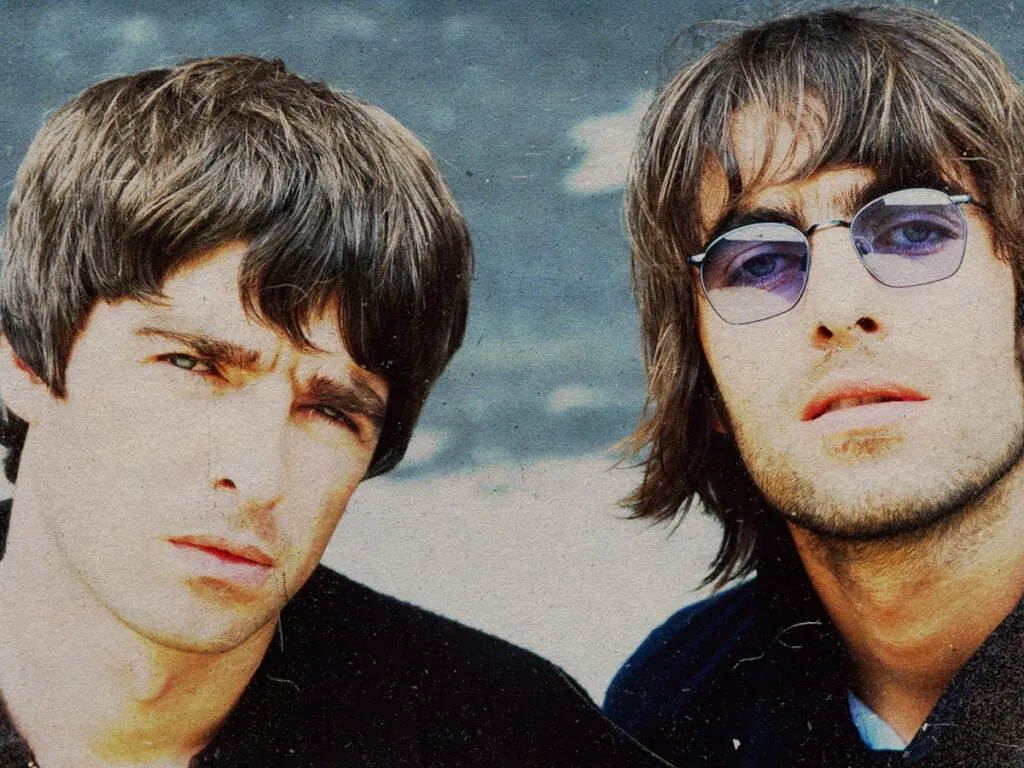
Noel Gallagher's first song for Oasis, "Columbia," was met with indifference when the band performed it at their debut gig at Manchester's Boardwalk club in 1991. The six-minute rock-dance hybrid was received as a "soul-destroying" disappointment, with Gallagher recalling the audience's blank stares and what he described as a "bowl of silence." Despite this calamitous beginning, the track would eventually appear on Oasis's classic 1994 debut album "Definitely Maybe."
"Columbia" originated as an instrumental jam before basic lyrics were added, with band members later disputing who wrote the words (Gallagher claimed 90 per cent authorship, though all were "on acid at the time"). Rhythm guitarist Paul 'Bonehead' Arthurs, however, cited it as his favourite song to play live, thanks to its simple chord structure. The track was named after the Columbia Hotel in West London, which became legendary as a hub of Britpop debauchery.
- First Oasis composition received complete silence at 1991 debut
- Six-minute rock-dance track met soul-destroying blank stares
- Despite flopping initially, it appeared on Definitely Maybe
New here? Start with this
Oasis were a major British rock band of the 1990s, fronted by brothers Liam and Noel Gallagher, who became one of the most important acts of the Britpop movement. "Columbia" was a song written by Noel Gallagher that the band performed at their debut gig at Manchester's Boardwalk club in 1991.
At that performance, the song drew an indifferent response from the audience. Gallagher later recalled this as a deeply disappointing moment, describing blank stares and an absence of any audible reaction from the crowd.
Despite this poor initial reception, "Columbia" was eventually included on Oasis's 1994 debut album "Definitely Maybe," which became a hugely successful and influential record. The song's path from being rejected at the band's first gig to becoming part of a classic album reflects the rapid rise to prominence that Oasis experienced during the 1990s.