The Ceuta crisis isn’t over – it’s only just begun: Politicians like Andy Burnham claim 98% of the African migrants who invaded the Spanish enclave have returned home… but the truth is alarmingly different, finds SUE REID
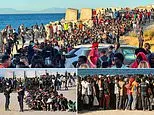
A Daily Mail investigation by Sue Reid disputes claims by politicians, including the UK prime minister, that the migration crisis in the Spanish enclave of Ceuta has largely subsided. Around 60,000 people from across Africa entered the North African territory during a mass border crossing at the end of July, and while many adults have since returned to Morocco, the report says thousands of unaccompanied minors remain and show no intention of leaving, undermining assurances such as Andy Burnham's claim that 98% of arrivals have gone home. The situation carries wider implications for migration policy across the EU and Britain, both already grappling with sustained irregular migration.
The reporter says she spoke to 50 young migrants over two days and estimates between 2,000 and 4,000 boys, some as young as 11 or 12, are still living rough in Ceuta, sleeping in doorways, on pavements and in makeshift shelters built from old beds and bathtubs on an industrial estate. Many are reported to be waiting outside the police station for paperwork that would let them travel by ferry to mainland Spain, but with Spanish prime minister Pedro Sanchez on holiday in Lanzarote, officials in Madrid have given no indication such permits will be granted. Ceuta, just seven square miles in area, saw local families reportedly barricade themselves indoors amid looting and unrest during the initial influx, which some residents blamed partly on social media messaging encouraging young Africans to travel via the enclave towards European cities.
In short
- Report disputes claims that Ceuta's migrant crisis has largely ended.
- Up to 4,000 young migrants, some children, remain stranded there.
- Spanish authorities have given no sign of resolving their status.
Steelman: both sides, in good faith
The strongest fair case each way — we don't pick a winner.
The case for
Politicians highlighting that roughly 98% of the initial 60,000 arrivals have returned to Morocco are referring to the end of the extraordinary mass-crossing event, which represents effective crisis containment. The remaining unaccompanied minors, whilst requiring compassionate longer-term welfare and processing responses, constitute a distinct issue separate from managing a mass migration surge. This distinction between resolving the acute emergency and the ongoing challenge of child safeguarding is reasonable and not inherently misleading.
The case against
If thousands of vulnerable unaccompanied children remain living rough without shelter or documentation, then characterising the situation as substantially resolved is misleading regardless of what percentage of adults returned. These minors remain part of the original migration crisis, and their continued presence in difficult conditions demonstrates the underlying instability persists. The lack of government action to process their paperwork suggests the political narrative of crisis resolution is premature and obscures the reality facing vulnerable young people.
Explained simply
Ceuta is a small Spanish territory on the North African coast, bordered by Morocco and separated from mainland Spain by the Mediterranean. Its position makes it a route for people hoping to reach Europe, and its border can become a focus of migration pressures involving Spain, Morocco and the wider EU.
During a mass crossing in July, tens of thousands of people entered Ceuta from Morocco. Many were adults, while some arrivals were children travelling without parents or guardians. Spanish authorities and local services have to decide how to manage their care and whether they can travel on to mainland Spain.
The issue matters beyond Ceuta because Spain and other European countries are debating how to handle irregular migration and protect children who arrive alone. Their policies also shape wider discussions in Britain about migration and border control.
Africa Government Politics World