Culture news and discussion on TalkFuse.
The clock’s ticking for a ‘Greenwich Moon time’ as world powers eager to exploit lunar resources
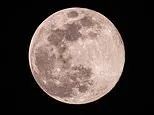
Space agencies and researchers are working towards establishing a standardised lunar time system, sometimes dubbed "Greenwich Moon Time", as growing international interest in exploiting the Moon's resources makes a shared timekeeping framework increasingly urgent. Currently, missions to the Moon rely on the timekeeping systems of whichever country or agency launched them, creating a lack of coordination that could complicate navigation, communications and safety as more nations and private companies plan lunar landings and bases.
The push for a unified lunar time standard reflects the practical challenges of coordinating multiple simultaneous missions from different countries, echoing how Greenwich Mean Time was established on Earth to standardise timekeeping across nations for navigation and trade. Organisations including NASA and the European Space Agency have been examining how such a system might work, given that time passes slightly differently on the Moon due to its weaker gravity, meaning lunar clocks would drift from Earth-based ones over time. Establishing this framework is seen as an increasingly pressing task as government space agencies and private firms accelerate plans to extract lunar resources such as water ice and minerals.
In short
- A standard "Moon time" system is being developed for lunar missions
- Current lack of coordination could hinder navigation and safety
- Driven by growing interest in mining lunar resources
Explained simply
Lunar missions have so far used the clocks and time systems of the countries or agencies running them. As more missions are planned, different systems could make it harder to coordinate navigation, communications and safety.
NASA, the US space agency, and the European Space Agency are among those examining a shared lunar time standard. The idea echoes the role of Greenwich Mean Time on Earth, where a common reference helps coordinate activity across borders.
The Moon’s weaker gravity affects how quickly clocks run, so a lunar time system would need to account for differences from Earth time. A common standard could help as governments and private companies plan missions and consider using lunar water ice and minerals.
Art Culture Elections Politics Space Technology World