World news and discussion on TalkFuse.
The danger lurking in Russia’s frozen wars
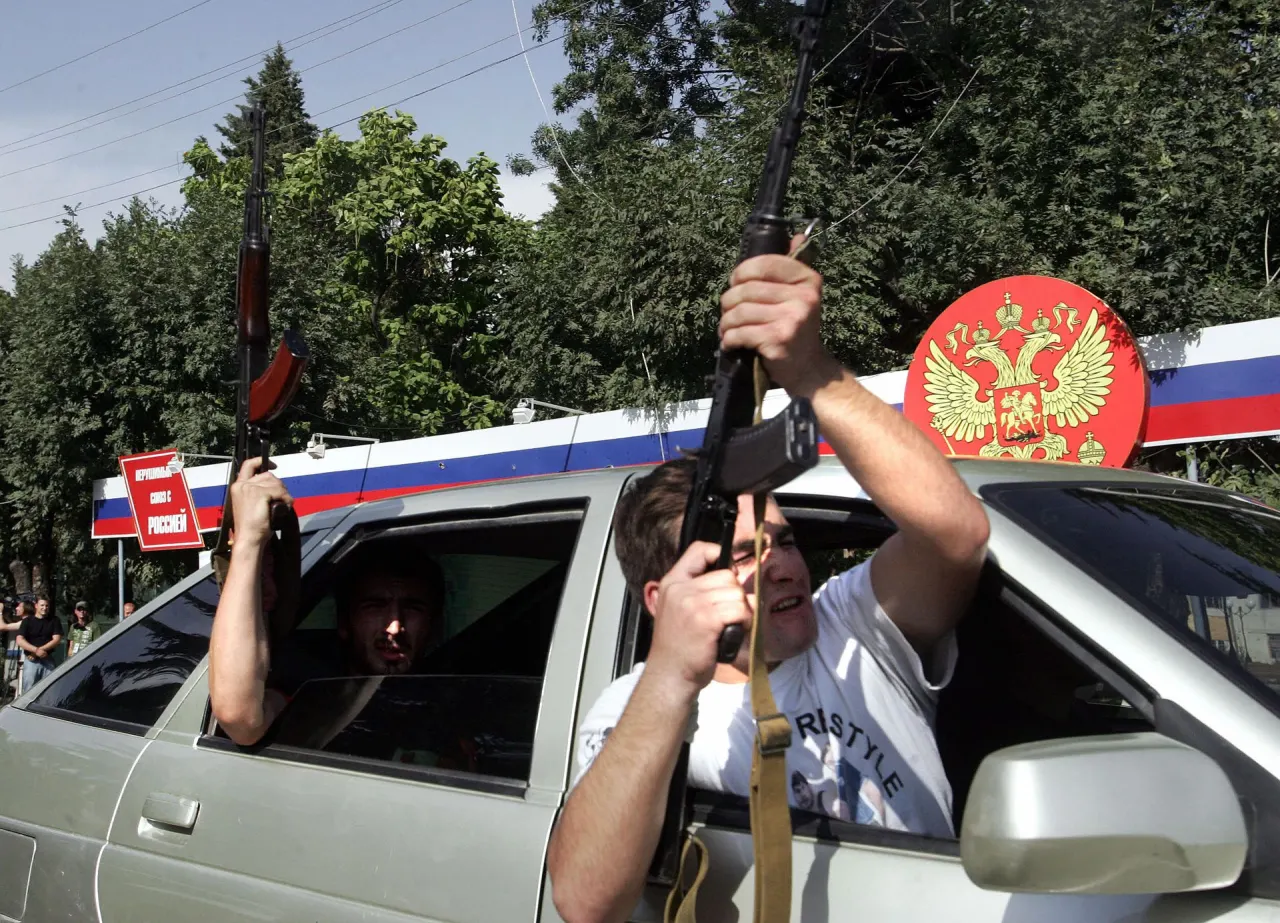
The article argues that Russia’s frozen conflicts in Georgia show how ceasefires without accountability or credible security guarantees can preserve conditions for renewed aggression. It warns that a settlement in Ukraine which leaves Russia able to regroup could create another unstable conflict, with risks for Ukraine and the wider Black Sea region.
Russia occupies about 20% of Georgia, including Abkhazia and the Tskhinvali Region, also known as South Ossetia. The article says Russian intervention in the 1990s displaced more than 200,000 people, predominantly Georgians, from Abkhazia, and the 2008 war caused further displacement from Tskhinvali; victims have not received justice. It also points to frozen conflicts in Moldova’s Transnistria and Ukraine’s Donbas and Crimea, arguing that these cases should inform debates about peace and security.
In short
- Georgia’s frozen conflicts illustrate risks of peace without safeguards.
- More than 200,000 people were displaced from Abkhazia.
- The article urges accountability and security guarantees in any Ukraine settlement.
Steelman: both sides, in good faith
The strongest fair case each way — we don't pick a winner.
The case for
Georgia’s experience supports the warning that a ceasefire without accountability, credible security guarantees or a path for displaced people to return can leave the causes of conflict unresolved. From this perspective, any settlement in Ukraine should reduce Russia’s ability to renew its attack, since an unstable pause could endanger Ukrainians and the wider Black Sea region.
The case against
A negotiated ceasefire can still prevent immediate deaths and create space for diplomacy, even if it does not settle every dispute or deliver justice at once. Advocates of prioritising a workable halt to fighting could argue that Ukraine’s circumstances differ from Georgia’s, and that a settlement’s value should be judged by the security it can provide in practice rather than by whether it eliminates every future risk.
Explained simply
Georgia became independent after the Soviet Union broke up, and conflicts in Abkhazia and South Ossetia led to fighting and displacement in the 1990s. Russia later fought a war with Georgia in 2008; Russian forces have since remained in the two regions, which make up about a fifth of Georgia’s territory.
The ceasefires left the regions outside Georgia’s control, while many displaced people have not been able to return and victims have not received justice. Similar unresolved conflicts have involved Moldova’s Transnistria and Ukraine’s Donbas and Crimea.
These cases matter to discussions about how to end wars: a ceasefire may stop fighting without settling territorial disputes or ensuring lasting security. The terms of any settlement can affect whether fighting resumes and the security of neighbouring areas around the Black Sea.