Entertainment news and discussion on TalkFuse.
‘The Devils’: how a controversial erotic horror from the 1970s has become the hottest film of the year
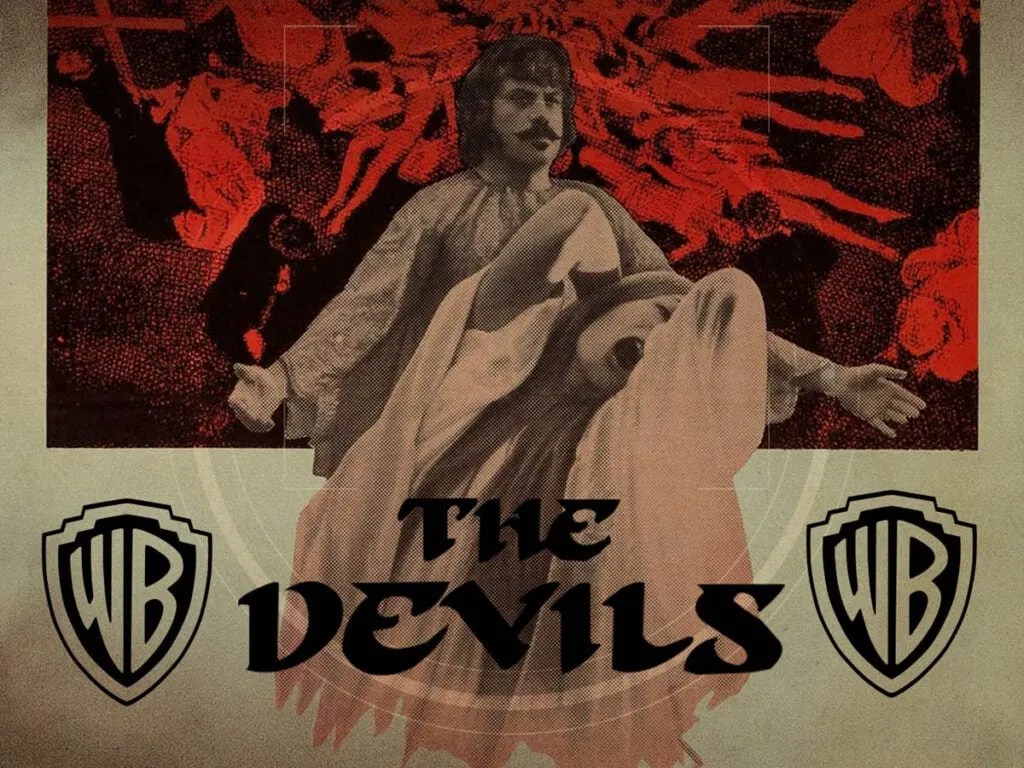
Ken Russell’s *The Devils* has returned to cinemas in a restored 4K version, uncut for the first time, prompting a wave of online memes and renewed interest, particularly among younger viewers. The article argues that the film’s provocative reputation and its current popularity show how audiences are discovering older, challenging cinema through contemporary internet culture.
Released in 1971, the film was heavily censored and banned in some places for its explicit depictions of sex and religion. Its story uses the supposed possession of nuns as a means of political manipulation, leading to the death of Father Urbain Grandier, played by Oliver Reed. The BFI’s trailer uses electronic music and bold visuals associated with recent pop culture, while memes have also focused on Reed’s appearance; the writer welcomes the new attention but worries that meme-led marketing can reduce the film to a trend.
In short
- *The Devils* returns uncut in a restored 4K cinema release.
- Memes and pop-inspired marketing are drawing younger viewers.
- The film’s political themes risk being overshadowed by its viral image.
Steelman: both sides, in good faith
The strongest fair case each way — we don't pick a winner.
The case for
The restoration and its contemporary marketing can introduce younger audiences to a formally daring film they might otherwise miss, while memes provide an accessible way into its unusual mix of religious, sexual and political themes. Renewed attention may also help audiences encounter the uncut version and consider why the film provoked censorship in the first place.
The case against
Presenting the film chiefly through provocative imagery and memes risks turning its difficult subject matter into a short-lived spectacle, detached from the political and artistic questions that give it substance. If viewers arrive expecting only shock or a cult trend, the marketing may narrow rather than deepen understanding of the film.