Culture news and discussion on TalkFuse.
The director who accused Martin Scorsese of making “terrible movies that nobody needs”
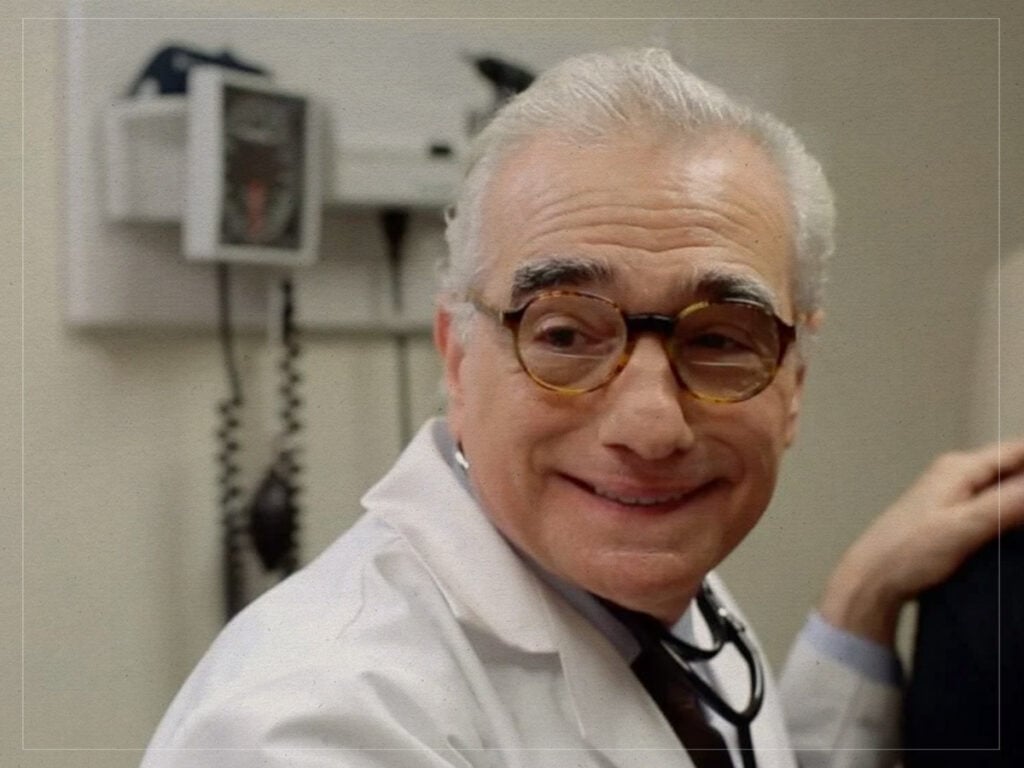
Danish director Nicolas Winding Refn once criticised Martin Scorsese’s films as “terrible movies that nobody needs”, arguing that the celebrated filmmaker had become overly nostalgic and disconnected from contemporary cinema. The remark matters because it came from a prominent modern director challenging one of Hollywood’s most influential and widely respected auteurs.
Refn made the comments while discussing Scorsese’s 2019 crime epic *The Irishman*, which he viewed as an example of cinema repeatedly revisiting familiar gangster stories. His criticism reflects a broader debate over whether established directors’ late-career work offers meaningful new ideas or relies too heavily on past successes; Scorsese remains acclaimed for films including *Taxi Driver*, *Raging Bull*, *Goodfellas* and *Killers of the Flower Moon*.
In short
- Nicolas Winding Refn criticised Martin Scorsese’s films as unnecessary.
- He singled out Scorsese’s nostalgic return to gangster cinema.
- The comments highlight debate over legacy filmmakers’ relevance.
Steelman: both sides, in good faith
The strongest fair case each way — we don't pick a winner.
The case for
Established filmmakers can retreat into familiar territory rather than pursuing bold new risks, letting past accomplishments substitute for genuine artistic progression. Scorsese's recent films, including The Irishman, revisit gangster narratives and themes he has already thoroughly explored, raising legitimate questions about whether such work represents artistic advancement or nostalgia packaged for critical acclaim. Cinema arguably benefits when senior directors challenge themselves beyond comfortable ground rather than relying on proven formulas.
The case against
Scorsese's later work demonstrates artistic maturity rather than mere repetition; revisiting themes across a lifetime can show creative integrity and deepening insight rather than laziness. The Irishman contains substantial new perspectives on mortality, legacy, and human connection that mark genuine artistic development shaped by decades of experience. Dismissing such technically masterful and thematically sophisticated filmmaking as terrible and unnecessary underestimates how established directors bring irreplaceable craft and wisdom that pursuing novelty alone cannot match.
Explained simply
Martin Scorsese is one of cinema's most celebrated directors, with a career spanning decades and films including *Taxi Driver*, *Raging Bull* and *Goodfellas* that are widely regarded as masterpieces. Nicolas Winding Refn is a respected Danish film director known for contemporary crime dramas. Recently, Refn made critical comments about Scorsese's work, describing it as disconnected from modern filmmaking.
Specifically, Refn criticised Scorsese's 2019 film *The Irishman*, a crime epic that Refn felt exemplified a problem: established directors repeatedly returning to familiar gangster stories rather than exploring fresh territory. Refn's remark that Scorsese's films were "terrible movies that nobody needs" drew attention because it represents a rare public challenge to one of Hollywood's most influential figures.
The row touches on a broader question in cinema: whether ageing directors' recent work continues to offer meaningful artistic innovation, or whether it relies too heavily on revisiting past glories. For Scorsese, the debate concerns one of Hollywood's most productive and acclaimed late-career periods.
Art Culture Entertainment Film