Politics news and discussion on TalkFuse.
The election brought a wave of historic firsts. Here are some groundbreaking winners
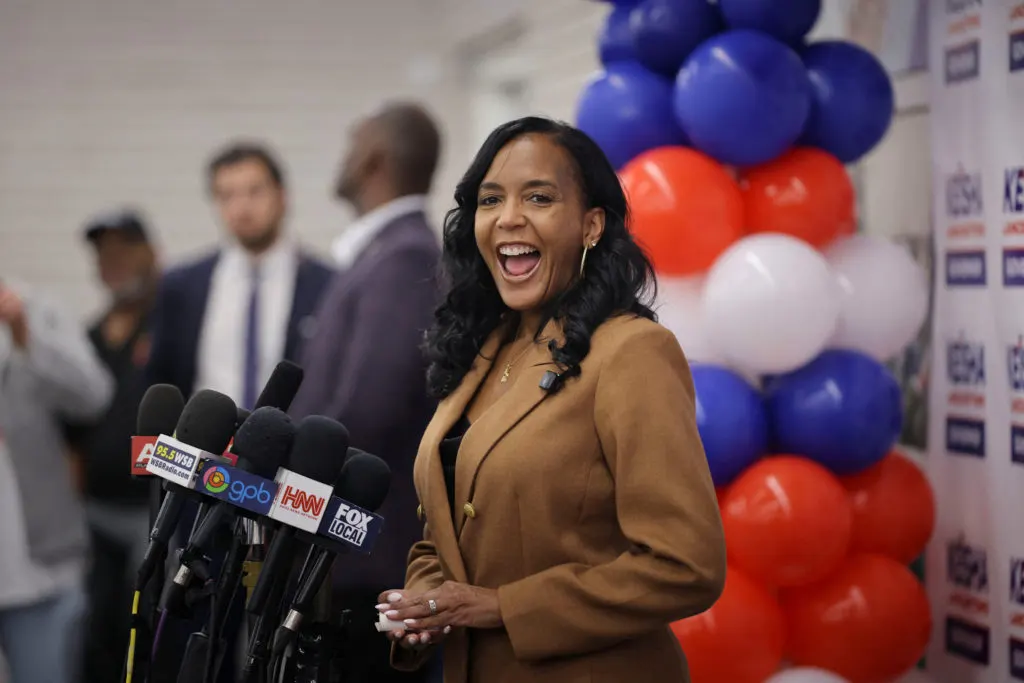
The election produced a series of historic firsts, with voters choosing candidates from groups long under-represented in high office. The article says the results include the first Black woman governor, the first Native American woman governor, the first Native American woman senator and the first openly gay man elected to the US Senate, alongside a Muslim senator elected by early Wednesday.
Deb Haaland won New Mexico’s governorship, becoming the first Native American woman to hold the role, while Minnesota’s Peggy Flanagan became the first Native American woman senator. Georgia elected Keisha Lance Bottoms as the first Black woman governor, and Maine’s Graham Platner became the first openly gay man elected to the Senate; Michigan’s Abdul El-Sayed also won, becoming its first Muslim senator. Alaska’s Mary Peltola’s Senate race was still being counted, and Democrats’ gains could lead to the first Black House speaker.
In short
- Deb Haaland made history as New Mexico’s first Native American woman governor.
- Peggy Flanagan became the first Native American woman elected to the Senate.
- Several other firsts included a Black woman governor and a Muslim senator.
Explained simply
The United States elects governors to lead individual states and senators to represent them in Congress, the national legislature. The Senate has two members from each state, while the House of Representatives has members allocated according to population; its speaker leads the House.
Women and people from racial, ethnic and religious minorities have historically been under-represented in these offices. The firsts described in the story concern who has held or been elected to particular roles, rather than changes to how those offices work.
Governors oversee state governments, while senators vote on national laws and confirm some senior government appointments. Who holds these roles can affect which experiences and priorities are represented in decisions at state and national level.