Video games news, releases, esports and culture — all the biggest gaming stories in one place.
The Evolution of Marvel Fighting Games
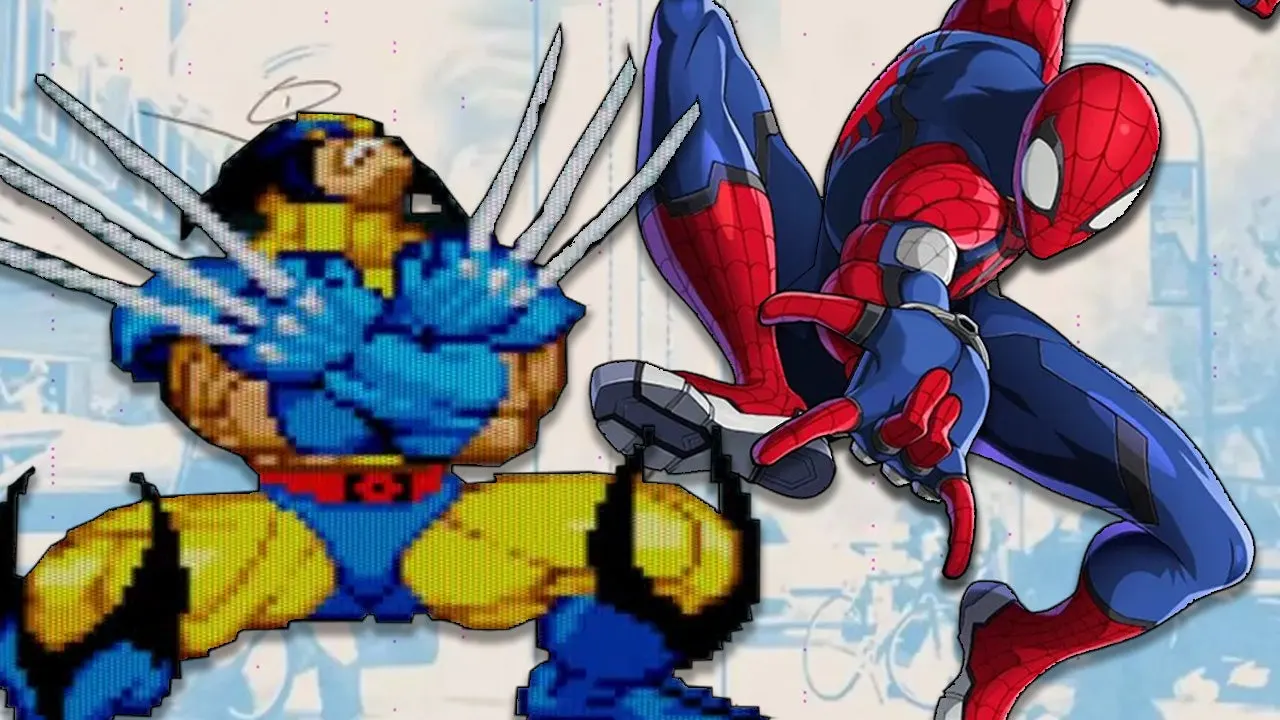
This IGN retrospective traces the 32-year history of Marvel fighting games, beginning with Capcom's 1994 arcade hit X-Men: Children of the Atom, which repurposed Street Fighter 2 Turbo's engine into a faster, more spectacle-driven format built around Marvel's mutant roster. The piece frames this genre as one of the rare consistent successes in Marvel's often patchy video game history, distinct from the studio's stronger open-world or weaker licensed shooter efforts, and sets up a wider look at the series' evolution through to the upcoming Marvel Tokon: Fighting Souls.
The article details how Children of the Atom introduced faster movement, super jumps and air combos that helped it stand apart from Street Fighter, leading to ports across PlayStation, Sega Saturn and MS-DOS and a sequel, Marvel Super Heroes. It also covers Data East's lesser-known 1995 rival Avengers in Galactic Storm, which, despite commercial failure, pioneered the "Assistant Character" mechanic that would later underpin an entire sub-genre of tag-team fighting games.
In short
- IGN traces 32 years of Marvel fighting games ahead of Marvel Tokon
- 1994's X-Men: Children of the Atom launched Capcom's Marvel fighting series
- Avengers in Galactic Storm (1995) pioneered the "Assistant Character" mechanic
Explained simply
Marvel fighting games are video games in which players control characters from Marvel's universe battling one another. This genre has been one of Marvel's most successful areas in gaming for over 30 years, standing apart from the company's uneven track record with other types of licensed games.
The genre began in 1994 when Capcom released X-Men: Children of the Atom for arcades, building on the Street Fighter 2 formula with faster movement and more visually spectacular action suited to Marvel's characters. The game's commercial success led to ports on multiple gaming systems and a sequel, establishing fighting games as a profitable venture for Marvel.
Data East released a competing title, Avengers in Galactic Storm, in 1995, introducing a system that let players bring a second character into their battles. Although commercially unsuccessful, this innovation influenced how fighting games would develop and showed that Marvel fighting games could advance the genre with new mechanical ideas.