‘The First Taste of Loneliness’ Review: A Sentimental but Affecting Study of Family Life After Bereavement
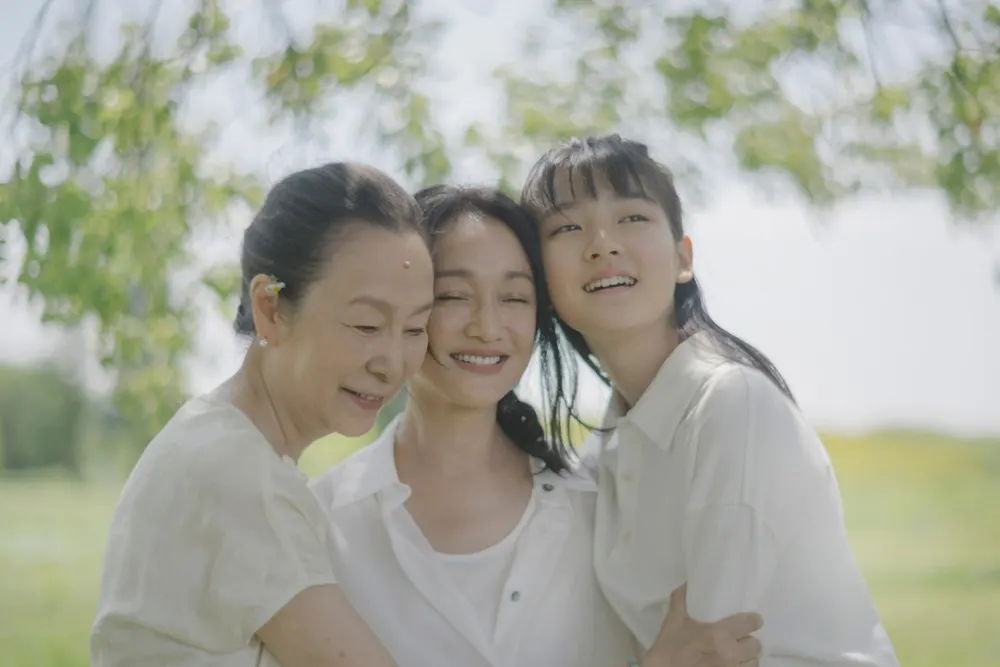
Chinese director Gu You’s “The First Taste of Loneliness” follows three generations of women as they grieve the death of a husband, father and grandfather, then adjust to life without him. The film’s strongest moments come from small domestic details that show how memory and absence shape everyday life, though its heightened grief scenes and emotional songs can feel overly sentimental.
The story centres on Yue, her mother Luna and teenage daughter Moon in their family home in Hangzhou. Yue is recently divorced and rethinking her career and relationships; Luna tentatively welcomes a new romance, while Moon begins making her own choices as she approaches adulthood. The film concludes Gu’s “Landscape” trilogy, which is linked by its melancholic portraits of family life, and pairs intimate character stories with expansive cinematography.
- Three generations navigate grief and change after a family death.
- Everyday details give the film its most affecting moments.
- Gu’s trilogy finale is elegant but sometimes overly sentimental.
New here? Start with this
Chinese director Gu You's "The First Taste of Loneliness" examines how a family adjusts to loss. The film follows three generations of women—a mother, her adult daughter and teenage granddaughter—as they come to terms with the death of a family member and learn to navigate their lives without him.
The story is set in Hangzhou and centres on Yue, who is recently divorced and reassessing her life, alongside her mother Luna and daughter Moon. Each character responds differently to their grief: Luna tentatively explores a new romantic relationship, whilst Moon navigates the choices that come with approaching adulthood.
This film concludes Gu's "Landscape" trilogy, a series linked by its intimate portraits of family life. The trilogy is known for combining detailed character studies with sweeping cinematography, and this final chapter uses small domestic moments to show how grief and memory shape everyday living.
Both sides, in good faith
The strongest fair case each way — we don't pick a winner.
The case for
Grief is profoundly emotional, and depicting this through heightened sentiment and musical accompaniment honours the intensity of loss that audiences recognise in their own experience. The film's approach—combining intimate domestic moments with more expressive emotional scenes—captures the full texture of bereavement, from quiet absence to overwhelming waves of feeling. Such emotional directness, far from being manipulative, represents an honest artistic choice that trusts viewers' capacity to sit with difficult human experience.
The case against
The film's most compelling moments emerge from quiet, domestic detail—the small ways absence reshapes daily life—suggesting that restraint rather than heightened emotion best conveys authentic grief. Sentiment without subtlety risks becoming manipulative, distancing rather than engaging viewers by imposing prescribed emotional responses. Cinema's most enduring examinations of loss achieve their power precisely through understatement, allowing audiences to discover their own feelings rather than having them orchestrated.