Technology news and discussion on TalkFuse.
US datacentres turn to on-site power as grid capacity falls short
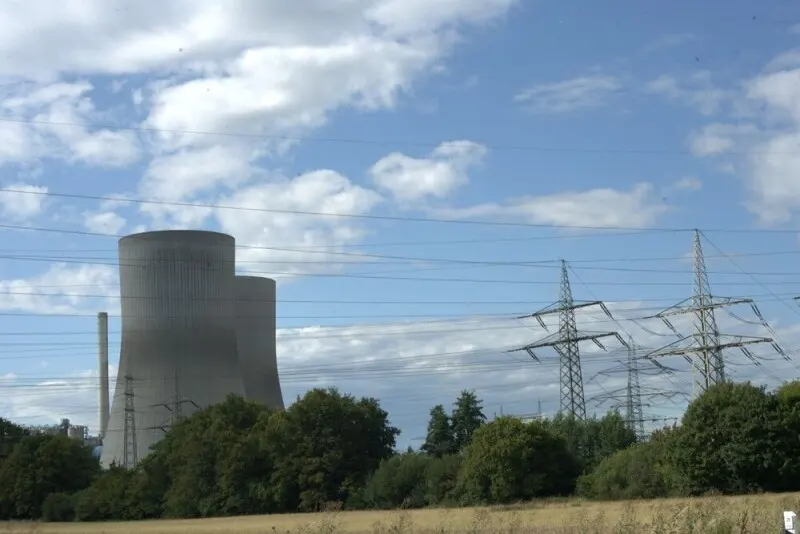
US datacentre operators are increasingly generating and storing electricity on site as grid constraints and lengthy connection queues threaten to slow construction. The shift matters because rising demand, particularly from artificial intelligence, is pushing operators to take a more active role in securing power.
Datacentres currently use about 4 to 5 per cent of US electricity, and the Electric Power Research Institute estimates their share could reach 17 per cent by 2030. More than 2,060 GW of generation and storage projects were seeking grid connections at the end of 2025, while completed projects took a median of over five years to connect. Hyperscalers are pursuing large supply deals, batteries and on-site gas turbines; colocation providers are also turning to local generation, including a proposed 300 MW Virginia project linked to an adjacent gas-fired plant.
In short
- Grid delays are pushing datacentres to generate power on site.
- Datacentres could use 17 per cent of US electricity by 2030.
- Hyperscalers and colocation firms are adopting different power strategies.
Steelman: both sides, in good faith
The strongest fair case each way — we don't pick a winner.
The case for
On-site generation and storage can help datacentres come online when grid connections are delayed, supporting investment and demand for computing without waiting years for new grid capacity. Hyperscalers can fund batteries, microgrids and power agreements, while colocation providers can use them to keep sites near customers; if well integrated, these systems may also improve resilience and ease pressure on constrained networks.
The case against
A rapid shift to behind-the-meter power may entrench fossil-fuel generation, increase emissions and allow large datacentres to secure energy outside ordinary grid planning. Gas plants and dedicated power systems can affect nearby communities, while batteries and microgrids do not remove the need for wider investment in transmission and generation; prioritising facilities this way may leave costs and capacity constraints for other customers.
Explained simply
Datacentres house the computers and storage equipment that run websites, online services and artificial intelligence systems. They need large amounts of electricity, and their share of US power use is expected to rise as demand for computing grows.
Most datacentres draw power from the public electricity grid, which carries electricity from power stations to homes and businesses. Connecting new power projects to that grid can take years, so operators are looking at ways to generate or store electricity close to their facilities.
Large technology companies that operate extensive datacentre networks are known as hyperscalers; other firms rent space and services in shared facilities. Their growing need for reliable power matters to electricity providers, local communities and the wider energy system, as datacentres compete for limited grid capacity.
Read the full article at the source →
Originally published by The Register as “The future of datacenters depends on behind-the-meter energy generation”.