Video games news, releases, esports and culture — all the biggest gaming stories in one place.
The Halloween game has a sex minigame in it, except no it doesn’t, because it was apparently removed
Developed over time first seen 2 months ago
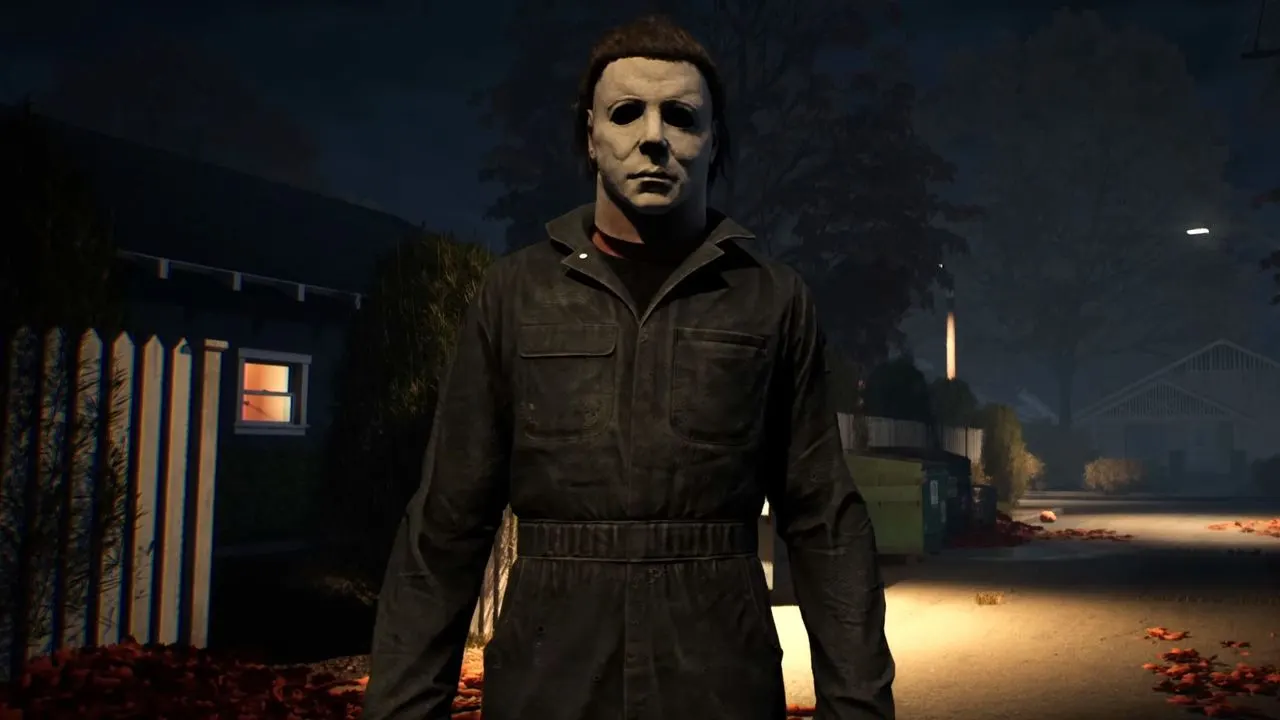
Halloween: The Game, an asymmetrical multiplayer horror title based on the slasher film franchise and developed by Illfonic, briefly featured a closet minigame letting two players simulate sexual activity in exchange for in-game buffs. The mechanic was quietly stripped out via a hotfix days into early access, with the removal going unmentioned in the official patch notes, leaving players to piece together what had happened and why.
Illfonic has offered no official explanation, but players and commentators have tied the removal to a safeguarding concern: killed characters can respawn as older figures, including police officers and Dr Loomis, who could then be matched in the minigame with younger characters such as Laurie Strode, depicted as 17 in this version of the story. The change proved unpopular with some early access players, who complained on Reddit and Steam that the feature — which also gave the character Lynda special in-game benefits — was cut without warning or acknowledgement, and the story died down without the developer ever commenting further.
- Sources
- 3
- Outlets
- 3
- Left · Centre · Right
- 0 · 0 · 0
In short
- Halloween: The Game quietly removed a sex minigame via hotfix
- Likely tied to concerns over pairing adult and underage characters
- Illfonic never officially explained the removal to players
How this story developed
- 2 months ago The game in question is Halloween: The Game, an asymmetrical PvP horror title based on the film franchise, developed by Illfonic.
- 2 months ago A PC Gamer report headlined around a Halloween-themed game apparently containing a sex minigame states that the content in question was seemingly removed, though further coverage added to the story has not resolved the ambiguity.
- 2 months ago Halloween: The Game, an asymmetrical multiplayer horror title based on the slasher film franchise and developed by Illfonic, briefly featured a closet minigame letting two players simulate sexual activity in exchange for in-game buffs.
- 2 months ago A PC Gamer article discusses an unspecified Halloween-themed game reportedly containing a sex minigame, which the piece then clarifies was seemingly removed before release or update.
Full account
A newly released asymmetrical horror title based on the Halloween film franchise, which sets the masked killer Michael Myers against a group of survivors, briefly contained a sexual encounter minigame that has since been stripped out via a patch. The feature, which let two characters' avatars pair up in an interactive sequence, was quietly removed within days of the game's launch after players began circulating footage of it online.
Reports indicate the minigame took place off-screen but required direct player input, with users needing to hold and guide a cursor or line within a moving zone using the mouse to complete the encounter successfully. A successful outcome reportedly granted the paired characters a temporary in-game boost, described in materials as a 'stronger together' effect, though its practical impact on gameplay was unclear even to those who tested it before removal.
The inclusion drew criticism chiefly because of how the feature paired characters: coverage highlighted that the system did not appear to account for the ages or backgrounds of the cast, allowing pairings between characters presented as teenagers and much older figures, including one modelled on a late actor associated with the original 1978 film. Commentators argued this made the mechanic especially ill-judged, distinguishing it from the nudity and gore long associated with slasher cinema and games inspired by it, which some argued at least sits within established genre conventions.
Coverage varies in scope and tone: one outlet's report was largely inaccessible beyond its headline and site navigation, offering little independent detail, while the fuller account—crediting the gaming site Kotaku with first flagging the removal—goes further, noting that heavy nudity remains in the game even after the patch, including the depiction of characters killed by Myers appearing unclothed. That report also frames the episode as reflecting poorly on the developers' handling of mature content, though it stops short of confirming whether further changes to nudity or sexual content are planned. Neither source names the game's developer or publisher directly, and details about official statements from the studio were not available at the time of writing.
Where outlets differ
From the full account, which is AI-written from the sources:
Source 1 (PC Gamer) yielded only its headline and website boilerplate, with no substantive article text available to draw on.
Source 2 provided the bulk of verifiable detail, including how the minigame worked mechanically, the problematic age pairings, the credit to Kotaku for first reporting the removal, and confirmation that nudity remains in the game post-patch.
Only Source 2 specifies that the removal happened via a 'weekend patch'/hotfix and explicitly ties the fix to the age-mismatch controversy rather than general backlash.
Steelman: both sides, in good faith
The strongest fair case each way — we don't pick a winner.
The case for
The feature involved only consenting adult players engaging with fictional characters, and removing it silently without explanation damaged player trust far more than transparent discussion would have. In a mature-rated game, adults should have agency to engage with adult content if properly warned, and the mechanical value of the feature was lost without acknowledgement to players who had purchased early access.
The case against
Depicting sexual activity between characters where one is canonically a 17-year-old, even between fictional figures played by adults, crosses important safeguarding boundaries that modern gaming increasingly observes. Swift removal protected the game from normalising age-gap sexual content, and whilst silence was frustrating, explicit justification might have amplified controversy or appeared to invite debate on a non-negotiable safety standard.
Explained simply
Cheating scandals aside, this story is about a recurring flashpoint in gaming: content that briefly appears in a game and then vanishes before or shortly after release, prompting speculation about why. Explicit or suggestive content in games is often subject to platform rules, ratings board requirements or publisher decisions, and changes made late in development can leave traces that players and journalists later spot and question.
PC Gamer is a long-running games industry publication that covers releases, updates and controversies across the PC gaming world, and this piece falls into that beat. The "key players" in stories like this are typically the game's developer or publisher, the platform it is sold on (such as Steam), and the players or dataminers who first notice the discrepancy between what was apparently planned and what actually shipped.
Stories of this kind matter because they touch on broader debates about creative control, censorship, platform policy and transparency with players, even when the specific details of any one case remain unclear or unconfirmed. They also tend to spread quickly online, since screenshots, files or code left over from earlier versions of a game can circulate long after content has been removed.