Entertainment news and discussion on TalkFuse.
The hated guitarist Henry Rollins will always love: “As good as anyone”
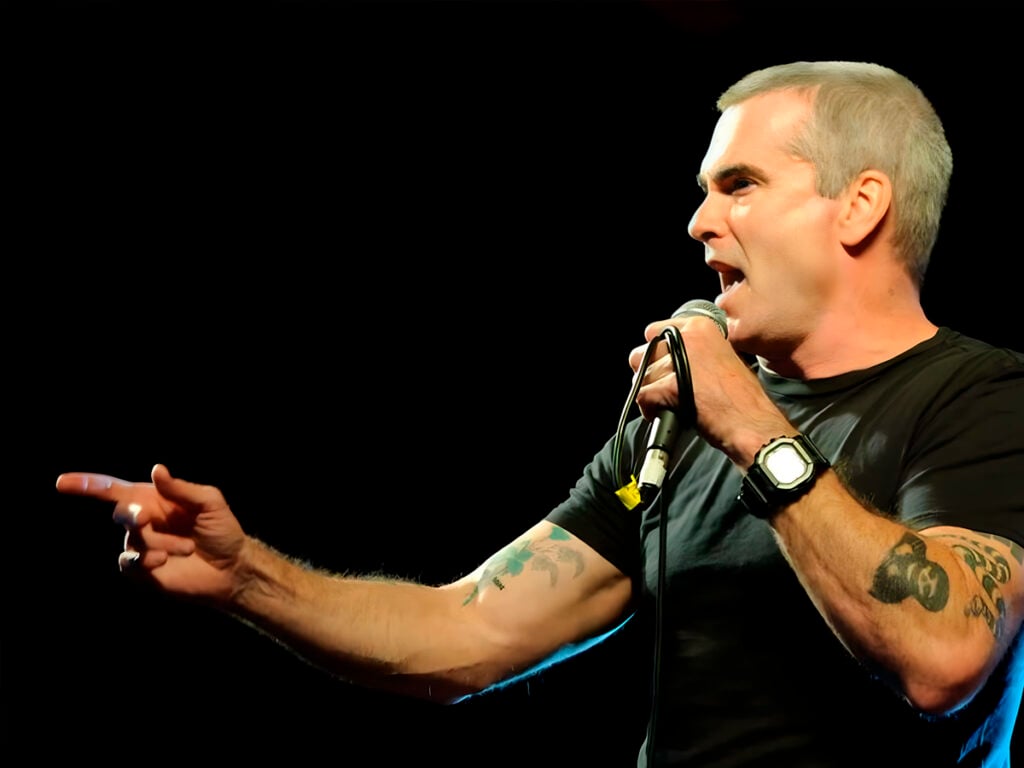
Henry Rollins brings considerable nuance to his assessment of Ted Nugent, a musician whose technical skill he regards as comparable to Michigan's greatest guitarists, yet whose personal behaviour—particularly involving hunting and relationships with underage women—he finds troubling. Despite vocal disagreements with Nugent's public statements and conduct, Rollins refuses to let these conflicts diminish his recognition of the guitarist's considerable musical achievements, describing his Nugent collection as guilty pleasures he can passionately defend on any technical basis.
The article explores Rollins' willingness to separate artistic evaluation from moral judgment, a position that acknowledges serious ethical concerns whilst maintaining intellectual honesty about musical merit. His stance reflects a broader tension in how audiences engage with artists whose work they admire but whose personal conduct they cannot endorse, suggesting that meaningful critique requires holding both truths simultaneously rather than abandoning one for the other.
In short
- Henry Rollins praises Ted Nugent's guitar playing as exceptional despite grave reservations about Nugent's personal conduct and controversial history
- Nugent faces ongoing criticism for hunting practices and for becoming legal guardian of an underage girl to enable a relationship
- Rollins compartmentalises artistic merit from personal disagreement, treating Nugent's records as 'guilty pleasures' he can defend on musical grounds alone
Steelman: both sides, in good faith
The strongest fair case each way — we don't pick a winner.
The case for
Art and artist can be meaningfully evaluated separately; a musician's technical brilliance and creative achievements exist as genuine accomplishments independent of personal failings. Acknowledging serious ethical concerns whilst recognising authentic artistic merit is not hypocrisy but intellectual honesty, allowing for nuanced judgment that doesn't require abandoning one truth for another. This approach preserves access to meaningful work whilst maintaining clear moral positions about the person behind it.
The case against
Supporting an artist's work—through consumption, revenue, and cultural platform—provides material resources and legitimacy that enable continued harmful behaviour. The personal conduct of artists carries real consequences for victims, and treating technical skill as separable from moral failings risks normalising or minimising genuine harm. Consistency requires that we not celebrate those whose actions have caused serious damage, regardless of their musical abilities.
Explained simply
Henry Rollins is a musician and cultural commentator who has maintained a prominent public presence for decades, whilst Ted Nugent is an American rock guitarist known for both his music and outspoken views. This story concerns Rollins' position on Nugent: he recognises Nugent's considerable technical skill as a guitarist, but objects to aspects of his personal behaviour and public statements.
Nugent's conduct, in Rollins' assessment, includes problematic hunting practices and relationships with underage women. Despite finding these matters troubling, Rollins refuses to let them diminish his recognition of Nugent's considerable musical achievement, describing his appreciation of Nugent's work as technically defensible.
The article raises a broader question about how audiences should evaluate artists. It examines whether it is possible to admire someone's artistic work whilst condemning their personal conduct—and whether doing so requires maintaining two truths simultaneously. Rollins' stance reflects a wider tension many people face: acknowledging artistic merit whilst rejecting personal behaviour they find unacceptable.