The key issues facing Andy Burnham when parliament returns next week
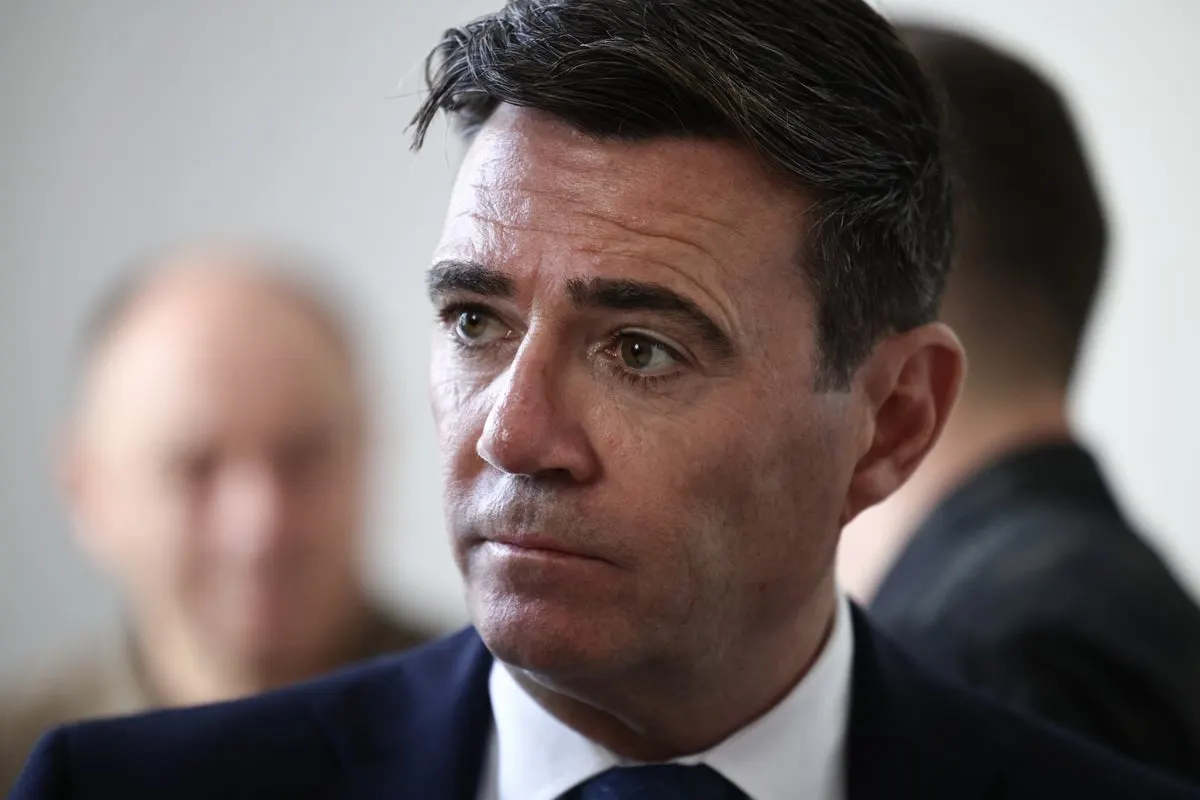
Andy Burnham returns to parliament next week as prime minister with improved Labour polling, but faces an immediate test as his government moves from its early honeymoon period into difficult policy decisions. His first Prime Minister’s Questions against Conservative leader Kemi Badenoch, alongside pressures over the Budget, welfare, living costs and prisons, will help define the new administration’s direction.
Chancellor John Healey’s 28 October Budget must meet existing fiscal rules and Labour’s pledges not to raise income tax, national insurance or VAT, despite calls from some MPs for higher taxes on wealth, capital gains or companies. Reviews of Personal Independence Payment and youth unemployment could prompt contentious welfare changes, while energy bills are due to rise 4% in October and potentially 9% in January; meanwhile, about 5,000 prisoners are planned for early release from October, though exclusions reduce that figure by 1,000.
- Burnham faces early tests on the economy, welfare and public services.
- The October Budget will reveal the government’s fiscal approach.
- Rising bills and prison overcrowding add immediate pressure.
New here? Start with this
Andy Burnham is the Labour prime minister, leading a government elected with promises on taxes and public services. In the UK, the chancellor sets out the government’s tax and spending plans in the Budget, while MPs question the prime minister in a weekly session known as Prime Minister’s Questions.
The government must decide how to fund its plans while keeping within rules on borrowing and honouring its tax pledges. Choices about welfare support, household costs and prison policy affect people’s incomes and public services, and can shape how voters judge the government.
Both sides, in good faith
The strongest fair case each way — we don't pick a winner.
The case for
Supporters could argue that the government needs to keep its tax pledges and fiscal rules to provide stability, protect confidence and fund public services within sustainable limits. They may also see welfare reviews and planned prisoner releases as necessary ways to improve support into work and ease pressure on overcrowded prisons, while targeting help as living costs rise.
The case against
Critics could argue that strict fiscal limits and tax pledges may leave too little room to address strained public services and rising household bills, and that asking wealthier people or companies to contribute more deserves serious consideration. They may also worry that welfare changes could reduce support for disabled people or young jobseekers, and that early prisoner releases could raise public safety concerns if rehabilitation and supervision are inadequate.