Business news and discussion on TalkFuse.
Philip Ball’s biography captures Niels Bohr’s science and influence
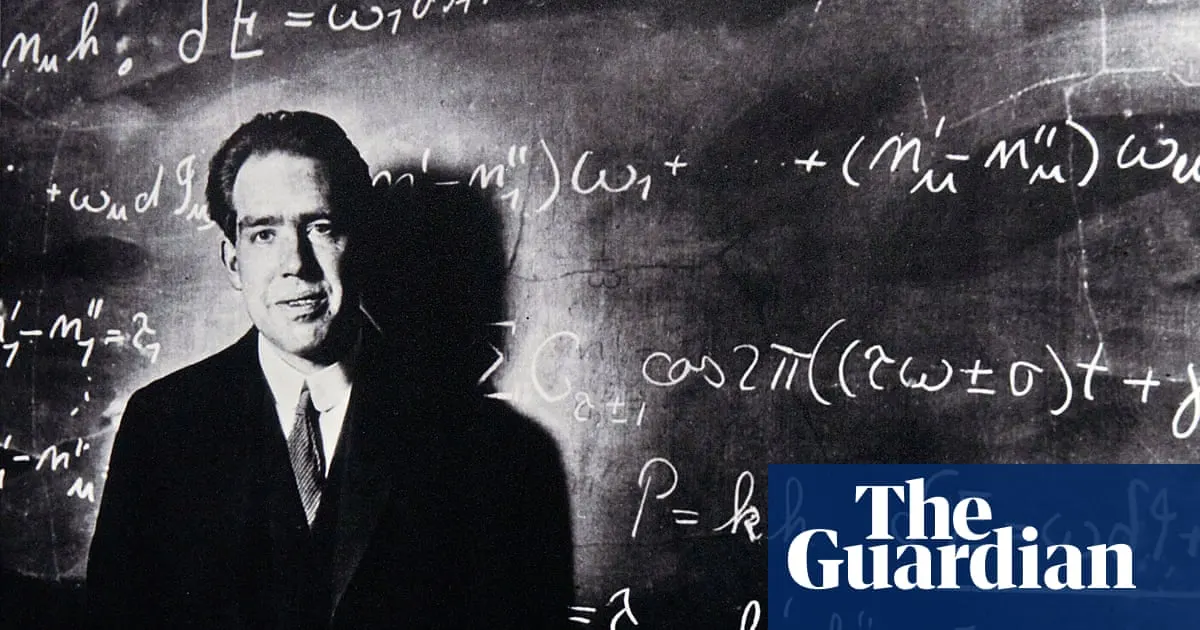
Philip Ball’s biography presents Niels Bohr as a passionate, charismatic physicist whose 1913 model of the atom helped launch quantum mechanics. The review praises Ball’s ability to explain the science clearly while showing how Bohr’s enthusiasm and generosity drew generations of researchers to Copenhagen.
The book also examines the debates and political dilemmas surrounding Bohr’s work. His institute, supported by the Carlsberg Foundation, housed researchers alongside its laboratories, and his contests with Einstein at the Solvay Congresses are portrayed as landmark exchanges. Ball discusses Bohr’s concerns about nuclear weapons, including his proposal to Winston Churchill to share atomic secrets with the Soviet Union, and his wary 1941 meeting with Werner Heisenberg.
In short
- Philip Ball’s biography makes Bohr’s scientific legacy accessible.
- Bohr’s Copenhagen institute attracted leading young physicists.
- The book explores his disputes and concerns over nuclear weapons.
Explained simply
Niels Bohr was a Danish physicist whose work helped shape the modern understanding of atoms. His 1913 model proposed that electrons occupy particular energy levels, and later developments in this field became known as quantum mechanics.
Bohr led a research institute in Copenhagen, where scientists from several countries worked and lived alongside one another. His exchanges with Albert Einstein about how to understand quantum physics became influential debates in the history of science.
Bohr’s scientific work also unfolded amid political upheaval and the development of nuclear weapons. His dealings with Winston Churchill and German physicist Werner Heisenberg reflected the difficult choices scientists faced as governments sought atomic knowledge during the Second World War.
Read the full article at the source →
Originally published by The Guardian as “The Man Who Broke Reality by Philip Ball review – the inspirational genius of Niels Bohr”.