The man who only sold 1,000,000 records, yet Bob Dylan, Paul McCartney and John Lennon once agreed was “the greatest ever”
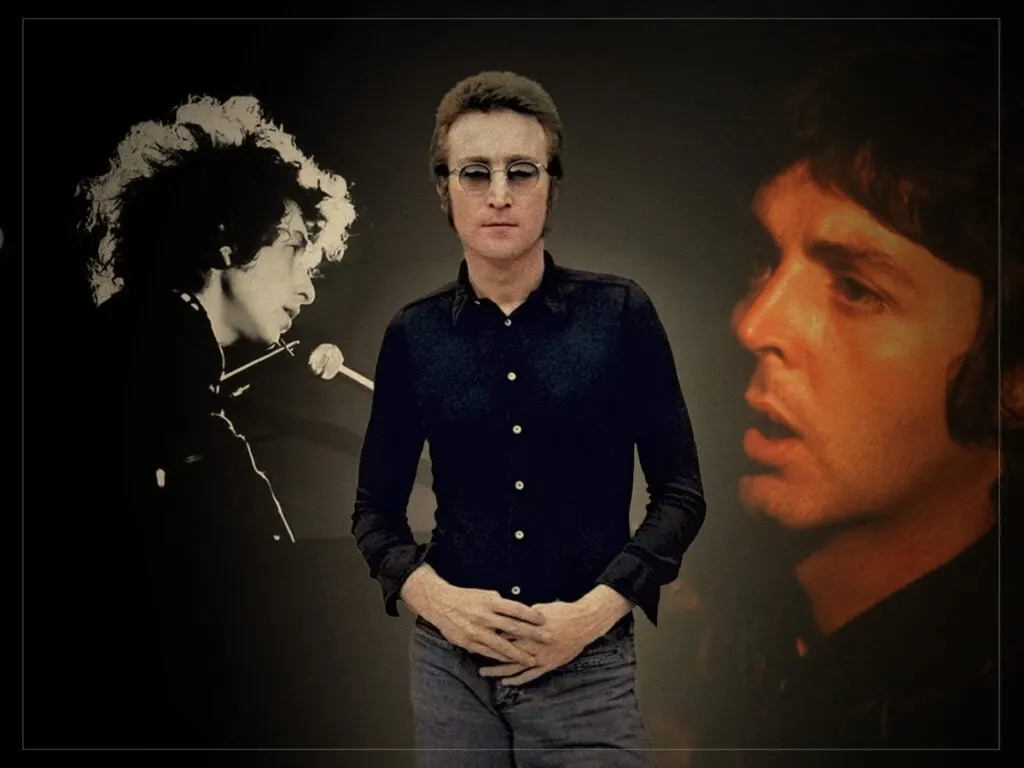
In 1968, Tiny Tim became a cult sensation by bringing early 20th-century songs to a new audience through his unusual voice and ukulele performances. John Lennon called him “the greatest ever”, while Paul McCartney and Bob Dylan also praised his talent and deep knowledge of old music.
His cover of the 1929 song “Tiptoe Through the Tulips” reached number 17 in the charts, and his debut album, *God Bless Tiny Tim*, drew comparisons with *Sgt. Pepper’s Lonely Hearts Club Band*. Dylan later described Tiny Tim as a national treasure, saying he had studied and lived the music that survived only as sheet music. The article presents his work as a serious effort to honour musical history, despite many people initially seeing him as a joke.
- Tiny Tim revived old songs with an unmistakable style.
- Lennon, McCartney and Dylan praised his musical ability.
- His “Tiptoe Through the Tulips” cover reached number 17.
New here? Start with this
Tiny Tim was an American entertainer who became a cult sensation in 1968 by reviving songs from the early 20th century, performing them with an unusual falsetto voice and the ukulele. His cover of the 1929 song "Tiptoe Through the Tulips" reached number 17 in the charts, and his debut album was compared to The Beatles' Sgt. Pepper's Lonely Hearts Club Band.
Despite his unconventional presentation, Tiny Tim was seriously engaged with musical history. John Lennon called him "the greatest ever", whilst Paul McCartney and Bob Dylan also praised his talent and deep knowledge of early 20th-century music. Dylan described him as a national treasure who had studied and lived the old songs that existed only as sheet music.
Tiny Tim's record sales remained modest at around one million. Yet he earned the highest regard amongst some of the most influential musicians of the era, who respected his commitment to preserving forgotten musical traditions.
Both sides, in good faith
The strongest fair case each way — we don't pick a winner.
The case for
Tiny Tim possessed genuine, deep knowledge of early 20th-century music and studied it seriously, bringing historically significant songs to audiences who might never have encountered them otherwise. His praise from major musicians reflected authentic respect for his scholarship and commitment to musical preservation rather than novelty appreciation, and his unusual presentation was an integral part of his artistic vision.
The case against
Despite being called 'the greatest ever,' Tiny Tim's commercial success remained limited at 1 million records, suggesting his appeal was primarily novelty-based rather than reflecting true musical greatness. The stark contrast between elite critical praise and mainstream perception of him as a joke, combined with his breakthrough success on novelty songs rather than deeper musical scholarship, indicates his work was valued more as entertainment than serious artistry.