The ‘Manosphere’ Isn’t a Movement. It’s a Multibillion-Dollar Grievance Industry
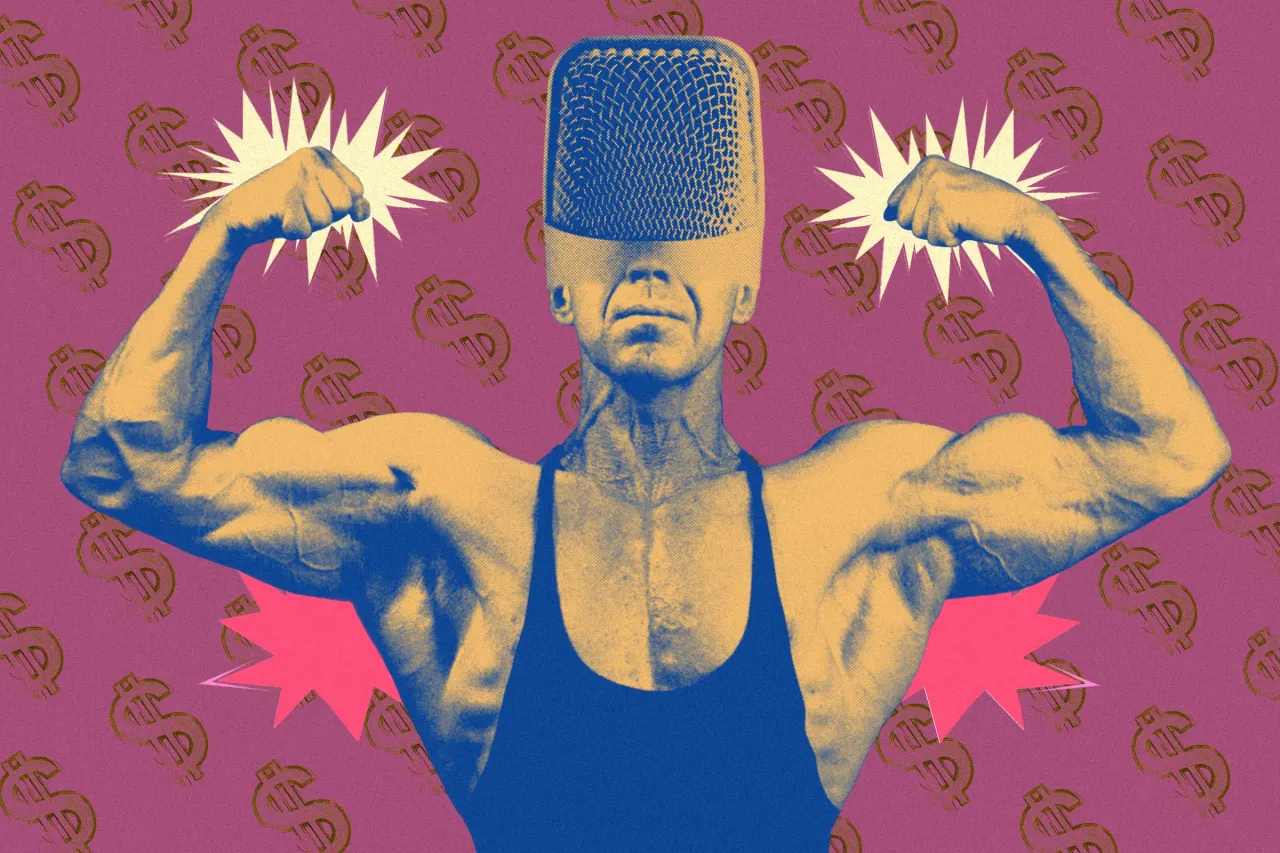
A new report argues that the online “manosphere” should be understood less as an organic political movement than as a lucrative grievance industry. It says young men seeking dating, fitness or financial advice are drawn through algorithms into communities that turn genuine anxieties into resentment towards women, immigrants and other perceived enemies, before selling costly or dubious remedies.
The 153-page study by Reset Tech and Equimundo estimates this ecosystem is worth billions through subscriptions, coaching, supplements, cryptocurrency schemes and creator income. It estimates Andrew Tate’s $99-a-month Real World platform generates $184 million in annual gross revenue, while leading streamers may earn $30,000 to $50,000 per hour and prominent speakers more than $200,000 per appearance; Tate denies criminal allegations through his lawyer.
In short
- Report portrays the manosphere as a commercial grievance industry.
- Algorithms funnel vulnerable men towards paid, exploitative communities.
- Influencers can earn millions by monetising resentment.
Steelman: both sides, in good faith
The strongest fair case each way — we don't pick a winner.
The case for
The report identifies a pattern where genuine young men's anxieties—about dating, employment, status—are deliberately exploited through algorithmic systems that amplify grievance and cultivate resentment towards women, immigrants and other groups. The ecosystem then extracts billions by selling solutions (courses, supplements, memberships, coaching) that often prove ineffective or predatory. This isn't incidental profiteering on an organic movement; the business model itself depends on perpetuating and intensifying grievance rather than resolving it.
The case against
Whilst some actors clearly pursue commercial excess, reducing this to a pure 'grievance industry' overlooks genuine issues affecting young men and the authentic value many communities provide. Dating and employment struggles are real; fitness and financial advice can be genuinely helpful; male mentorship addresses real social needs. Many participants benefit meaningfully from community and practical guidance. Dismissing the entire ecosystem as manufactured grievance caricatures the diversity of voices and motivations within it.
Explained simply
The “manosphere” is a loose collection of online spaces and personalities focused on men’s lives, dating, fitness and money. It has no single leader or organisation, and its audiences range from people looking for practical advice to those drawn to more confrontational views about women and society.
The report’s authors say some creators turn personal worries about relationships or work into anger towards women, immigrants and other groups, then sell advice, memberships or products. Andrew Tate is among the best-known figures associated with this online world; his paid platform, The Real World, offers courses and community access.
The debate matters because these spaces can influence how young men understand relationships and social issues, while also generating income for their creators. The study estimates that subscriptions, coaching, supplements, cryptocurrency schemes and other sources bring in billions of dollars across the wider ecosystem.