Sport news and discussion on TalkFuse.
The Medicare-for-all trade-offs socialists aren’t talking about, according to experts
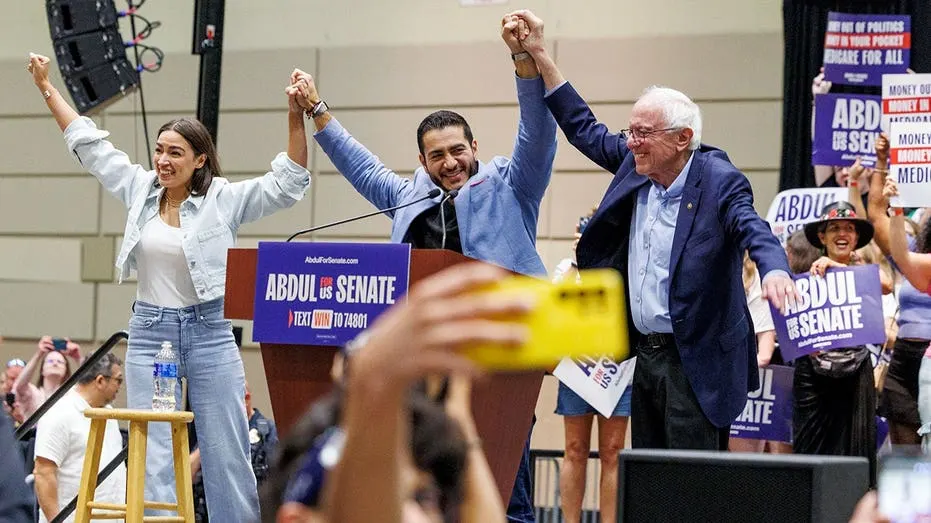
Michigan Democratic Senate candidate Abdul El-Sayed is among several socialist-aligned candidates centring their midterm campaigns on Medicare-for-all, a policy that promises universal healthcare but which experts say carries costs beyond the tax rises its advocates openly acknowledge. Fox News reports that even sympathetic proponents concede higher taxes would be needed to fund the scheme, while critics argue the wider trade-offs — such as reduced choice and potential strain on healthcare quality — are being downplayed as the policy becomes a rallying point for the Democratic Party's left flank ahead of the midterms.
Cato Institute health policy expert Michael Cannon argues that the Democrats' current Medicare-for-all proposals are more radical than the systems in place in Canada or parts of Europe, and warns that costs would rise sharply under the plans as they stand. Cannon also faulted Republicans, saying GOP policies have likewise contributed to driving up healthcare costs and limiting patient choice, suggesting the criticism of unaddressed trade-offs is not confined to one side of the debate.
In short
- Socialist candidates push Medicare-for-all as a 2026 midterm campaign issue
- El-Sayed admits taxes would rise; other costs go unmentioned, experts say
- Cato's Michael Cannon calls Democrats' plan more radical than Canadian, European models
Steelman: both sides, in good faith
The strongest fair case each way — we don't pick a winner.
The case for
Advocates of Medicare-for-all argue that universal healthcare is a moral imperative that other wealthy democracies have successfully achieved, eliminating medical bankruptcies whilst delivering comparable or superior health outcomes at lower per-capita cost. They contend that trade-offs like potential waiting times are acceptable when weighed against the reality that millions currently lack adequate care due to cost, and that competition in the current system often stifles efficiency rather than enhancing it.
The case against
Critics contend that whilst universal coverage is desirable, the proposed plans substantially understate their true fiscal and operational costs and would significantly expand government's role in healthcare delivery at the expense of consumer choice and market-driven innovation. They point to trade-offs present even in comparable international systems—such as longer wait times for non-emergency procedures—as evidence that the transition to such a centralised model carries real risks to care quality and access that deserve acknowledgement.
Explained simply
Medicare-for-all is a proposal to provide health coverage to everyone through a government-run insurance programme. The name refers to Medicare, the existing US public health insurance scheme mainly for people aged 65 and over, though proposals vary in how they would expand it.
Supporters say a universal scheme could make it easier for people to get care and reduce reliance on private insurance. Paying for it would require public funding, and proposals differ over taxes, benefits and the role of private insurers.
The debate involves politicians, patients, insurers, healthcare providers and policy experts. It matters because changes to the system could affect how much people pay, which care they can access and how they choose their doctors.
Cricket Government Politics Sport World