The Morning Poll: Do you think Russia influenced the Brexit vote?
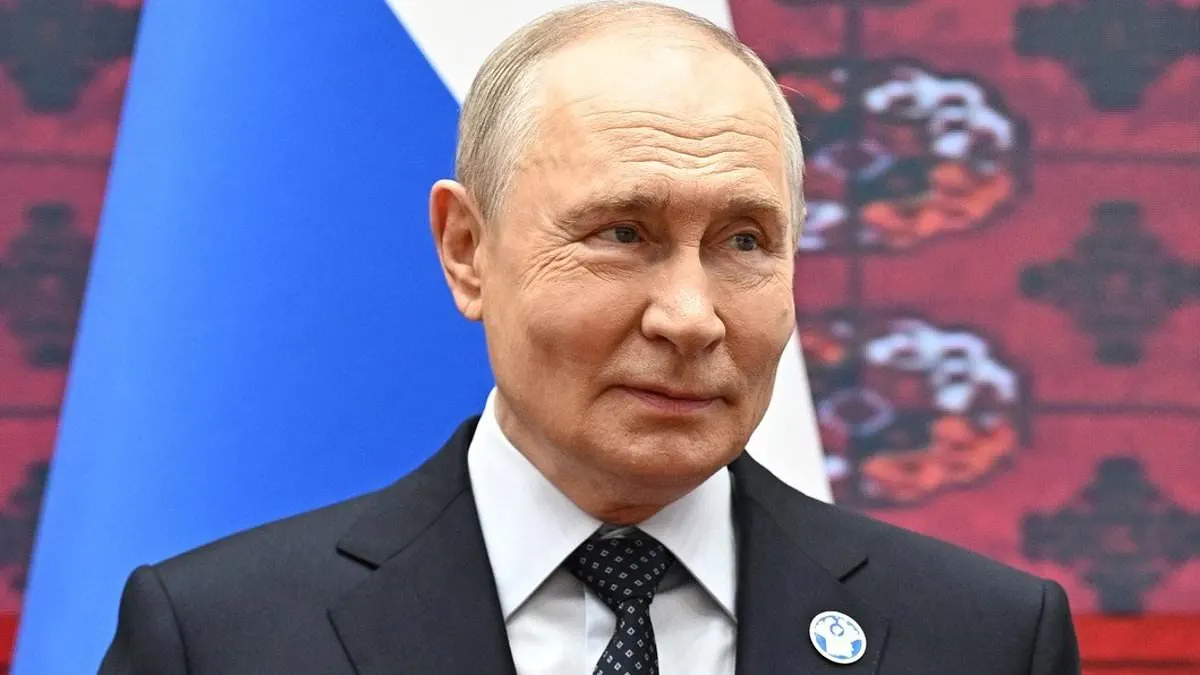
Andy Burnham said he was told on entering Downing Street that Vladimir Putin had meddled in the 2016 EU referendum. The claim prompted a political dispute over whether Russia influenced the Brexit vote, with Boris Johnson accusing Burnham of lying and No 10 later retreating from the Prime Minister’s claim.
The article provides no evidence or figures establishing that Russia affected the result. It reports that Burnham described the information as clear, while the government’s subsequent backtracking and Johnson’s criticism put the focus on the competing political claims.
- Burnham says he was told Russia meddled in the 2016 referendum.
- Boris Johnson accused him of lying.
- No 10 later backtracked on the Prime Minister’s claim.
New here? Start with this
The 2016 Brexit referendum was the vote in which British people decided whether the United Kingdom should leave the European Union. It remains one of the most significant recent decisions in British politics, but allegations have now surfaced that foreign powers may have sought to influence the outcome.
Andy Burnham, a senior Labour politician, claimed he was told on entering Downing Street that the Russian government had meddled in the referendum. The claim has prompted a political dispute, with Boris Johnson denying the allegation and accusing Burnham of lying, before the government subsequently shifted position.
Allegations of foreign interference in democratic votes are taken seriously by governments and international observers. The claim matters because the Brexit referendum fundamentally altered Britain's relationship with Europe, although no public evidence has emerged showing that Russian interference affected the outcome.
Both sides, in good faith
The strongest fair case each way — we don't pick a winner.
The case for
Russia has a documented pattern of election interference across Western democracies and clear strategic incentives to exploit Brexit as a means of weakening Western cohesion. Russian-linked social media campaigns were demonstrably active during the referendum period, and serious intelligence concerns about Russian interference warrant investigation and attention rather than dismissal.
The case against
Without specific evidence that Russian interference materially affected the referendum outcome, attributing Britain's democratic decision to foreign meddling risks delegitimising the genuine concerns and agency of millions of British voters. Promoting unsubstantiated claims, as the government's own retreat showed, corrodes public trust in institutions and distracts from addressing the legitimate political divisions within British society that shaped the result.