Freddie Foreman’s death revives debate over the romanticising of Kray-era violence
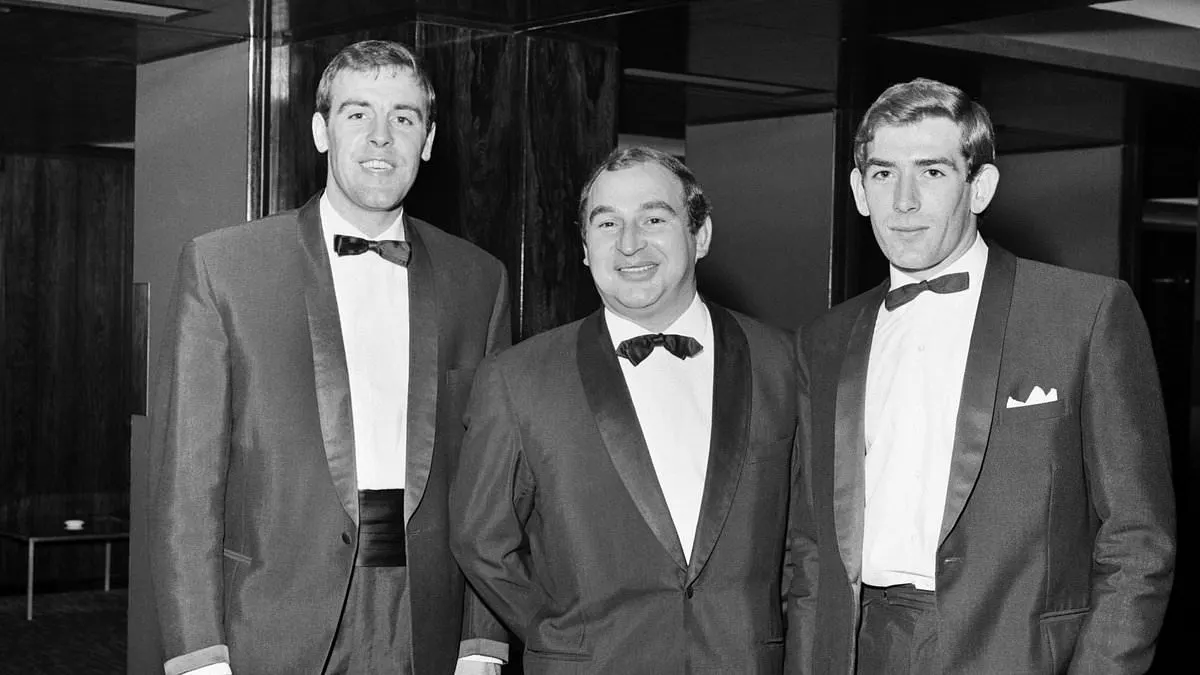
Freddie Foreman, a notorious gangster and hitman for the Kray Twins who died aged 94, was widely eulogised on social media as a "lovable rogue" and "legend," despite a documented history of extreme violence and serious crimes. The contrast between public veneration and his actual criminal record raises questions about why violent criminals from the Swinging Sixties are romanticised as colourful historical figures rather than remembered primarily for their brutality.
Foreman was known as "Brown Bread" Fred – Cockney rhyming slang for dead – a reference to the murders he claimed responsibility for. He was connected to the 1966 Christmas Eve killing of Frank "Mad Axeman" Mitchell, when he and an accomplice shot the escaped Dartmoor prisoner 15 times, and to the murder of Jack "the Hat" McVitie. Though he spent 16 years in 15 different jails and was acquitted of murder four times at the Old Bailey, Foreman cultivated a reformed image in television appearances and published a memoir titled Respect – The Managing Director of British Crime in the 1990s, which was launched at the Cafe Royal with celebrities in attendance.
- Kray Twins hitman Freddie Foreman died aged 94, eulogised online as a lovable rogue.
- Foreman was responsible for killings including Frank Mitchell and Jack McVitie in 1966.
- He cultivated a reformed image while remaining connected to the underworld.
New here? Start with this
Freddie Foreman was a gangster and hired killer who worked for the notorious Kray Twins during the 1960s, when London's criminal underworld became mythologised in popular culture. He was linked to brutal murders including the 1966 killing of Frank Mitchell and Jack "the Hat" McVitie, and earned the nickname "Brown Bread" Fred – Cockney rhyming slang for dead. Though he faced numerous murder charges and spent decades imprisoned, he later cultivated a reformed public image through television and a published memoir.
His recent death has sparked debate about how violent criminals from that era are remembered, as social media responses have celebrated him as a "legend" and "lovable rogue" despite his serious criminal record. The contrast between his public veneration and the brutality he was involved in has raised questions about why Kray-era gangsters are so often treated as romantic or colourful historical figures. This pattern of romanticising violent criminals from the 1960s has become a focus of renewed discussion.
The issue matters because it touches on fundamental questions about how societies remember their past, particularly violent crime. The way criminals are portrayed and remembered shapes public understanding of that era and can influence what aspects of history become celebrated or forgotten. The debate over figures like Foreman thus involves questions about historical accuracy, collective memory, and what values are reflected in how we choose to commemorate our past.
Both sides, in good faith
The strongest fair case each way — we don't pick a winner.
The case for
Those sympathetic to Foreman's legacy argue he deserves consideration as a complex historical figure who genuinely reformed in his later decades, demonstrating intelligence, charm and cultural contribution through his media appearances and memoir. They contend that context matters—he operated within a specific criminal underworld with its own codes, and reducing a person entirely to their worst acts denies their full humanity and the possibility of change. The fascination with such figures reflects legitimate historical and cultural interest in society's margins and a particular era.
The case against
Critics argue that romanticising a violent criminal fundamentally disrespects his victims, whose real suffering should not be minimised for nostalgia or entertainment. They contend that public veneration of someone responsible for brutal murders sends a dangerous message glorifying violence and potentially influences younger people toward criminal admiration. Later respectability cannot undo harm caused, and society bears a moral responsibility to remember victims clearly rather than allow violent criminals to be rebranded as charming historical figures.
Art Culture Geopolitics Politics World
Read the full article at the source →
Originally published by Daily Mail as “Why do people lionise Brown Bread Fred, the Kray crony who murdered their enemies with such relish?”.