Disabled woman loses money and sends intimate photos to online romance scammer
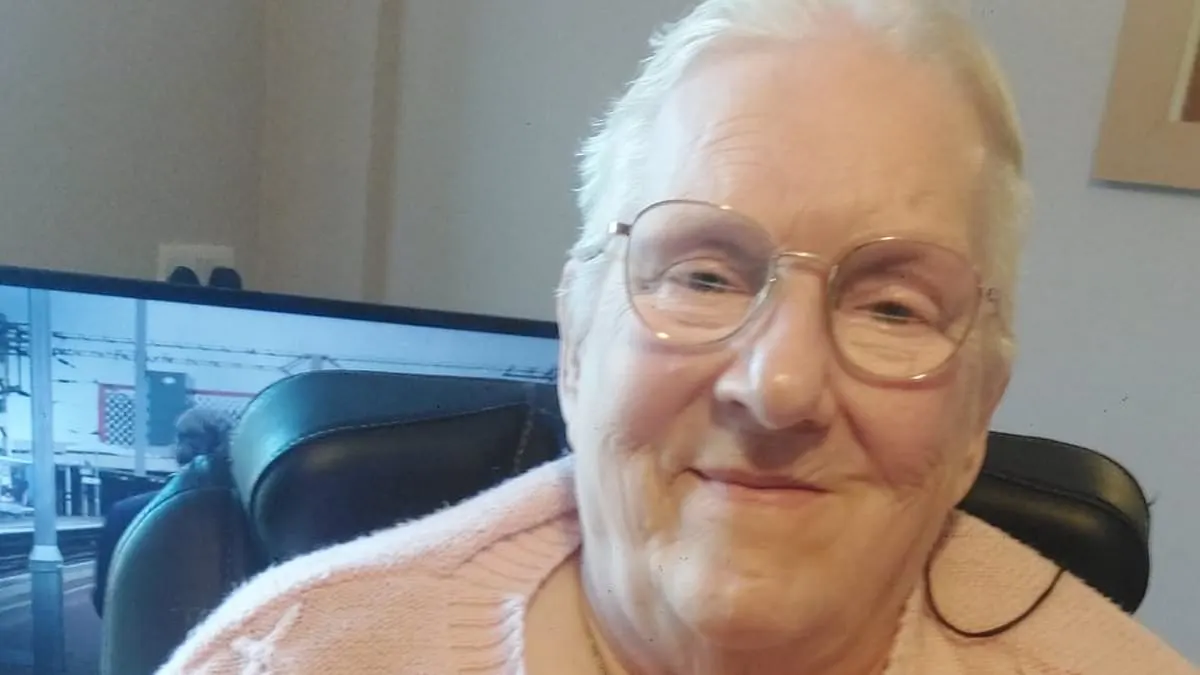
Helen Larn, a disabled woman who had been living alone, says she fell for a man calling himself Maxwell Johnson after he contacted her on Facebook and built a close online relationship. He claimed to be a US Air Force serviceman and repeatedly asked her for money, while also persuading her to send intimate photographs. The story shows how romance scammers can exploit loneliness and trust, with serious consequences for victims and their families.
Larn says she sent him at least £500, then more, to cover travel and other costs, despite relying on sickness benefits. When her daughter Chantelle raised concerns, the man allegedly told Larn that her daughter was jealous; research by Chantelle and her partner suggested his photograph belonged to someone else. The supplied article ends before explaining the later events referred to in its headline, so their details cannot be confirmed here.
- A man posing as a serviceman allegedly won Larn’s trust online.
- She sent money and intimate photos during the relationship.
- Her daughter suspected a scam and tried to warn her.
New here? Start with this
A romance scam is an online fraud where someone creates a fake identity to build trust with a victim before requesting money. In this case, someone claiming to be an American Air Force officer contacted Helen Larn through Facebook and developed what appeared to be a genuine romantic relationship. Over time, he repeatedly requested money whilst also asking her to send intimate photographs.
Larn, a disabled woman living alone, sent at least £500 from her disability benefits to cover various costs the scammer claimed to need. When her daughter Chantelle expressed concern about the relationship, the man allegedly told Larn that her daughter was jealous. Investigation by Chantelle and her partner later suggested the man's photographs were not authentic and belonged to someone else.
Romance scams are a widespread form of fraud that exploits loneliness and the desire for human connection, particularly targeting vulnerable people including those with disabilities or health challenges. Victims often lose significant sums of money from already limited incomes, and the experience causes substantial emotional harm through betrayal of trust.
Read the full article at the source →
Originally published by Daily Mail as “The most evil Nigerian love scam ever that ended with a disabled woman taking ‘horrifying’ selfies that will scar her daughter for life”.