The Mummy Officially Returns in 1 Year — Now With a New Cryptic Title
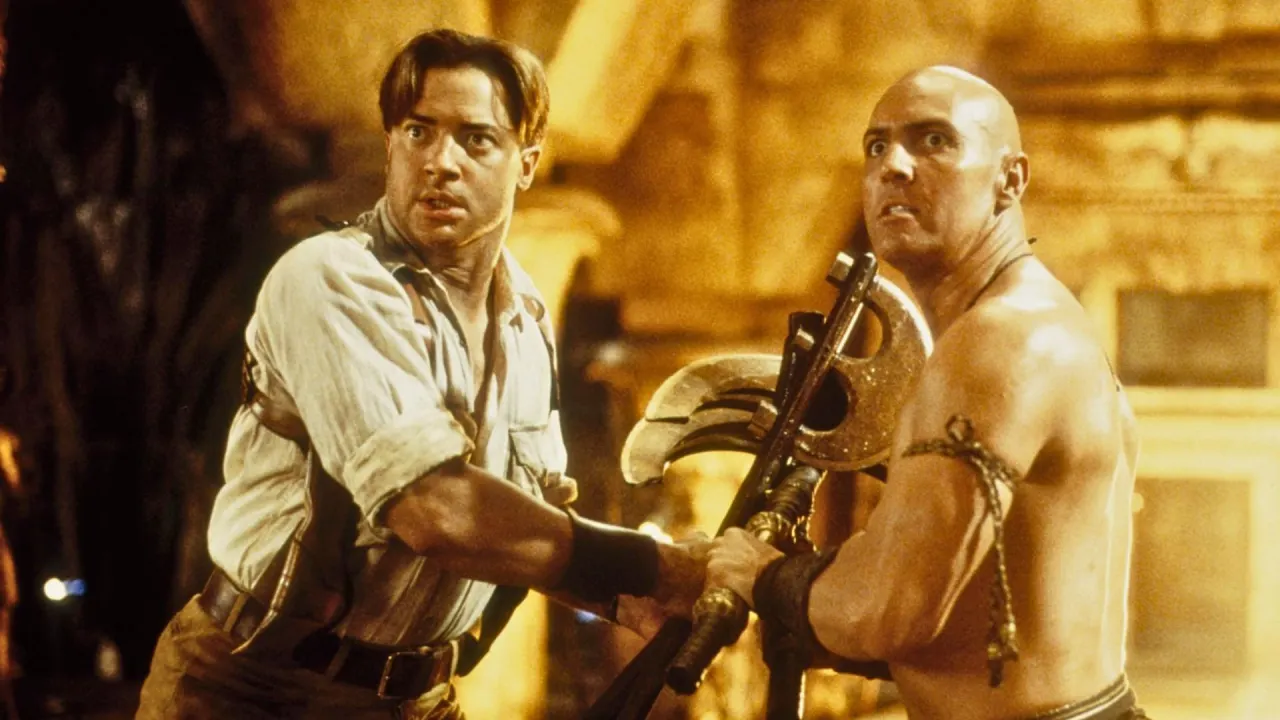
Universal Pictures has titled its new Mummy sequel The Mummy: Book of the Dead and set its cinema release for 15 October 2027. The film reunites Brendan Fraser and Rachel Weisz as Rick and Evie O’Connell, bringing back the original pairing after Weisz did not appear in the third film.
The subtitle points towards the Book of the Dead, which featured in the first two films’ attempts to resurrect Imhotep, but the new film’s plot has not been announced. Oded Fehr and Kevin J. O’Connor are also returning as Ardeth Bay and Beni; Arnold Vosloo, who played Imhotep, has not been officially confirmed, despite John Hannah saying earlier this year that Vosloo would return. Set photos suggest the story may take place in the late 1950s.
- The sequel is titled The Mummy: Book of the Dead.
- It is due in cinemas on 15 October 2027.
- Fraser and Weisz return, while the plot remains undisclosed.
New here? Start with this
The Mummy is a film series about adventurers Rick and Evie O’Connell, who encounter ancient Egyptian history, artefacts and supernatural threats. Brendan Fraser and Rachel Weisz played the couple in the first two films; Weisz was absent from the third.
The Book of the Dead is an ancient text in the films linked to attempts to bring the Egyptian priest Imhotep back to life. The new film’s story has not been announced, and it is not confirmed whether Arnold Vosloo, who played Imhotep, will return.
The returning cast also includes Oded Fehr as Ardeth Bay and Kevin J. O’Connor as Beni. Set photos suggest a late-1950s setting, which would place the story after the earlier films, though that timing has not been confirmed.