Tech leaders become cinema’s corporate villains as public opinion shifts
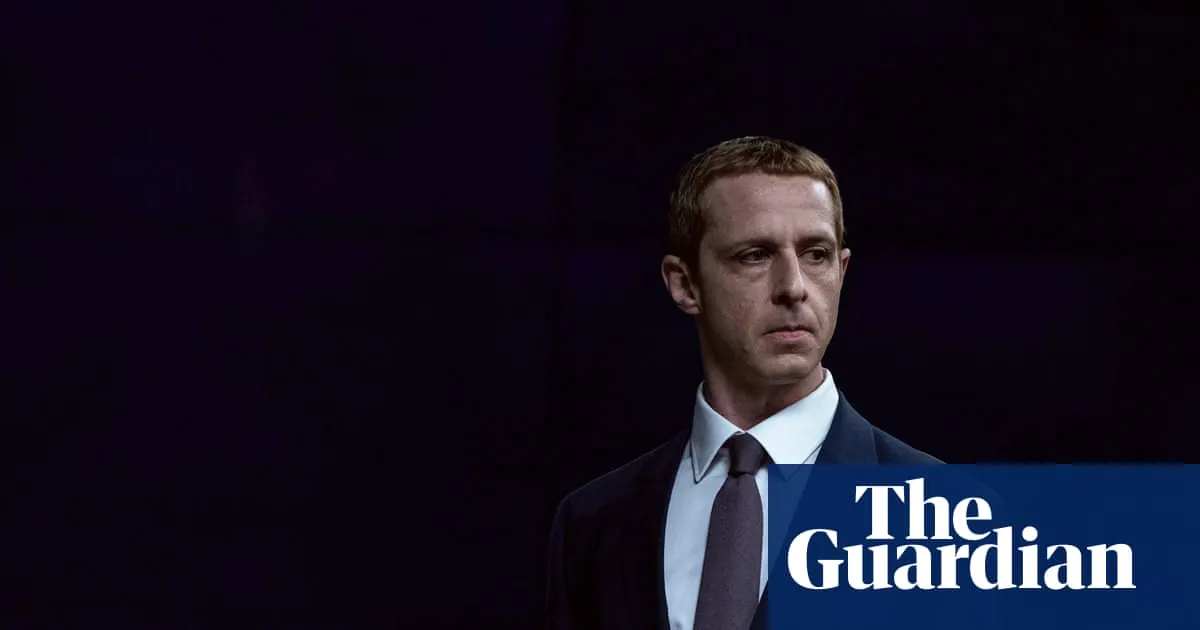
Tech executives, particularly Mark Zuckerberg, have transformed from sympathetic protagonists in cinema to corporate villains, as demonstrated in Jeremy Strong's performance in The Social Reckoning. This dramatic shift reflects genuine changes in public opinion sparked by scandals including the Cambridge Analytica data breach, Frances Haugen's 2021 whistleblower revelations, and the 2022 death of teenager Molly Russell, whose family linked her suicide to harmful Instagram content. Strong's portrayal deliberately distances itself from the more sympathetic version offered by Jesse Eisenberg a decade earlier, positioning tech leadership as morally compromised.
Strong's performance presents a deliberately emotionless, robotic Zuckerberg—described by critics as moving "like a Thunderbird puppet"—which resonates with former Meta employees including whistleblower Arturo Béjar, who described it as "accurate." The shift extends beyond Zuckerberg; Sam Altman receives an unflattering portrayal in the upcoming OpenAI drama Artificial, whilst Elon Musk appears in Alex Gibney's documentary Musk. These films collectively represent a turning point in how cinema depicts technology leaders, signalling broader regulatory and political backlash against the industry. Meta's reassurances about platform safety improvements meet with evident scepticism, reflecting a fundamental loss of public trust in tech leadership.
- Tech executives are now cast as film villains rather than sympathetic entrepreneurs.
- Public perception shifted after Cambridge Analytica, whistleblower leaks, and Molly Russell's death.
- Jeremy Strong portrays Zuckerberg as cold and emotionless, unlike earlier sympathetic versions.
New here? Start with this
Technology leaders including Mark Zuckerberg have experienced a striking shift in how they are portrayed in films and television. Where they were once depicted sympathetically, they now frequently appear as corporate villains. This change reflects a significant shift in public opinion towards the technology sector.
Several major scandals have severely damaged public trust in technology companies and their leaders. The Cambridge Analytica data breach, Frances Haugen's 2021 whistleblowing about Meta, and the 2022 death of teenager Molly Russell linked to Instagram algorithms all raised serious questions about the industry. These events fundamentally altered how the public views technology executives.
The entertainment industry now reflects this loss of trust through how it portrays tech executives. What was once celebrated as entrepreneurship and innovation is increasingly presented as self-interest and moral compromise. This cultural shift mirrors broader regulatory scrutiny and political pressure against the technology sector.
Both sides, in good faith
The strongest fair case each way — we don't pick a winner.
The case for
Tech companies have demonstrably caused substantial documented harm—the Cambridge Analytica breach, Molly Russell's death linked to Instagram algorithms, and internal knowledge of mental health damage—that justifies critical artistic scrutiny. Cinema serves an important function in examining power structures and holding institutions accountable, and portraying tech leaders with scepticism appropriately reflects the genuine wrongdoing revealed by whistleblowers and affected families. The shift from sympathetic to critical portrayal simply reflects the emergence of credible evidence of serious harms.
The case against
Whilst specific failings merit accountability, cinema's depiction of tech leaders increasingly risks caricature that obscures more than clarifies. Portraying Zuckerberg as emotionlessly robotic through theatrical devices serves dramatic effect but may distort rather than illuminate the genuine complexity of moderating platforms at global scale. Tech companies have delivered unprecedented benefits whilst grappling with authentically difficult ethical tradeoffs; fair criticism of particular failures needn't extend to wholesale villainy that dismisses their achievements and prevents productive dialogue about balancing innovation with safety.
Art Business Companies Culture Entertainment Film
Read the full article at the source →
Originally published by The Guardian as “The new Darth Vader: how tech execs became the film villains of our age”.