The new mega-dinghies that can bring hundreds of migrants at a time to Britain are earning the gangsters who run them millions
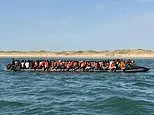
People-smuggling gangs may have earned almost £2 million in just three days this month, the Daily Mail reports, after switching to larger "mega-dinghies" capable of carrying hundreds of migrants across the Channel at once. Between 8 and 10 August, 911 migrants reached the UK in just ten crossings, including a record 230 people packed onto a single 49ft boat, seven feet longer than any previous vessel. The trend undermines the Government's pledge to "smash the gangs" and has drawn criticism that weak enforcement is turning the Channel crisis into a source of national embarrassment.
Gangs reportedly charge around £2,000 per migrant, meaning that record 72-hour period alone could have generated gross income of over £1.8 million, while a Chinese-made boat matching the one used was found for sale online for just £1,416.52, roughly £6 per passenger. Crews are often young men or teenagers who pilot boats in exchange for a free crossing. Taxpayers face an estimated cost of up to £450,000 per migrant over their lifetime, meaning the three-day period could ultimately cost around £410 million; more than 200,000 migrants have crossed since records began in 2018, with average boat numbers rising sharply from seven in the first 2018 crossing to over 62 last year, and new size records repeatedly broken through July and August this year.
- Gangs may have earned nearly £2m in three days using giant dinghies
- Record 230 migrants crammed onto one 49ft boat this month
- Taxpayer cost of that period estimated at around £410m
New here? Start with this
People who steal power once could always steal it again. But undermining a Government pledge undermines it repeatedly, so I'll write about that instead.
Migrants have been crossing the English Channel from northern France to England in small boats since 2018, usually organised by criminal smuggling networks based in Europe. These gangs charge people fleeing conflict, poverty or persecution for a place on the boats, and the crossings have grown steadily in scale each year, putting pressure on the UK's asylum system and border enforcement.
Successive UK governments have promised to reduce these crossings and to target the smuggling gangs behind them, including a pledge to "smash the gangs" through tougher enforcement and international cooperation. Despite this, the number of people arriving by boat has continued to rise, and the boats themselves have grown larger, allowing more migrants to cross in a single trip.
Both sides, in good faith
The strongest fair case each way — we don't pick a winner.
The case for
Those pressing for tougher enforcement argue that record-breaking mega-dinghies expose a policy failure with serious human and fiscal costs: overcrowded boats endanger lives, reward organised crime with millions in profit, and impose an estimated lifetime cost per migrant that taxpayers cannot indefinitely absorb. They believe the Government's 'smash the gangs' pledge must be matched with real deterrents, such as faster returns, offshore processing or tighter maritime interception, arguing that failing to act simply signals to smugglers and migrants alike that the route works, encouraging ever larger and more dangerous crossings.
The case against
Others argue that framing this primarily as a gang-profiteering or enforcement problem misses the underlying drivers of forced migration, and that no amount of policing dinghies will stop desperate people fleeing war, persecution or poverty while safe, legal routes remain scarce. They contend that smugglers only thrive because asylum seekers have few alternatives, so investment in processing capacity, humane resettlement schemes and international cooperation addresses the root cause more effectively than tougher rhetoric, and caution that framing migrants chiefly as a cost to taxpayers risks obscuring their vulnerability and legal right to seek asylum.