World news and discussion on TalkFuse.
The outages America has suffered weren’t an attack, but the next failure could be
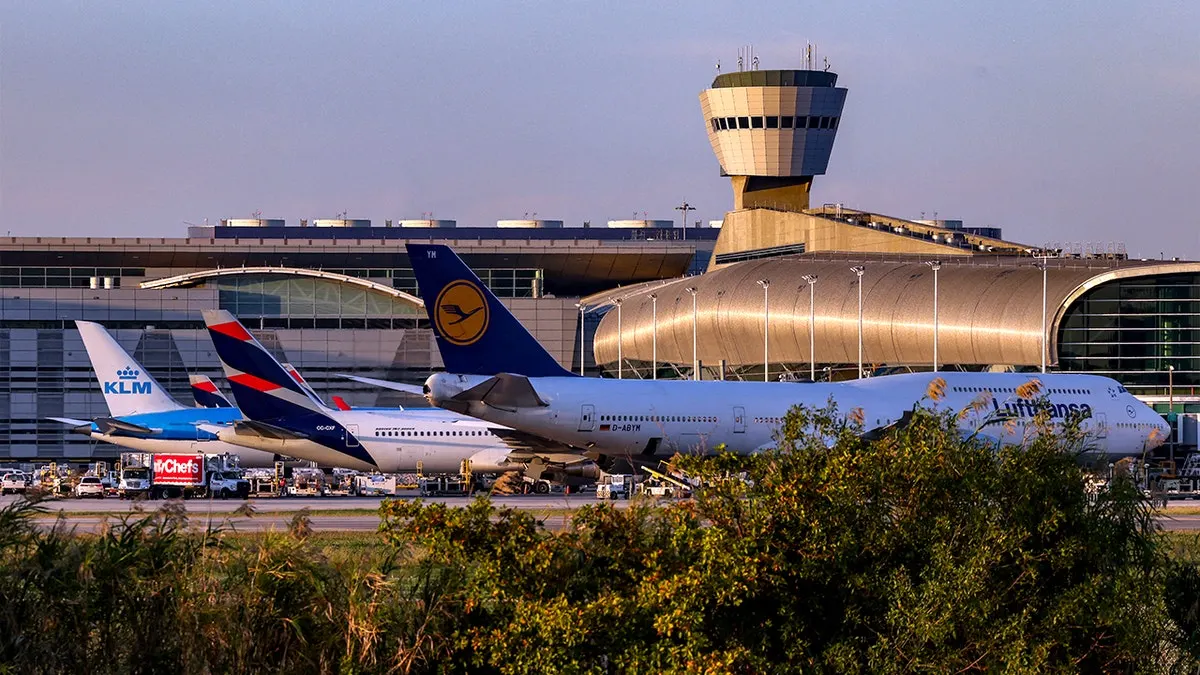
The article argues that a cluster of recent US technology outages appears to have resulted from unrelated technical failures, rather than a coordinated cyberattack. It says the incidents nevertheless reveal weaknesses in systems that depend on concentrated cloud services and updates that may not be adequately tested.
The reported disruptions affected Microsoft 365, air traffic control, banks and United Airlines, while reports also described problems with the NSA’s internal network. US officials said they were highly confident the incidents were unrelated. The article warns that hostile states may still probe infrastructure or prepare for disruption, citing alleged Chinese access to critical networks and describing other potential threats.
In short
- Recent US outages appear to be separate technical failures.
- The incidents exposed dependencies across key services.
- The article warns that hostile actors may exploit infrastructure weaknesses.
Steelman: both sides, in good faith
The strongest fair case each way — we don't pick a winner.
The case for
The outages show how failures in concentrated cloud services and poorly tested updates can spread across essential systems, disrupting travel, banking and communications even without an attacker. Requiring stronger testing, backup capacity and resilience could reduce the chance that one technical fault causes widespread harm, and help prepare infrastructure for deliberate disruption too.
The case against
The incidents were reported as unrelated technical failures, and officials said they were highly confident they did not result from a coordinated attack; treating them as evidence of a systemic security crisis risks overstating what the cases establish. Resilience measures and stricter update requirements can also impose costs and slow useful changes, so policy should be proportionate to demonstrated risks and avoid implying that ordinary outages prove hostile access.
Explained simply
Many organisations rely on cloud services: computing and storage provided over the internet by a small number of large technology firms. They also depend on software updates, which can affect many users if they contain a fault or are not tested adequately.
Air traffic control, banks, airlines and government agencies all depend on digital systems to keep services running. A failure in one system can disrupt people and organisations well beyond the company that runs it.
Technical faults and cyberattacks are different causes of disruption, though both can affect essential services. Governments and infrastructure operators must maintain systems that can withstand failures while also guarding against attempts by hostile groups or states to gain access.